Understanding Steel & Aluminum Grades for Metal Building Products
Steel & Aluminum Grades Explained: What a “Grade” Really Means
A grade defines a metal’s:
- Chemical composition
- Mechanical properties (yield strength, tensile strength, formability)
- Performance characteristics (corrosion resistance, weldability, ductility)
- Intended applications
Different grades are engineered for different results. For example:
- A structural steel grade supports heavy loads.
- A mild commercial grade bends easily for trims and flashings.
- An aluminum alloy with magnesium performs better near coastal environments.
Having the right grade ensures optimal performance and reduces long-term maintenance or replacement costs.
Common Steel Grades Used in Building Products
ASTM A653 — Galvanized Steel
Carbon steel coated with zinc for corrosion resistance.
Coating Weights: G40, G60, G90
Applications:
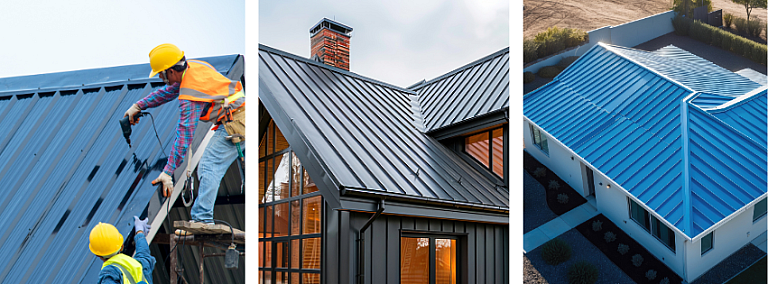
- Metal roofing
- Wall panels
- Trim and flashings
- Framing and studs
Why It’s Used:
Reliable corrosion protection at a cost-effective price point.
ASTM A792 — Galvalume® (Aluminum-Zinc Steel)
Coated in 55% aluminum, 43.4% zinc, 1.6% silicon.
Applications:
- Standing seam roofing
- Pre-painted metal roofing
- Agricultural structures
- Commercial building panels
Why It’s Used:
Provides 2–4x better corrosion resistance than galvanized.
Commercial Steel (CS-B)
Low-carbon, highly formable carbon steel.
Applications:
- Trim
- Light-gauge sheet metal
- Non-structural components
Structural Steel Grades (Grade 33, 37, 40, 50)
Higher strength carbon steel for load-bearing components.
Applications:
- Structural roofing
- Support framing
- Rigid building panels
High-Strength Low-Alloy Steel (HSLA 40/50/55/60/70)
Steel engineered for high strength-to-weight performance.
Applications:
- Long-span roofing
- Heavy-duty building panels
- Industrial construction
Common Aluminum Grades Used in Building Products
3003 Aluminum
Manganese alloy with excellent corrosion resistance.
Applications:
- Trim
- Flashings
- General sheet metal
3105 Aluminum
Similar to 3003 but stronger; excellent for painted products.
Applications:
- Painted roofing
- Soffit & fascia
- Rainware
5052 Aluminum
Premium magnesium alloy for top-tier corrosion resistance.
Applications:
- Coastal roofing
- Architectural panels
- Industrial enclosures
Key Differences Between Grades: What Buyers Should Know
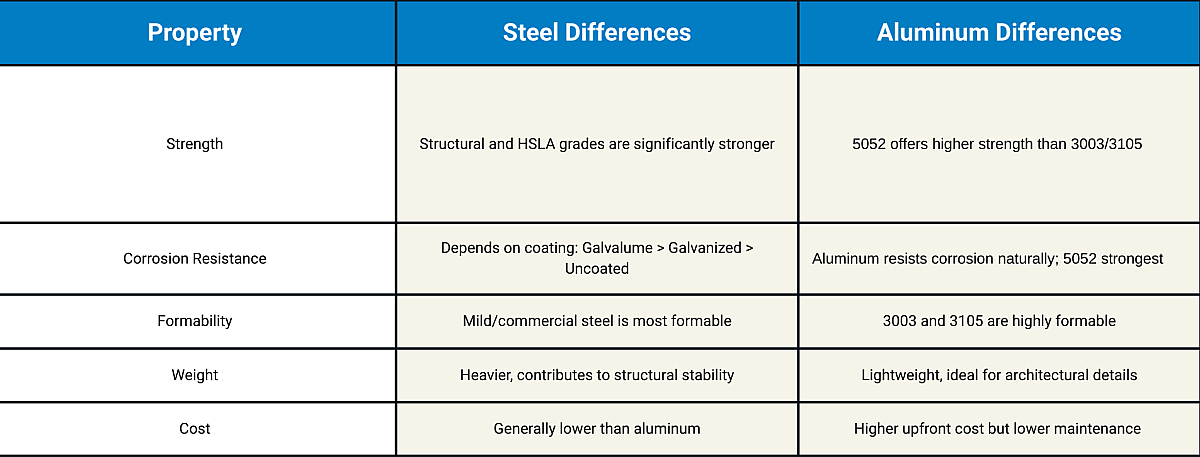
Other Important Buying Considerations
1. Coatings Matter as Much as Grade
Two coils of the same grade can perform very differently depending on their coating:
- Galvanized: Best for general duty; coating measured in G40/G60/G90
- Galvalume: Superior outdoor performance
- Pre-painted: Adds UV, color, and corrosion protection
Choosing the right substrate is essential for long-term performance.
Explore a variety of coil coatings and their features in our blog: (link to coil coating blog).
2. Gauge Selection Impacts Strength + Durability
Gauge influences both strength and appearance.
In roofing and wall panels:
- 29 gauge — economical, light duty
- 26 gauge — most common for residential and commercial roofing
- 24 gauge — premium architectural applications
Learn more about gauge in our blog: Which Steel Gauge Should You Chose for Metal Roofing and Siding?
3. Material Testing & Verification
Mill Steel offers in-house technical expertise and testing services through our metallurgical team:
Learn more:
Conclusion: Choosing the Right Grade Starts with Understanding Your Application
Selecting the proper steel or aluminum grade ensures durability, performance, and cost-effectiveness in metal roofing, building panels, and sheet metal components. Whether you’re producing architectural cladding, agricultural buildings, or commercial roofing systems, the right grade makes a measurable difference in long-term success.
Mill Steel provides the carbon steel and aluminum grades most trusted in the construction market—delivered with the technical support, consistency, and quality you can depend on.
Shop online, or contact us today to discuss your project needs.