Even minor corrosion can create sanitation concerns and increase inspection or maintenance requirements.
Blog
News filters list
Sep 14, 2026
Can 304 Stainless Steel Rust? What You Should Know
One of the most common questions engineers, manufacturers, and buyers ask is:
Can 304 stainless steel rust?
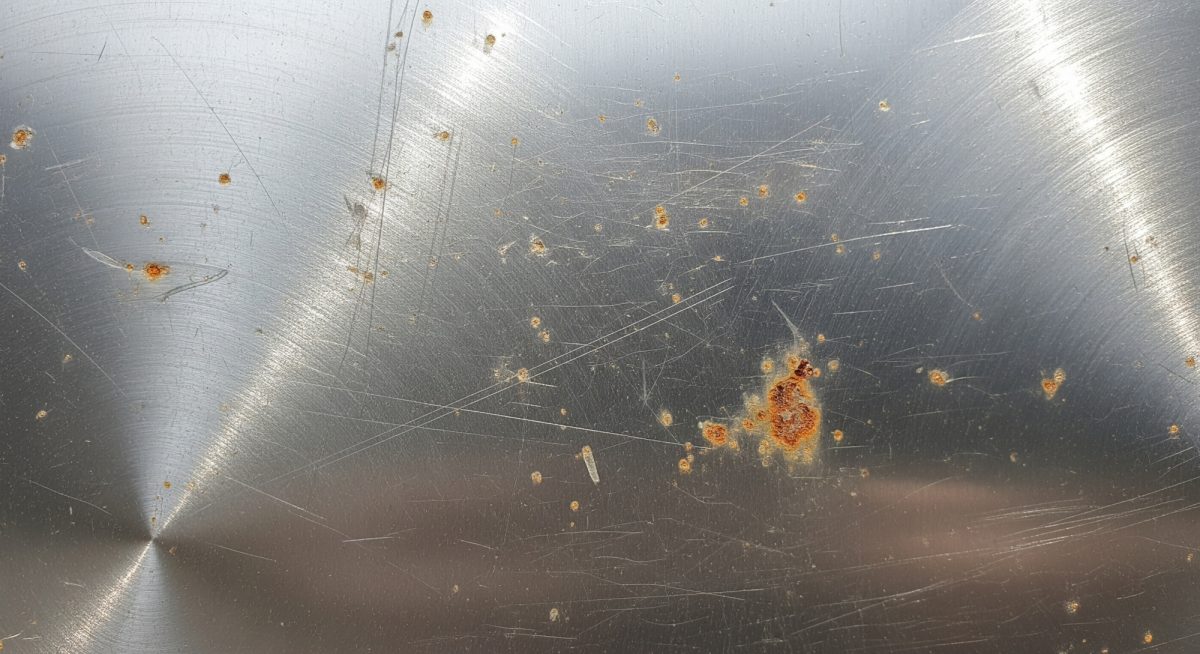
The short answer is yes—but only under certain conditions. Despite its reputation for corrosion resistance, 304 stainless steel is not completely rust-proof. It is highly resistant to rust and corrosion, but environmental exposure, contamination, and improper maintenance can eventually compromise its protective surface layer.
Understanding when and why 304 stainless steel can rust helps ensure proper material selection, better lifecycle performance, and lower maintenance costs.
Quick Answer: Can 304 Stainless Steel Rust?
Yes. 304 stainless steel can rust when exposed to chlorides, saltwater, industrial contaminants, fabrication-related contamination, or environments that prevent its protective chromium oxide layer from regenerating. However, under normal operating conditions, 304 stainless steel offers excellent corrosion resistance and significantly outperforms carbon steel in most environments.
Why Does 304 Stainless Steel Resist Rust?
304 stainless steel contains approximately:
- 18–20% chromium
- 8–10.5% nickel
These alloying elements allow the material to form a thin, invisible layer of chromium oxide on its surface. This passive layer protects the underlying metal from oxygen, moisture, and many corrosive substances. If damaged, the layer can often repair itself naturally when exposed to oxygen.
This is why 304 stainless steel is widely used in:
- Food processing equipment
- Medical and cleanroom environments
- Architectural applications
- Manufacturing equipment
- Commercial kitchens
304 Stainless Steel Rust Resistance at a Glance
| Environment | Rust Risk |
|---|---|
| Indoor Dry Environment | Very Low |
| Food Processing Facility | Low |
| Outdoor Inland Environment | Low |
| Architectural Applications | Low |
| High-Humidity Environment | Moderate |
| Coastal Environment | Moderate to High |
| Saltwater Exposure | High |
| Chemical Processing Environment | Moderate to High |
When Can 304 Stainless Steel Rust?
While 304 stainless steel offers excellent corrosion resistance, certain environments and conditions can weaken its protective oxide layer.
Chloride Exposure
Chlorides are one of the most common causes of corrosion in 304 stainless steel. Chlorides are found in:
- Saltwater
- Coastal air
- Road salt
- Certain food products
- Cleaning chemicals
Over time, chlorides can break down the passive layer and cause localized corrosion such as pitting and crevice corrosion.
Fabrication Contamination
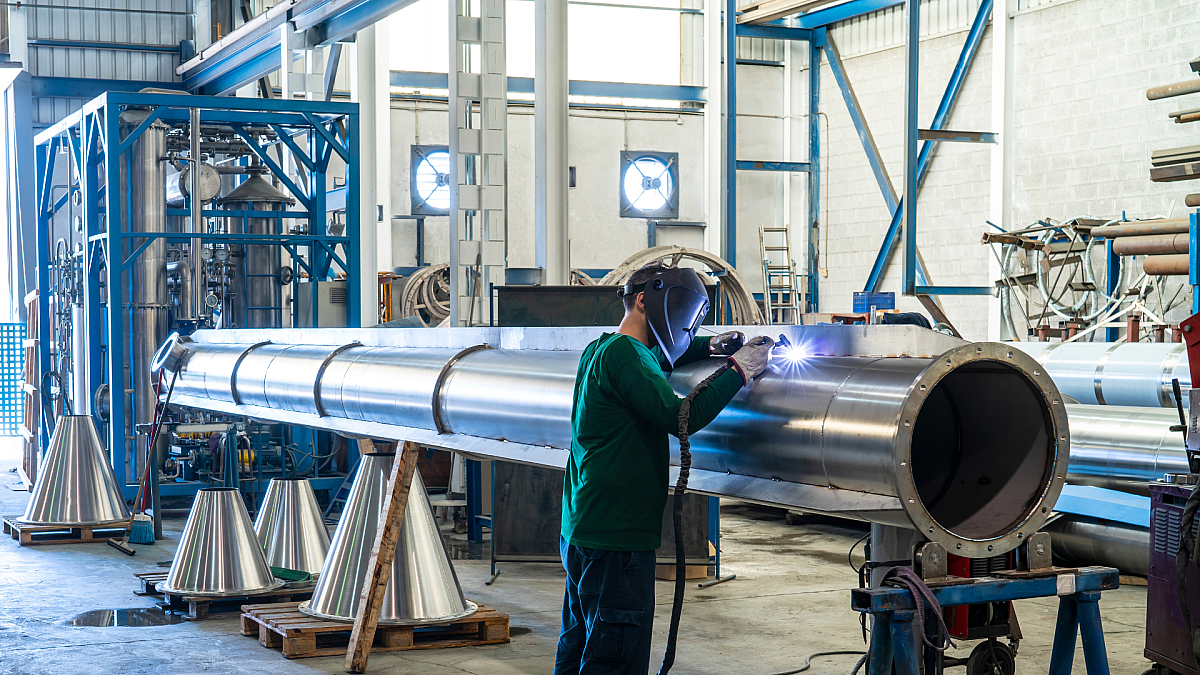
One of the most overlooked causes of rust is contamination during manufacturing and fabrication.
Common sources include:
- Carbon steel grinding dust
- Shared fabrication tools
- Iron particles embedded in the surface
- Improper handling procedures
These contaminants can create rust spots even when the stainless steel itself remains corrosion resistant.
Moisture and Poor Drainage
Although 304 stainless steel performs well in humid environments, standing water and trapped moisture can limit oxygen exposure and reduce the passive layer's ability to regenerate. Poorly designed components that trap moisture may be more susceptible to staining and corrosion over time.
Industrial Pollutants and Chemical Exposure
Exposure to aggressive chemicals, acids, sulfides, and industrial pollutants can damage the protective chromium oxide layer. Manufacturing facilities, chemical plants, and certain industrial environments may require more corrosion-resistant grades such as 316 stainless steel.
Can 304 Stainless Steel Be Used Outdoors?
Yes. 304 stainless steel performs very well in most outdoor environments and is commonly used for:
- Handrails
- Architectural panels
- Building facades
- Outdoor furniture
- Equipment enclosures
- Structural components
However, for applications near the ocean, in coastal environments, or where road salt exposure is common, 316 stainless steel is often recommended because it offers superior resistance to chlorides and salt-induced corrosion.
Does Surface Finish Affect Rust Resistance?
Yes. Surface finish can have a significant impact on long-term corrosion resistance.
Smoother Finishes
- Bright Annealed (BA)
- Polished finishes
- Mirror finishes
These finishes tend to resist contamination more effectively because they provide fewer locations for moisture, chlorides, and debris to accumulate.
Rougher Finishes
- Heavy brushed finishes
- Textured finishes
- Rough industrial surfaces
These may trap contaminants and require more frequent cleaning, particularly in corrosive environments.
How to Prevent Rust on 304 Stainless Steel
Proper material selection and maintenance can significantly extend the life of 304 stainless steel.
Best Practices
- Use stainless-only fabrication tools.
- Avoid carbon steel contamination.
- Clean surfaces regularly.
- Remove chloride deposits when possible.
- Select appropriate finishes for the environment.
- Eliminate moisture-trapping crevices in designs.
- Consider upgrading to 316 stainless steel in harsh environments.
Why Rust Resistance Matters for Total Lifecycle Cost
The true cost of corrosion often extends beyond material replacement.
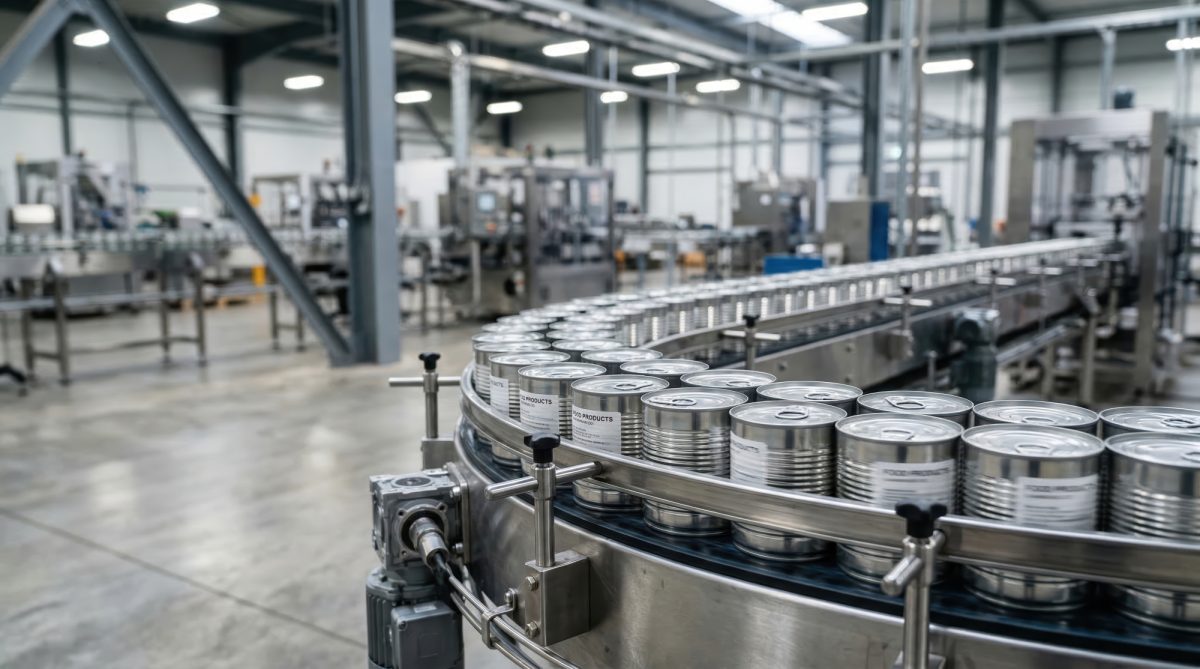
Food Processing
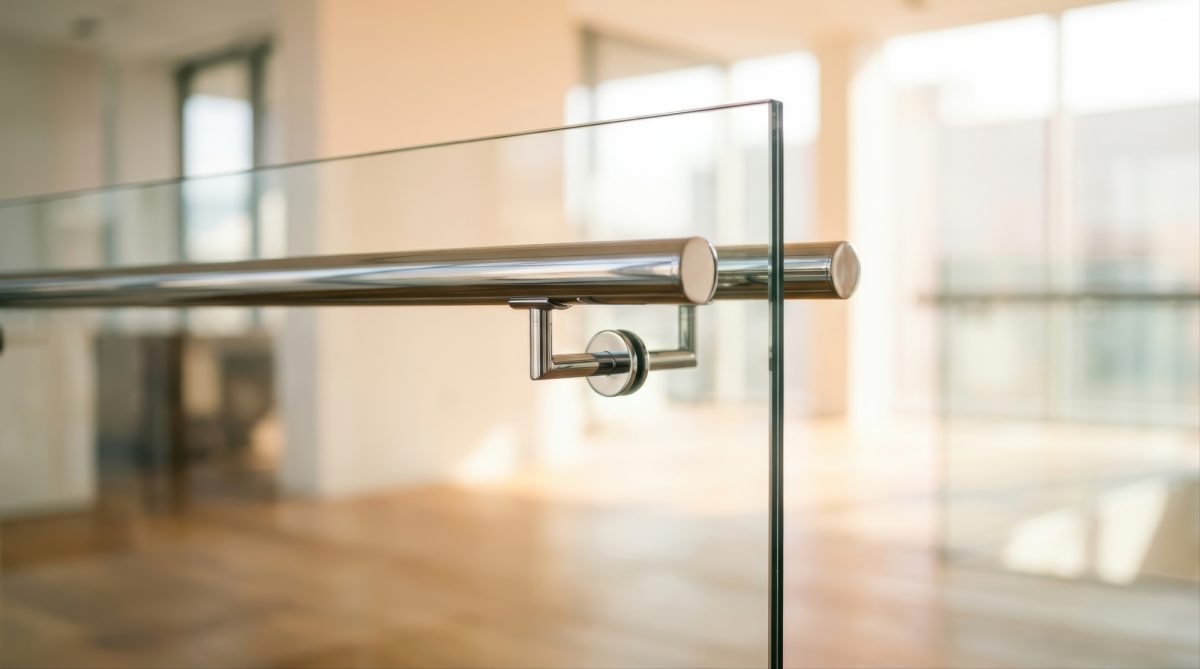
Architectural Applications
Surface staining and discoloration can negatively affect appearance and long-term customer satisfaction.
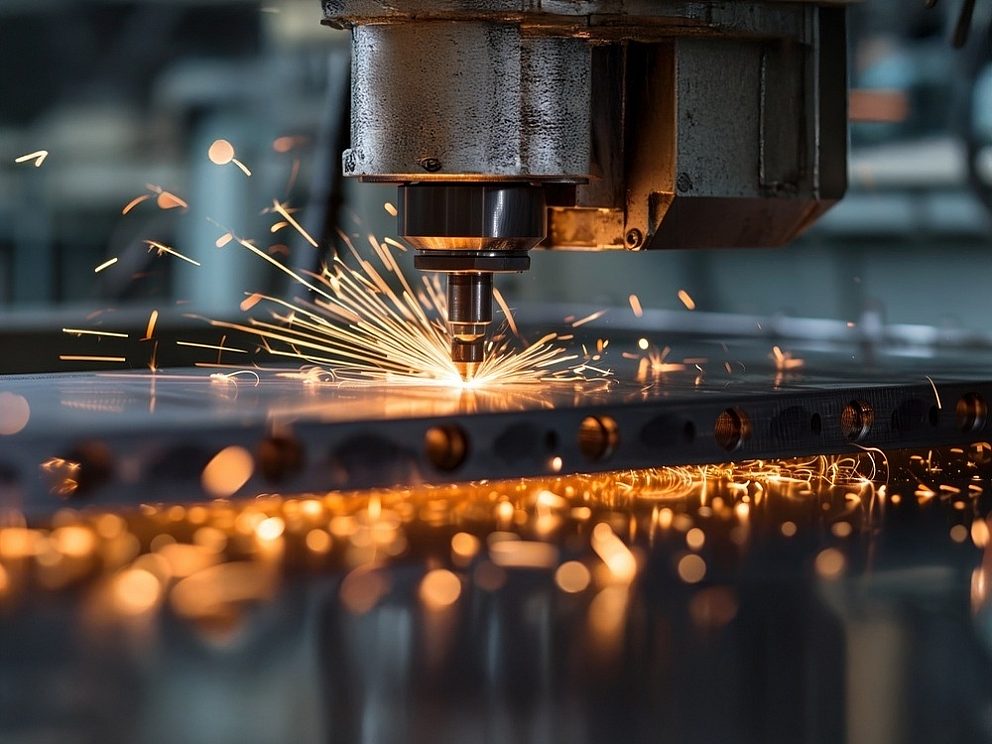
Manufacturing and Industrial Operations
Corrosion-related failures can increase downtime, maintenance costs, and replacement expenses.
Taking a lifecycle-cost approach often helps determine whether 304 stainless steel is appropriate or whether upgrading to a more corrosion-resistant grade such as 316 is justified.
Frequently Asked Questions About 304 Stainless Steel Rust
Is 304 stainless steel rust-proof?
No. 304 stainless steel is highly corrosion resistant but is not completely immune to rust under all conditions.
Will 304 stainless steel rust outside?
In most outdoor environments, 304 stainless steel performs very well. However, corrosion may occur in coastal areas or locations exposed to road salt and chlorides.
Can saltwater cause 304 stainless steel to rust?
Yes. Chlorides found in saltwater can damage the protective oxide layer and lead to pitting corrosion.
Is 316 stainless steel more corrosion resistant than 304?
Yes. The addition of molybdenum gives 316 superior resistance to chlorides and aggressive environments.
How do you prevent rust on 304 stainless steel?
Regular cleaning, proper fabrication practices, contamination control, and appropriate material selection can greatly improve corrosion resistance.
Key Takeaways
- 304 stainless steel is corrosion resistant, not rust-proof.
- Its chromium oxide layer provides excellent protection against corrosion.
- Chlorides, saltwater, contamination, and chemical exposure are among the most common causes of rust.
- Proper cleaning and fabrication practices help maximize corrosion resistance.
- Surface finish and design considerations can affect long-term performance.
- 316 stainless steel may be a better choice for marine, coastal, and chemical-processing environments.
Related Resources
Grade Properties
Grade Comparisons
Applications
- Why 304 Stainless Steel Is the Top Choice for Food Processing Equipment
- Cleanroom & Medical Uses of 304 Stainless Steel
- Stainless Steel for Architectural Applications: 304 vs. 316
Understanding what causes 304 stainless steel to rust—and how to prevent it—can help manufacturers, engineers, and buyers select the right material for long-term performance, reliability, and value.