Why 304 Stainless Steel is the Top Choice for Food Processing Equipment
Introduction
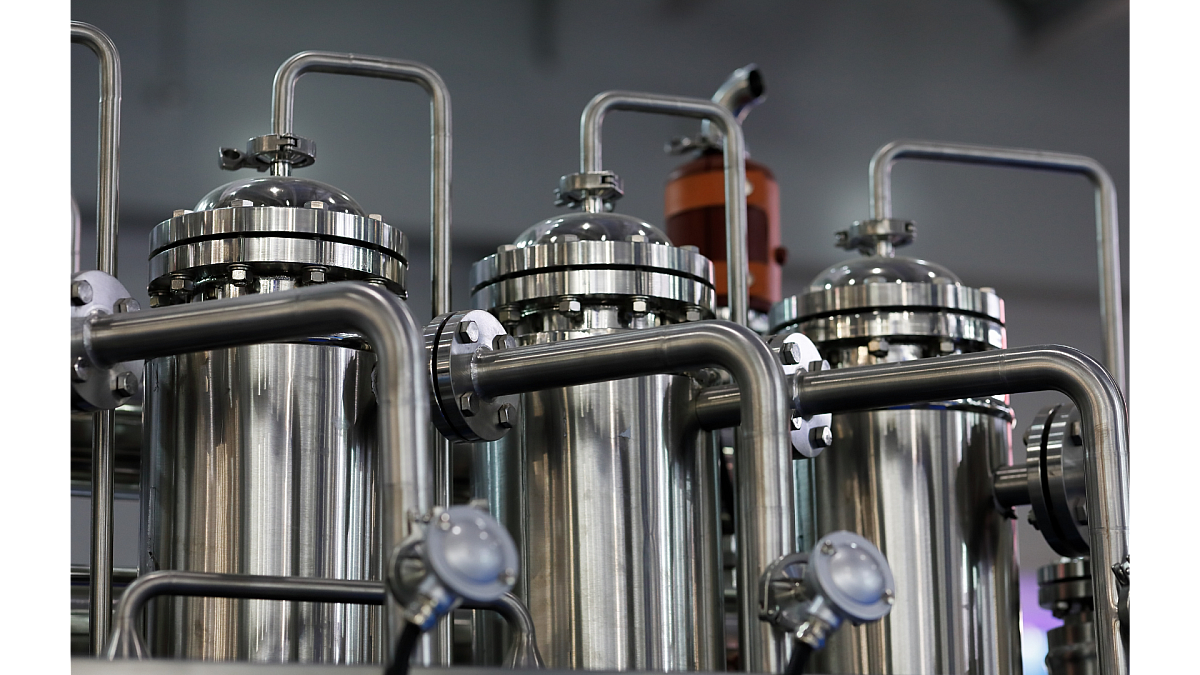
In the food processing industry, selecting the right material for equipment is critical for safety, durability, and efficiency. Among the many options available, 304 stainless steel stands out as the top choice for food-grade applications. Its exceptional corrosion resistance, hygienic properties, and long-lasting performance make it ideal for equipment like tanks, conveyors, and processing machinery. At Mill Steel Company, we provide high-quality 304 stainless steel products suitable for all your food processing needs.
1. Superior Corrosion Resistance for Food Safety
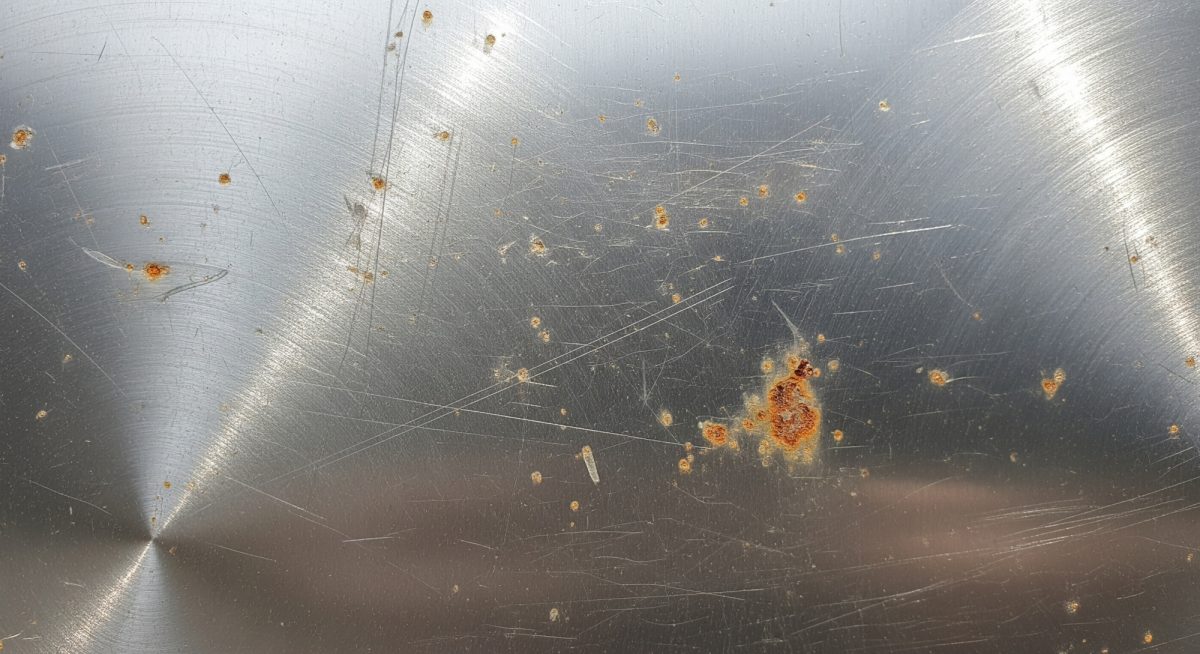
One of the main reasons 304 stainless steel is preferred in food processing is its excellent resistance to corrosion. Food environments often involve moisture, acidic ingredients, and frequent cleaning with chemicals, which can quickly degrade lesser materials. The chromium-nickel composition in 304 stainless steel protects against rust and ensures that equipment maintains structural integrity over time.
2. Hygienic and Easy-to-Clean Surface
Hygiene is a non-negotiable factor in food processing. 304 stainless steel has a smooth, non-porous surface that prevents bacteria and contaminants from accumulating. It can withstand repeated sanitation procedures without pitting or degradation, making it ideal for food contact surfaces.
3. Durability and Longevity
Processing equipment endures significant wear and tear. 304 stainless steel combines mechanical strength with corrosion resistance, ensuring long-lasting performance. Using 304 stainless steel reduces maintenance costs and minimizes equipment downtime, keeping operations running smoothly.
For more on durability in stainless steel applications, check out our guide to stainless steel grades.
4. Versatility in Food Processing Applications
From mixing tanks and conveyors to cutting tables and storage bins, 304 stainless steel is versatile enough to be used in almost every piece of food processing equipment. Its excellent formability and weldability allow manufacturers to design complex shapes while maintaining structural integrity.
5. Compliance with Food Industry Standards
304 stainless steel meets critical food safety standards, including FDA and USDA regulations for food contact materials. This compliance ensures that your equipment not only performs well but also adheres to the highest safety and quality standards.
Conclusion
When it comes to food processing equipment, 304 stainless steel is the top choice due to its corrosion resistance, hygienic properties, durability, and compliance with industry standards. Choosing the right stainless steel ensures both safety and long-term cost savings.
At Mill Steel Company, we offer a wide selection of 304 stainless steel products and custom solutions tailored to your food processing needs. Contact us today to learn more about how we can support your operation with high-quality stainless steel.