Stainless Steel for Architectural Applications: 304 vs 316
Understanding 304 vs 316 Stainless Steel
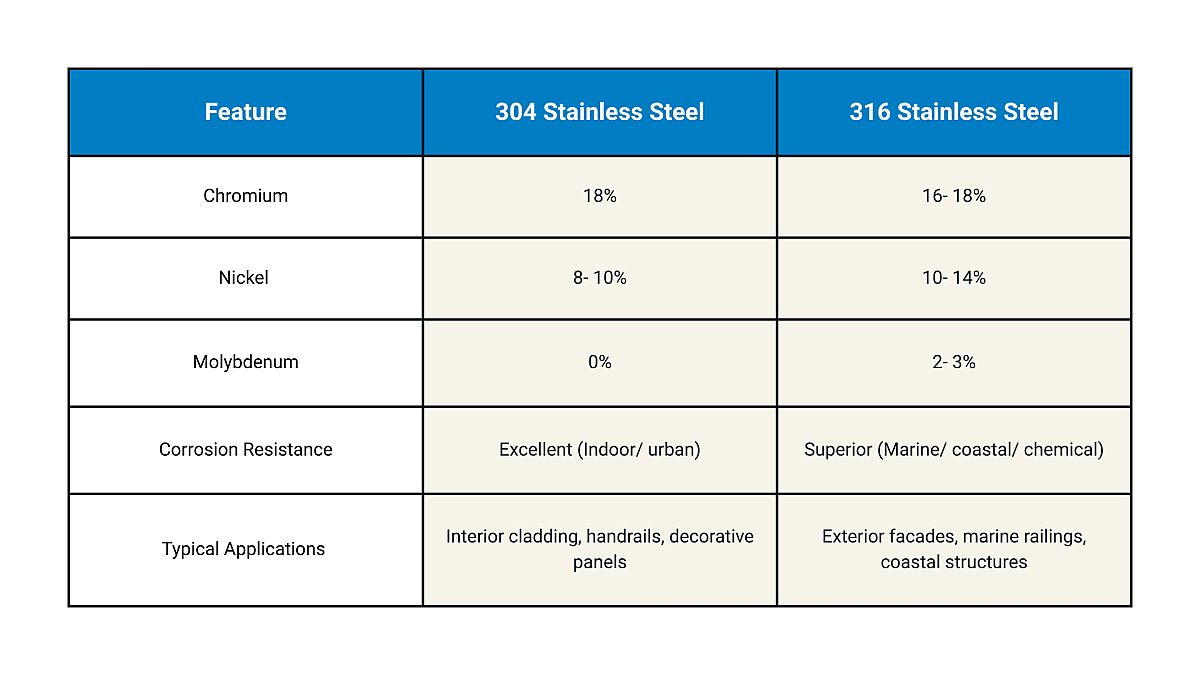
304 Stainless Steel is the workhorse of the industry, known for its excellent corrosion resistance, ease of fabrication, and cost-effectiveness. It contains 18% chromium and 8% nickel, making it ideal for most indoor applications where exposure to moisture or pollution is limited.
316 Stainless Steel steps up the game by adding molybdenum, which greatly improves resistance to chlorides and harsh environmental conditions. This makes it the go-to choice for coastal or chemical-prone environments, where corrosion resistance is critical.
Key Differences
Architectural Trends Driving Stainless Steel Use
Stainless steel isn’t just about durability—architects and designers are increasingly using it for visual impact. Here are trends that Mill Steel is seeing in the market:
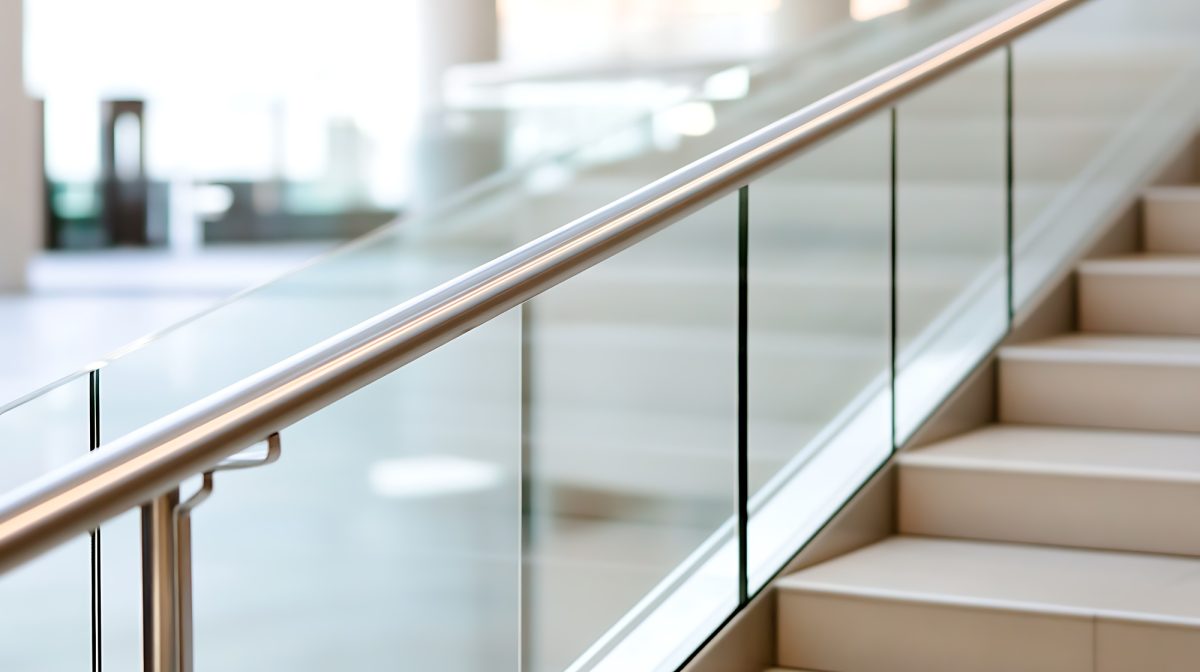
- Biophilic Design Integration: Modern buildings are embracing biophilic design—bringing natural elements into architectural spaces to improve occupant well-being. Stainless steel plays a complementary role by enhancing natural light reflection, creating airy and open interiors, and offering a sleek balance against organic materials like wood, glass, and stone. Both 304 and 316 grades are easily fabricated into railings, ceiling panels, and cladding that highlight natural design features while ensuring long-term durability.
- Sustainable Building Certifications: As LEED, WELL, and other certification programs become more prevalent, stainless steel’s recyclability and long service life are increasingly valued. Because 316 stainless steel withstands harsh outdoor environments with minimal maintenance, it reduces the need for frequent replacement or protective coatings—an advantage for project teams seeking points toward sustainable building goals. For interior features, 304 stainless steel provides the same recyclability benefits at a more cost-effective price point, aligning with both budget and sustainability objectives.
- Customized Finishes: Architects are pushing stainless steel beyond its traditional polished or brushed look. Advances in fabrication technology allow for textured, bead-blasted, patterned, or even color-coated stainless steel surfaces that transform façades and interiors into statement pieces. Both 304 and 316 grades can be treated with these finishes, giving designers flexibility to create bold aesthetics without sacrificing corrosion resistance or structural integrity. This trend is especially prominent in cultural centers, transit hubs, and commercial spaces where stainless steel doubles as decorative material.
Microclimate Considerations: Increasingly, grade selection goes beyond the broad setting (coastal vs. inland) to account for localized micro-environments. These are small, concentrated areas where corrosive conditions can be more aggressive than the general atmosphere. Examples include:
- Road salt exposure near walkways, parking decks, and entrances.
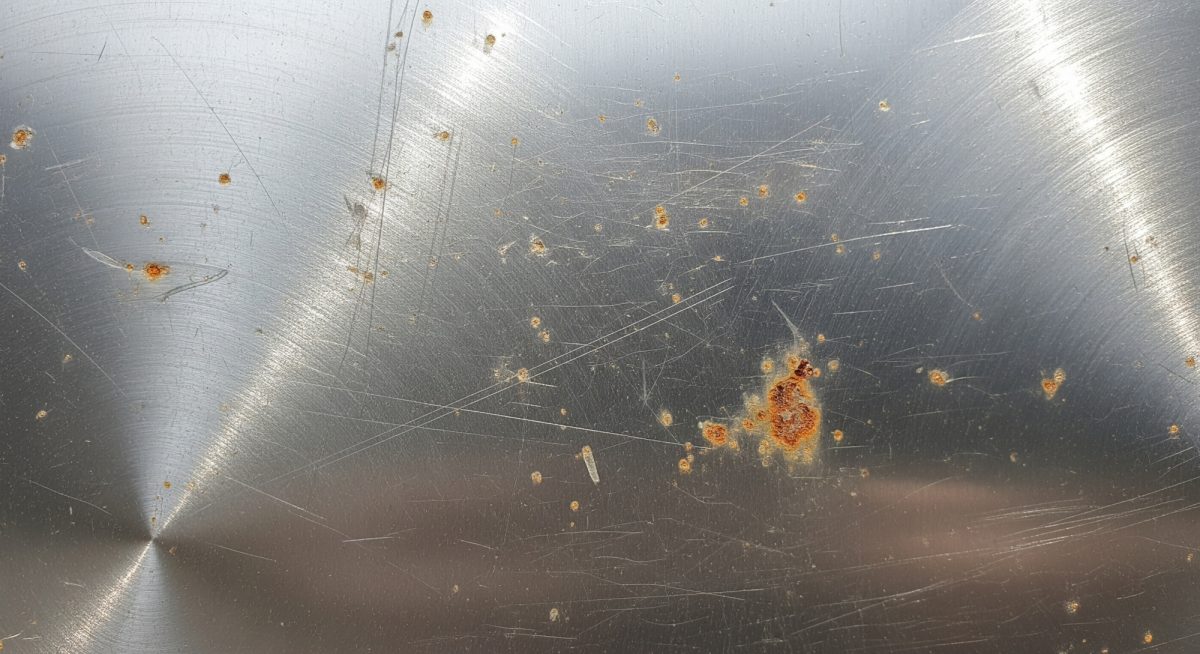
- HVAC exhaust zones, where chemical byproducts condense and attack stainless steel surfaces.
- Crevices or joints where stagnant water or de-icing salts accumulate, creating hidden corrosion sites.
Even in inland or indoor settings, these localized conditions can shorten the service life of 304 stainless steel, making 316 the safer long-term choice. For a deeper dive into how micro-environments impact material performance, see this technical guide on HVAC design and corrosive environments.
From biophilic design to micro-environmental challenges, today’s architectural trends are reshaping how stainless steel is specified. Understanding when to use 304 for cost-effective interiors and when to upgrade to 316 for demanding or corrosive conditions ensures both design vision and long-term performance are achieved.
Why Mill Steel is Your Partner in Stainless Steel Solutions
At Mill Steel, we don’t just supply stainless steel—we help you design smarter, build stronger, and specify smarter. Our national distribution network ensures that both 304 and 316 stainless steel are readily available, while our in-house experts provide guidance on finishing, tolerances, and sustainability considerations.
Key Advantages of Partnering with Mill Steel:
- Comprehensive Inventory: Nationwide availability of stainless steel, including 304 and 316, with just in time delivery options to suite your needs.
- Precision Processing: Advanced stainless steel processing with tight tolerances and finishes, tailored to meet the exact requirements of your project.
- Expert Guidance: Recommendations tailored to architectural, marine, and industrial applications.
Final Thoughts
Choosing between 304 and 316 stainless steel doesn’t have to be guesswork. For interior architectural features in controlled environments, 304 offers cost-effective elegance. For exterior applications in harsh or coastal environments, 316 ensures longevity and peace of mind.
Mill Steel combines high-quality stainless steel products with industry insights and dependable support.