Skip to content
Blog
May 29, 2026

Steel Lead Times in Construction: What Data Center Manufacturers Should Expect

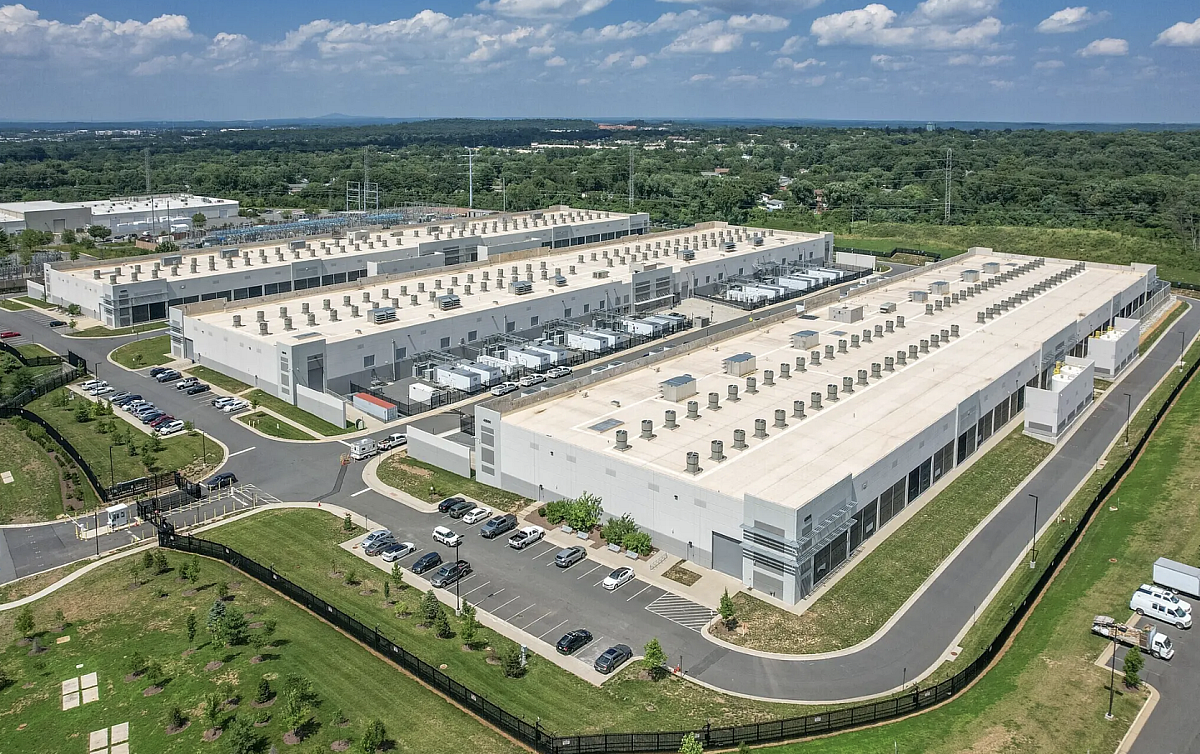
Overhead view of Data Center

The race to build faster has become one of the defining pressures in today’s construction market — especially in hyperscale data center construction. Owners, contractors, and manufacturers are all working against aggressive timelines while navigating ongoing volatility in steel availability, mill capacity, freight, labor, and demand surges tied to AI and cloud infrastructure growth. 

For manufacturers supplying components into the data center market, understanding steel lead times is no longer just a procurement concern. It’s a competitive advantage. 

Whether you’re sourcing steel for electrical enclosures, framing systems, HVAC components, cable management systems, server infrastructure, or structural applications, lead time visibility can directly impact project schedules, production planning, and profitability. 

At Mill Steel Company, we work closely with manufacturers supporting hyperscale builds across North America. We understand the pressure customers face to secure material quickly, maintain quality standards, and keep production moving despite shifting market conditions. 
Why Steel Lead Times Matter More in Data Center Construction 

Traditional commercial construction schedules already demand coordination across dozens of suppliers and trades. Hyperscale data center construction amplifies that complexity. 

Many hyperscale projects operate on compressed timelines because cloud providers and AI-driven infrastructure companies are racing to expand capacity. According to McKinsey & Company, global investment in data center infrastructure is accelerating rapidly due to AI adoption and increased compute demand. 

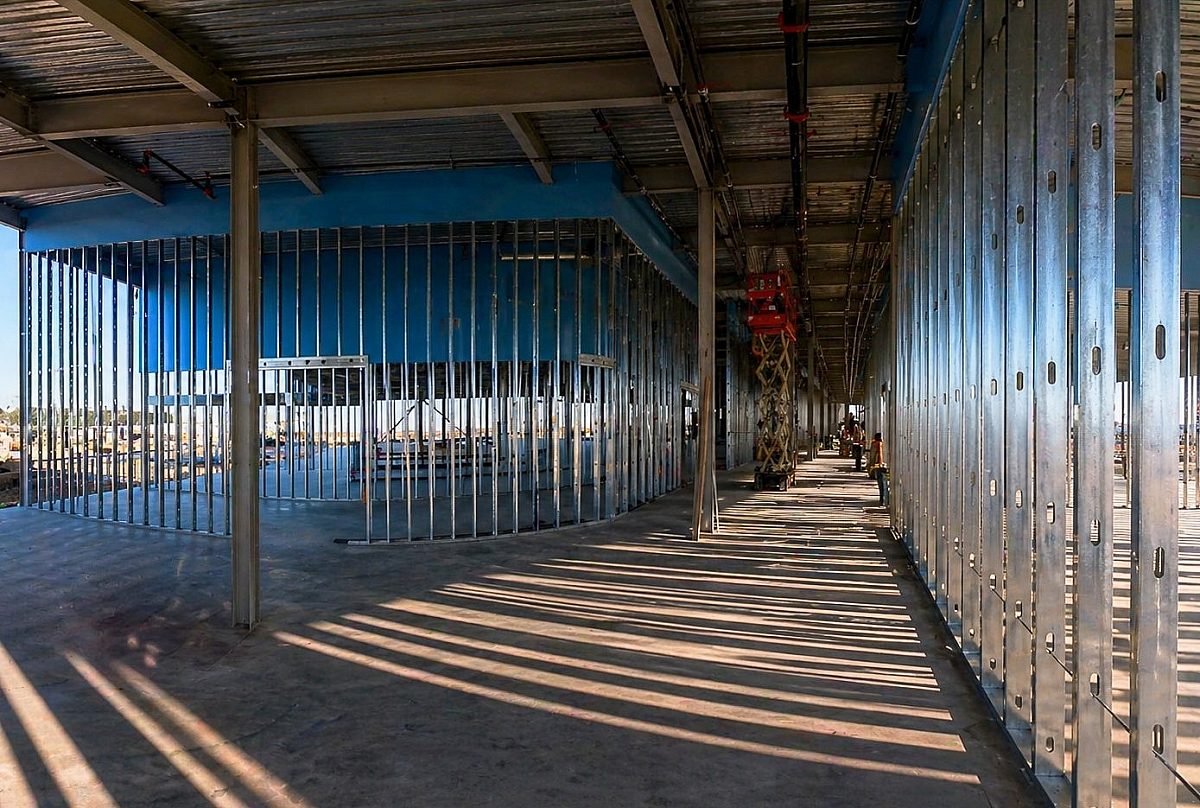
Interior steel framing on a hyperscale data center construction project.

That urgency creates ripple effects throughout the metals supply chain: 

  • Increased demand for coated and pre-painted steel 
  • Greater competition for mill production slots 
  • Tightened transportation capacity 
  • Higher pressure on inventory availability 
  • Reduced tolerance for delays  

For manufacturers supplying data center components, even small disruptions in steel availability can delay production schedules and create downstream project impacts. 

What Are Typical Steel Lead Times Right Now? 

Why Coated and Pre-Painted Steel Often Have Longer Lead Steel lead times fluctuate based on: 

  • Product type 
  • Gauge and width requirements 
  • Coating specifications 
  • Market demand 
  • Domestic vs. imported material 
  • Mill capacity utilization 
  • Transportation conditions  

Steel mill lead times vary by region and product (e.g., hot-rolled vs. plate), so there is no free, single, government-backed "centralized" database. Instead, industry professionals rely on paid subscription market intelligence firms and regular publisher surveys to understand the market outlook.  

Two reliable, industry-standard sources for accurate, up-to-date steel market lead times include: Steel Market Update and Argus Media.  

Steel Market Update is widely considered the premier tracker for North American flat-rolled and plate steel. They publish weekly/bi-weekly surveys from active buyers and service centers, tracking the time from mill order placement to ready-for-shipping. SMU also maintains interactive, historical data charts. 

Argus Media offers independent, market-reflective pricing and calculated mill spreads that paint a comprehensive picture of global steel production activity, buying patterns, and lead times. 

 Times 

Many components used in data centers require coated or pre-painted steel due to environmental performance, corrosion resistance, and aesthetic consistency. 

The following products often require galvanized, Galvalume®, or pre-painted material:  

  • Electrical cabinets 
  • Cooling systems 
  • Racking systems 
  • Wall panels 
  • Enclosures 
  • Structural framing components  

These products typically involve a series of steps including: 

  1. Base steel production 
  2. Coating processes 
  3. Paint line scheduling 
  4. Additional quality testing 
  5. Slitting or processing  

Each additional step adds complexity and time to the supply chain. 

For hyperscale projects, buyers are also increasingly requesting: 

  • Tight color consistency 
  • Enhanced corrosion resistance 
  • Specific coatings 
  • Exact flatness tolerances 
  • Surface-critical finishes  

That makes early planning even more important. 

The Biggest Factors That Impact Steel Lead Times 

Demand Surges Graphic

1. Sudden Demand Surges

The rapid growth of AI infrastructure has created massive demand for steel for data centers. 

Large hyperscale projects can consume enormous volumes of material across: 

  • Structural systems 
  • HVAC infrastructure 
  • Power distribution equipment 
  • Cable trays 
  • Battery storage systems 
  • Backup power systems 
  • Metal framing  

When multiple large projects launch simultaneously, mill capacity tightens quickly.

Mill Steel truck on the road

2. Freight and Logistics Constraints

Even when steel is available, transportation delays can impact delivery schedules. 

Common issues include: 

  • Rail congestion 
  • Limited trucking capacity 
  • Gas and oil price volatility 
  • Port disruptions 
  • Weather events 
  • Regional distribution bottlenecks  

Reliable supply chain coordination becomes critical during these periods. 

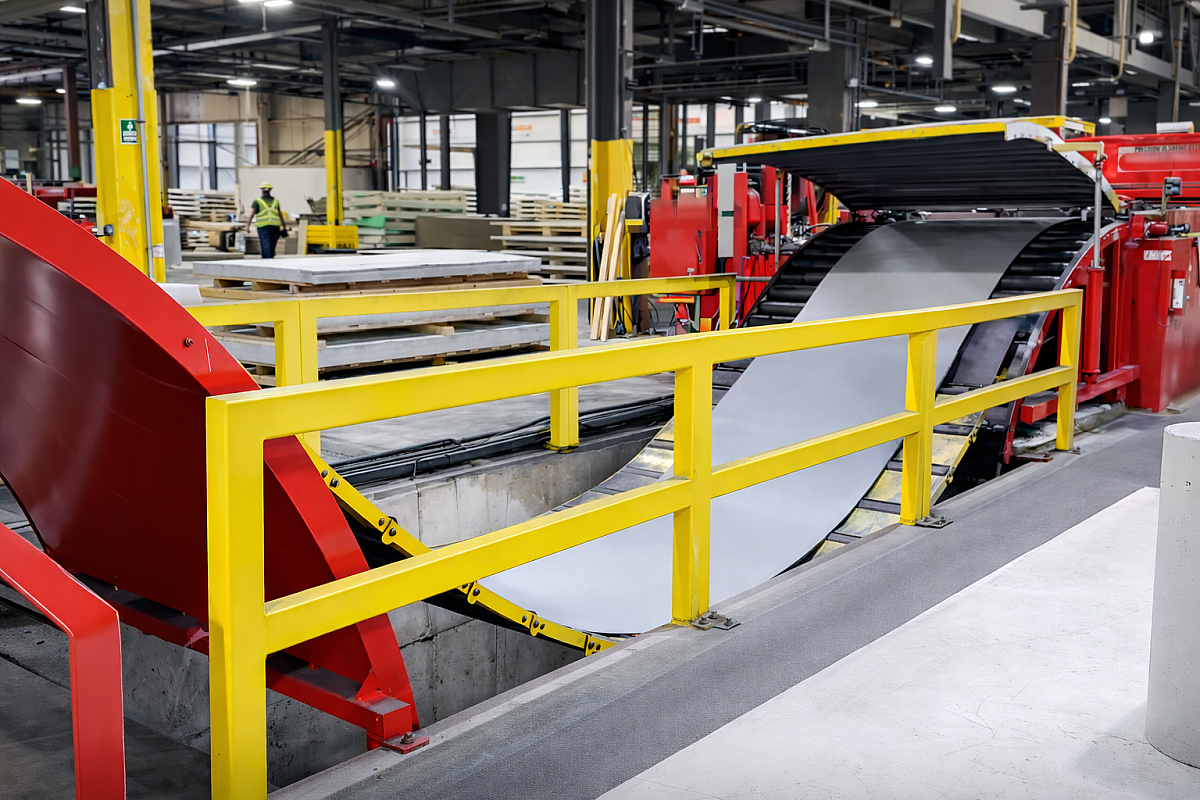
Cut to length processing

3. Processing Requirements

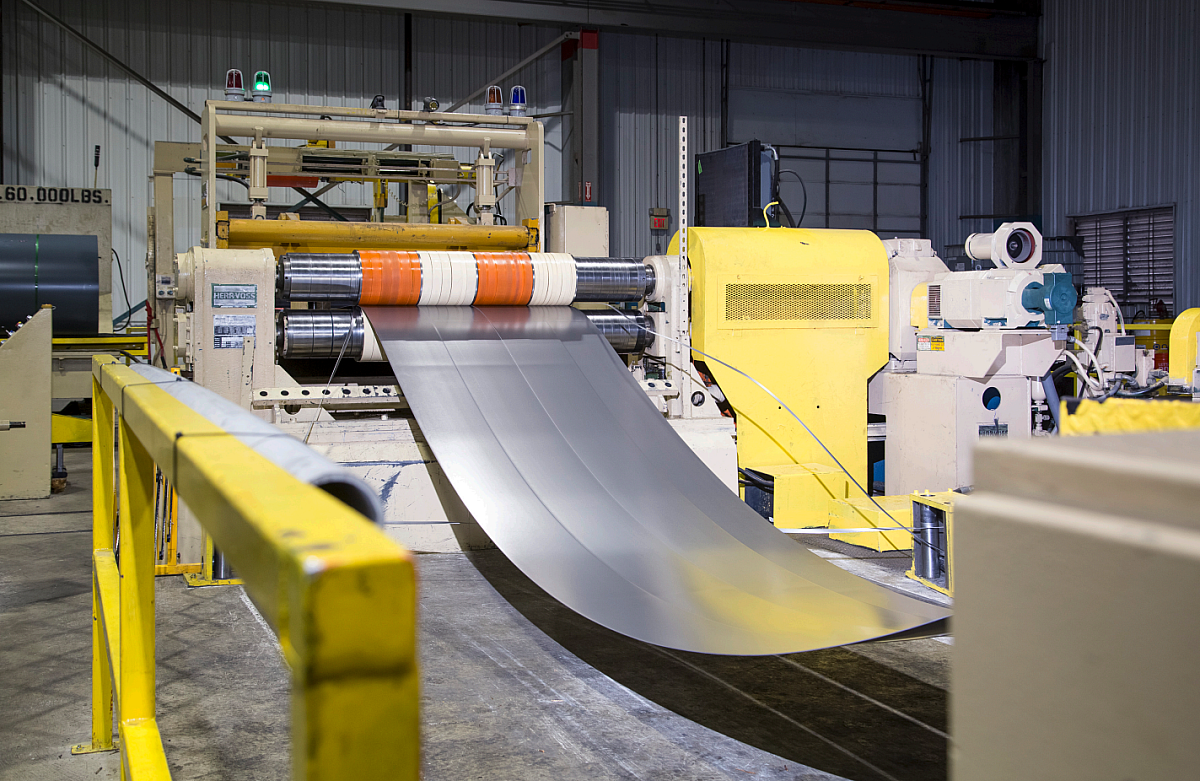
Steel often requires additional processing before reaching manufacturers, including: 

  • Slitting 
  • Cut-to-length processing 
  • Surface protection 
  • Packaging customization 
  • Just-in-time delivery preparation  

These value-added services improve manufacturing efficiency but must be planned into overall timelines. 

Mill Steel service team reviews a data center steel order on a computer screen.

4. Specification Changes Mid-Project

Late-stage changes to gauge, coating, width, or finish can dramatically affect availability. 

In data center manufacturing environments, design revisions happen frequently as customers optimize for performance and speed. Those changes can force buyers back into the queue for newly specified material. 

How Smart Buyers Reduce Lead Time Risk 

The most successful manufacturers in hyperscale data center construction are proactive rather than reactive. 

Forecast Earlier Than You Think You Need To 

Forecasting demand earlier gives suppliers more flexibility to secure mill positions and inventory. 

Even approximate forecasts help improve planning accuracy. 

Standardize Specifications Where Possible 

The more customized the steel specification, the fewer sourcing options are available. 

Where operationally possible, standardizing gauges, widths, coatings and paint systems can improve supply flexibility. 

Build Supplier Relationships Before You Need Emergency Support 

When markets tighten, strong supplier relationships matter. 

Manufacturers benefit from working with steel partners that understand: 

  • Project urgency 
  • Production schedules 
  • Inventory management 
  • Processing requirements 
  • Communication expectations  

At Mill Steel, our account managers work closely with customers to improve forecasting visibility, coordinate releases, and support production continuity when schedules shift unexpectedly.

We reserve time in our production schedules for emergency steel needs with our Rapid Response program, and can oftentimes ship as soon as same day if the material is on our floor.  

Consider Inventory Programs 

Strategic inventory programs can help buffer against volatility. 

Many manufacturers supporting data center projects use: 

  • Safety stock agreements 
  • Consignment inventory 
  • Blanket orders 
  • Scheduled releases 
  • Regional warehousing strategies  

to reduce exposure to sudden market swings. 

What Buyers Should Ask Their Steel Supplier 

Middle-of-the-funnel buyers evaluating steel partners for data center applications should ask:

What inventory visibility is available?  

How frequently are lead times updated?  

Can material be reserved in advance?  

What processing capabilities are available internally?  

Is there support for forecasting and planning?  

How quickly can schedule changes be accommodated?  

Are logistics and delivery coordination managed proactively?  

Does the supplier understand data center manufacturing timelines?  

The answers often reveal whether a supplier is transactional — or truly operating as a long-term partner.

Why Partnership Matters in Hyperscale Construction 

Speed matters in hyperscale data center construction, but reliability matters just as much. 

Manufacturers cannot afford inconsistent communication, missed delivery windows, or limited visibility into supply conditions. 

The strongest steel partners help customers: 

  • Navigate volatile markets 
  • Improve planning confidence 
  • Reduce supply chain disruptions 
  • Increase operational flexibility 
  • Maintain production schedules under pressure  

At Mill Steel Company, we understand that steel for data centers is about more than just material availability. It’s about helping customers execute at the pace modern infrastructure demands. 

From coated and pre-painted steel solutions to processing capabilities and inventory support, our team works to keep customers moving — even when market conditions become challenging. 

Final Thoughts 

Steel lead times will continue to fluctuate as demand for AI infrastructure and hyperscale data center construction grows. 

Manufacturers that plan earlier, communicate proactively, and partner with experienced suppliers will be better positioned to: 

  • Reduce disruptions 
  • Improve schedule reliability 
  • Protect margins 
  • Deliver projects faster  

In today’s market, supply chain performance has become a competitive advantage. 

And the right steel partner can make all the difference.