Skip to content
Blog
Jun 19, 2026

Oil Canning in Metal Roofing: What Causes It and How Manufacturers Can Reduce It

roofing

Oil canning is one of the most discussed—and sometimes misunderstood—topics in the metal construction industry. 

For builders, architects, and manufacturers producing metal roofing or wall panels, oil canning refers to the visible waviness or distortion that can appear in flat metal surfaces. 

While oil canning does not affect the structural performance of a panel, it can impact the visual appearance of architectural metal systems, particularly in standing seam roofing or flat wall panels. 

Understanding what causes oil canning—and how manufacturers can minimize it—has become increasingly important as demand grows for architectural metal roofing and steel siding systems.

What Is Oil Canning? 

Roof Panels

Oil canning describes a perceived waviness or buckling in flat areas of metal panels

This phenomenon is most noticeable in: 

  • standing seam metal roofing systems
  • architectural wall panels
  • large flat panel profiles 

According to guidance from the Metal Construction Association, oil canning is considered an inherent characteristic of light-gauge cold-formed metal products and is primarily a cosmetic condition rather than a structural defect. 

However, in architectural applications where visual appearance matters, minimizing oil canning is a key priority for manufacturers and builders.
What Causes Oil Canning? 

Oil canning can result from a combination of factors throughout the manufacturing and installation process. 

  • Metal thickness (gauge) 

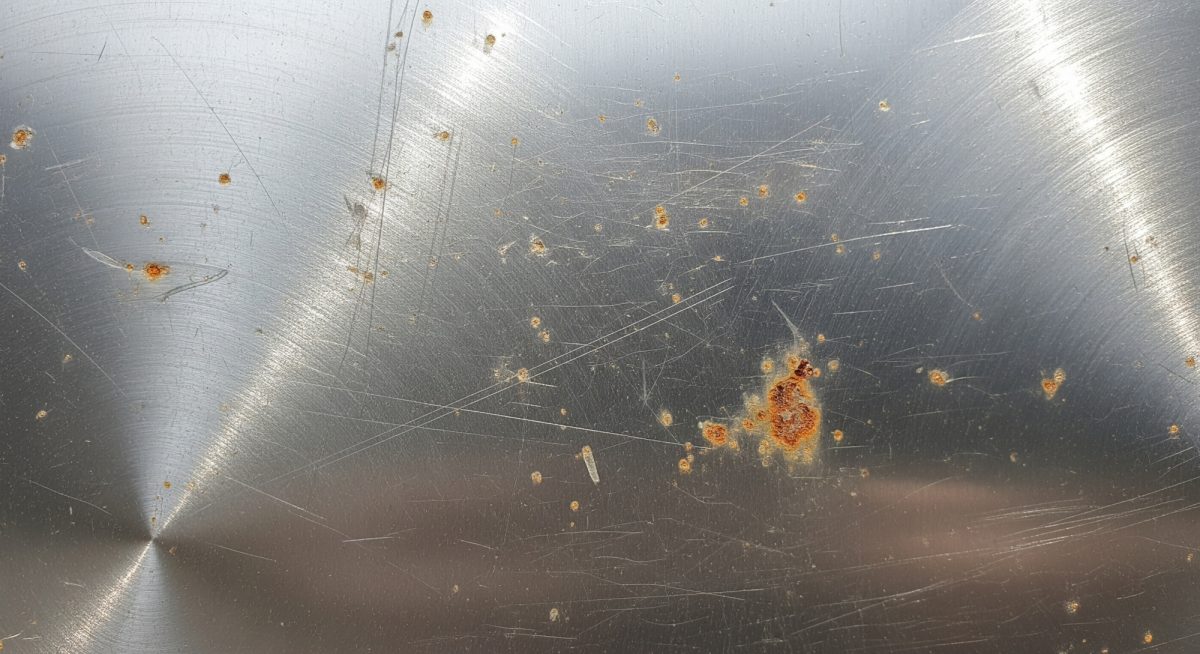
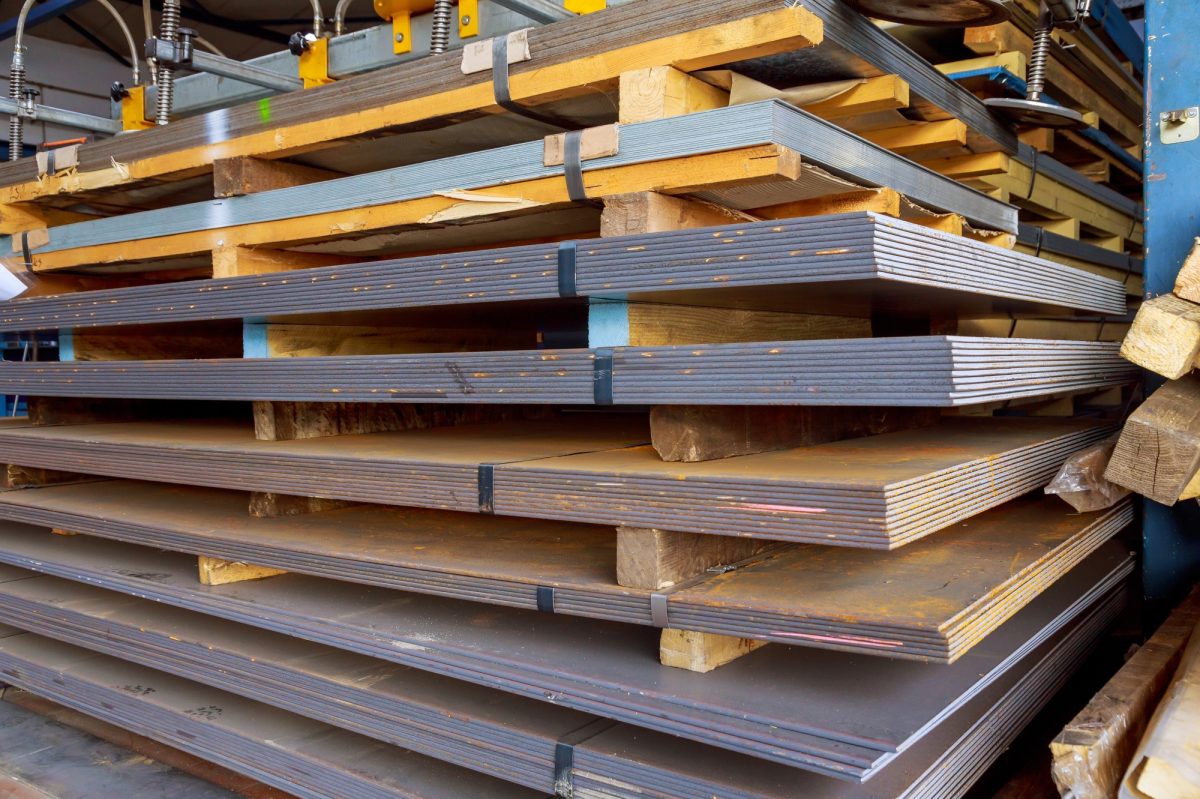
Blocks of Steel

Thinner metal is more susceptible to visible waviness. 

For example: 

  • 24 gauge steel panels tend to show less oil canning
  • 26 gauge may show moderate risk depending on profile
  • 29 gauge panels are more prone to visual distortion 

Selecting the appropriate gauge for architectural applications is an important design decision when building with steel. 

  • Coil stresses and material properties 

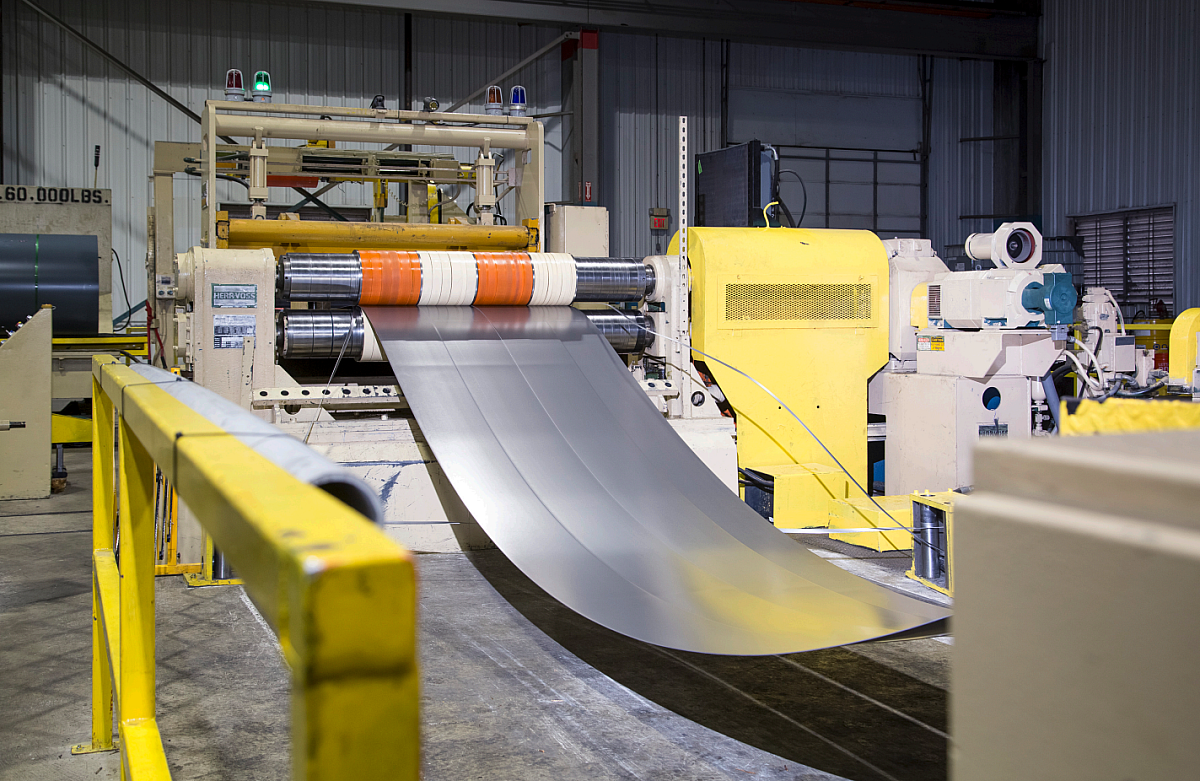
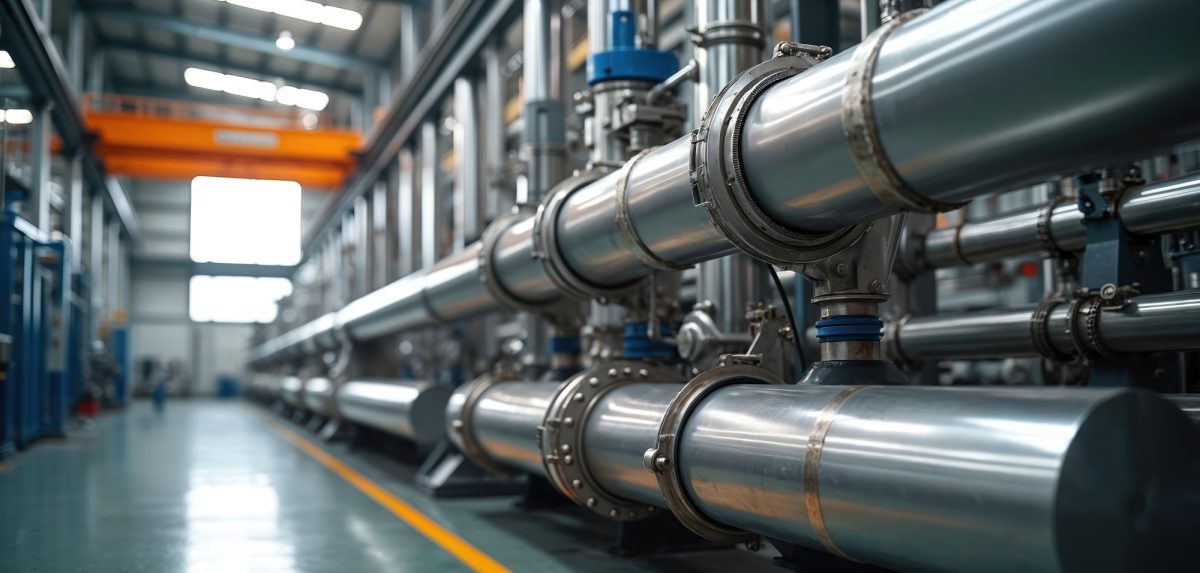
Pipes in Steel Plant

Residual stresses from steel production or coil processing can contribute to oil canning during roll forming. 

Consistent material quality from a reliable steel coil supplier helps manufacturers maintain predictable forming characteristics. 

  • Panel design 

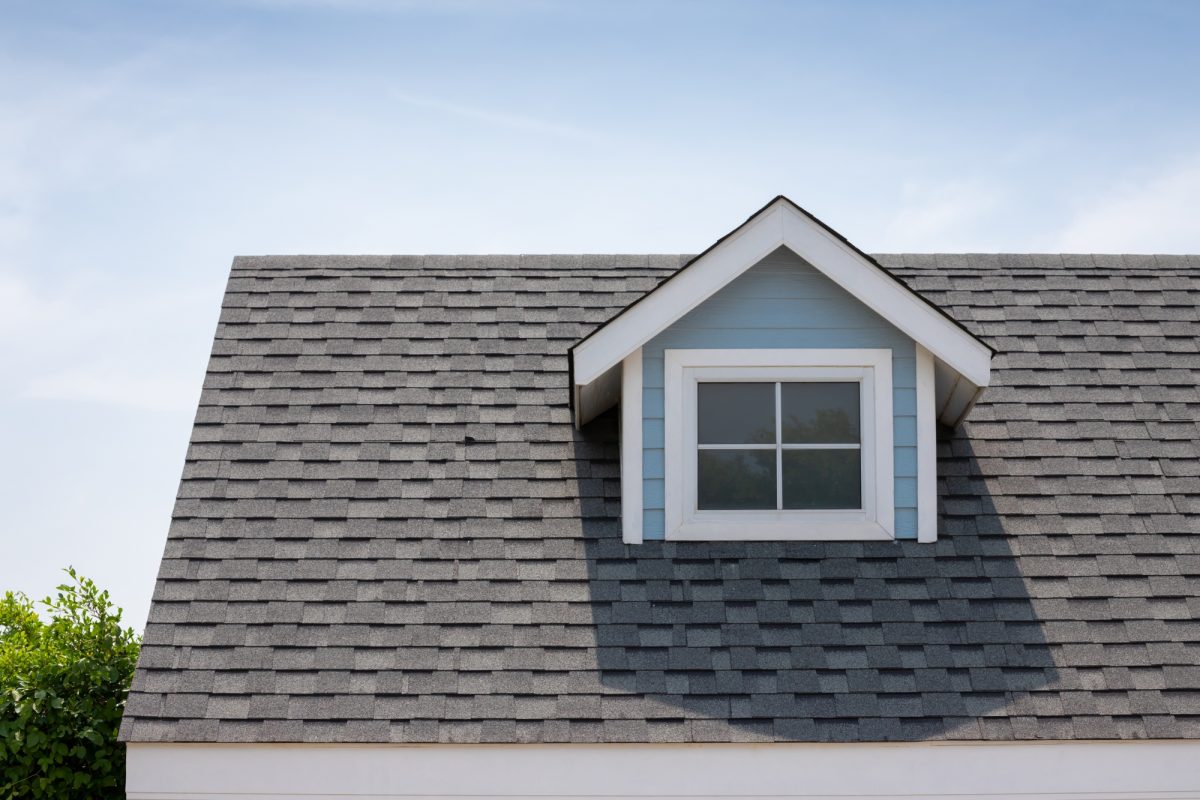
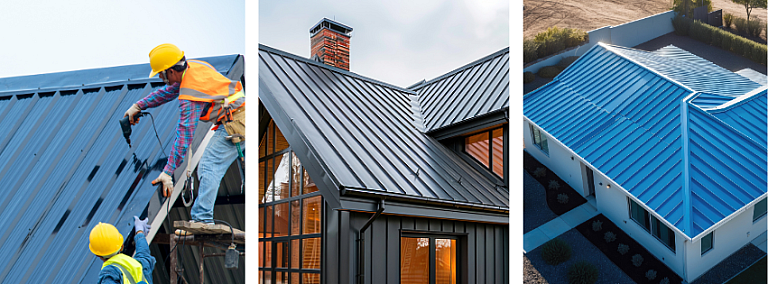
Roof with different paneling

Panel geometry plays a major role in controlling oil canning. 

Features that reduce visual distortion include: 

  • stiffening ribs or striations
  • bead patterns
  • intermediate ribs
  • pencil ribs 

These design elements help break up flat surfaces and increase panel rigidity. 

  • Installation conditions 

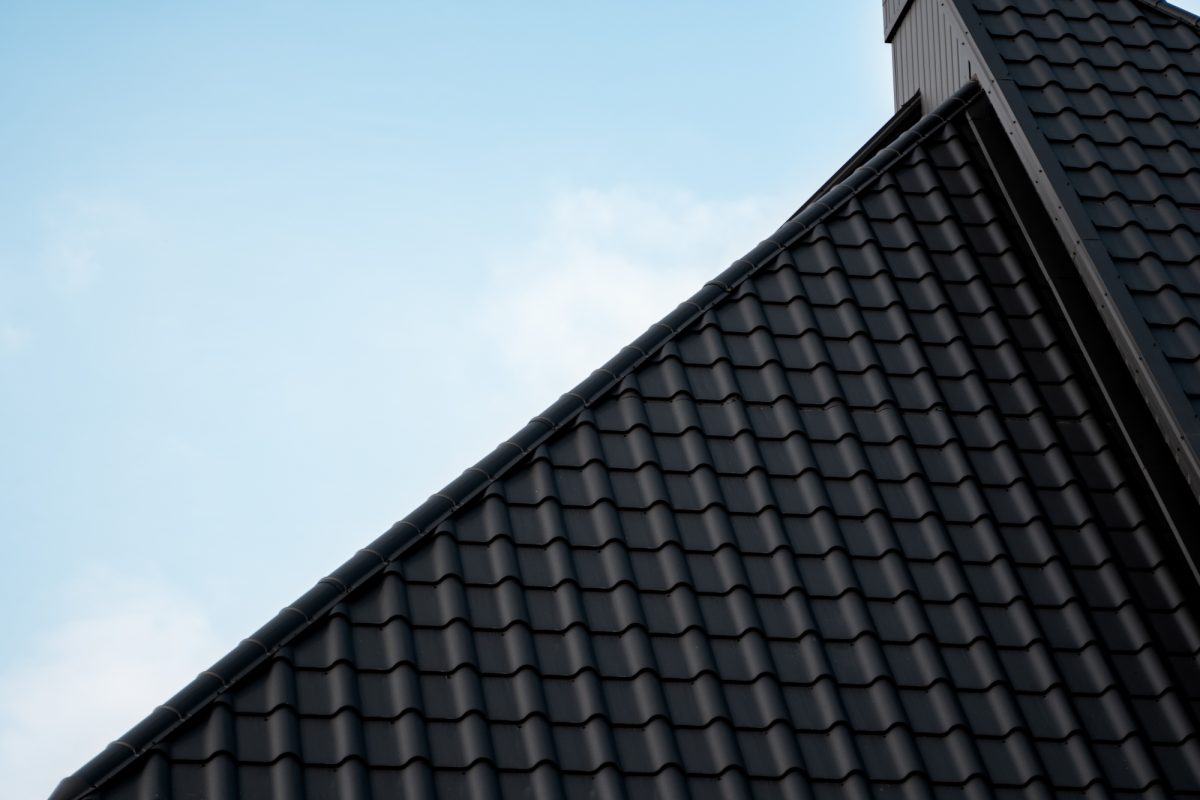
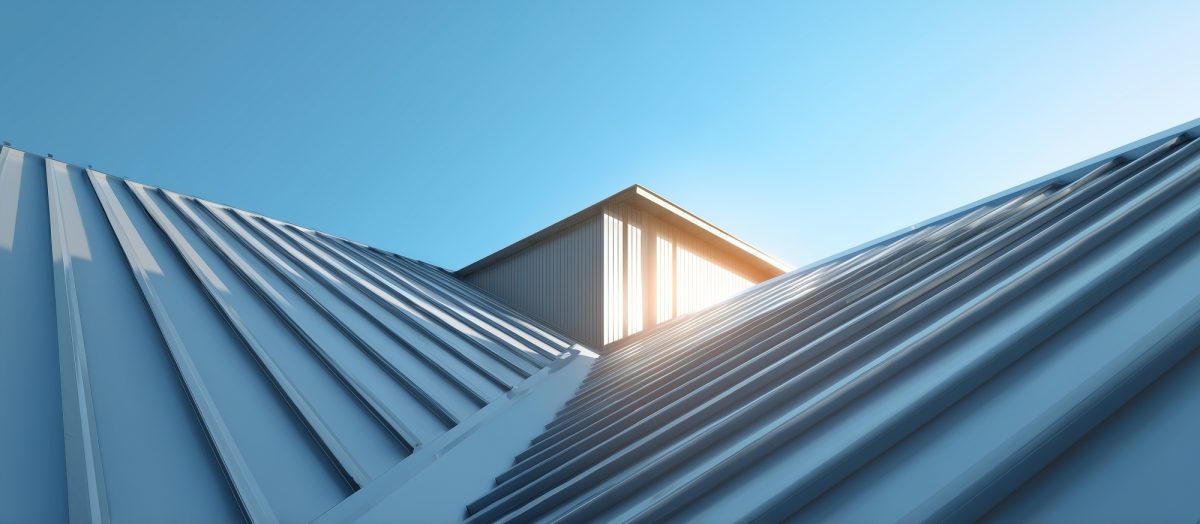
Roof with sunlight in background

Even perfectly manufactured panels can exhibit oil canning if installation conditions introduce stress. 

Examples include: 

  • uneven substrates
  • over-tightened fasteners
  • thermal expansion constraints 

Because metal expands and contracts with temperature changes, proper installation practices are essential for minimizing visual distortion. 

Why Oil Canning Is More Common in Architectural Metal Systems 

Oil canning tends to be more noticeable in high-end architectural projects where panels are designed with wide, flat surfaces for aesthetic appeal. 

Standing seam roofing systems are particularly susceptible because they often feature large flat spans between seams

As architectural metal construction continues to grow in commercial, residential, and rural markets across the United States, manufacturers are paying closer attention to panel design and material selection.

How Manufacturers Reduce Oil Canning 

Manufacturers and roll formers use several strategies to reduce the appearance of oil canning in metal panels. 

  • Choosing the right gauge 

Thicker steel can improve panel rigidity and reduce waviness. 

  • Adding panel stiffeners 

Striations, ribs, or embossments help distribute stresses and minimize distortion. 

  • Working with consistent coil material 

Reliable coil supply helps ensure predictable forming performance during manufacturing. 

  • Designing appropriate panel widths 

Narrower panels can reduce the visual impact of oil canning. 

Manufacturers producing architectural metal systems often work closely with their metal coil supplier or coated steel supplier to maintain consistent material properties across production runs. 

Why Coil Quality Matters 

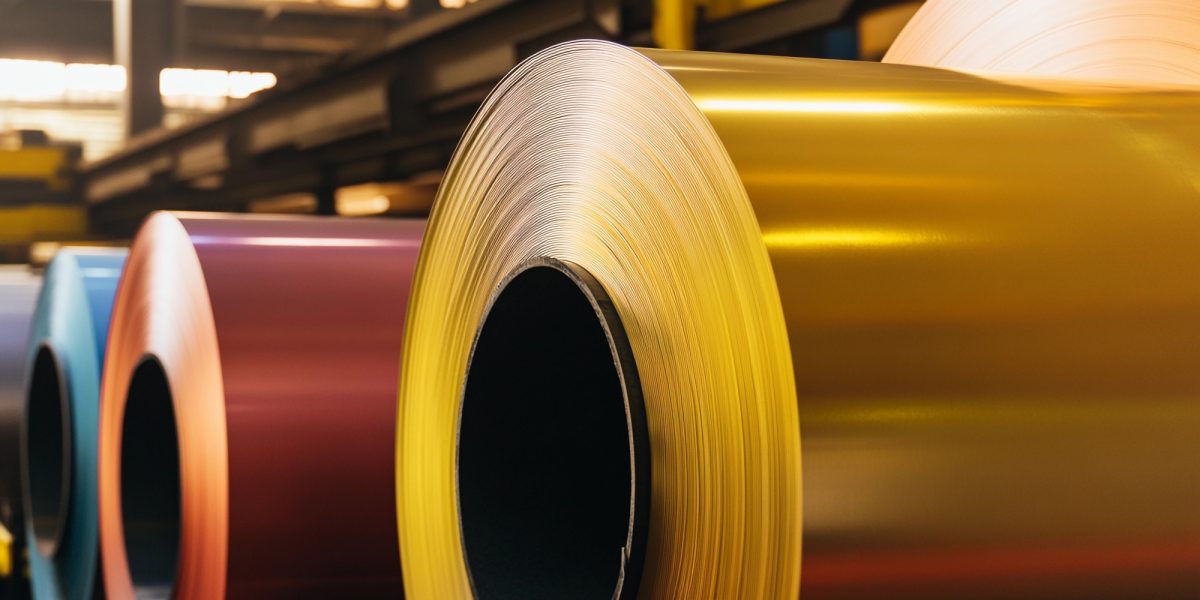
3 coils with gloss coating finish

While oil canning is influenced by many variables, coil consistency plays an important role in manufacturing performance

Panel manufacturers depend on coil supply that provides: 

  • consistent gauge tolerances
  • predictable mechanical properties
  • uniform coating performance 

Working with a dependable metal distribution partner helps manufacturers maintain production consistency and reduce variability during roll forming.

Supporting Manufacturers Who Build with Steel 

At Mill Steel Company, we support manufacturers across North America with high-quality flat-rolled steel, stainless steel, and aluminum coil inventory used in construction applications. 

Our customers rely on us for: 

  • deep coated steel inventory
  • painted coil products for architectural applications
  • reliable supply programs
  • responsive communication
  • market intel to manage volatility in pricing  

As demand for architectural metal roofing and siding systems continues to grow, we remain focused on helping manufacturers maintain the material consistency and supply reliability required in today’s construction markets. 

Because when production lines are running and project specifications are demanding, your metal supplier should be a partner who understands both the material and the manufacturing process. Request a quote or contact us today to discuss your metal needs. 

Frequently Asked Questions 

Is oil canning a defect in metal roofing panels? 

No. Industry organizations such as the Metal Construction Association state that oil canning is typically a cosmetic condition and does not affect the structural performance of metal roofing panels. 

Does thicker steel reduce oil canning? 

Yes. Thicker steel gauges generally provide greater rigidity and can reduce the visual appearance of oil canning, although panel design and installation conditions also play a role. 

Why do standing seam roofs sometimes show oil canning? 

Standing seam systems often feature large flat panel areas between seams. These wide flat surfaces make any slight waviness more visible. 

Can roll formers prevent oil canning completely? 

Oil canning cannot always be eliminated, but manufacturers can reduce its appearance through panel design, material selection, and proper installation practices.