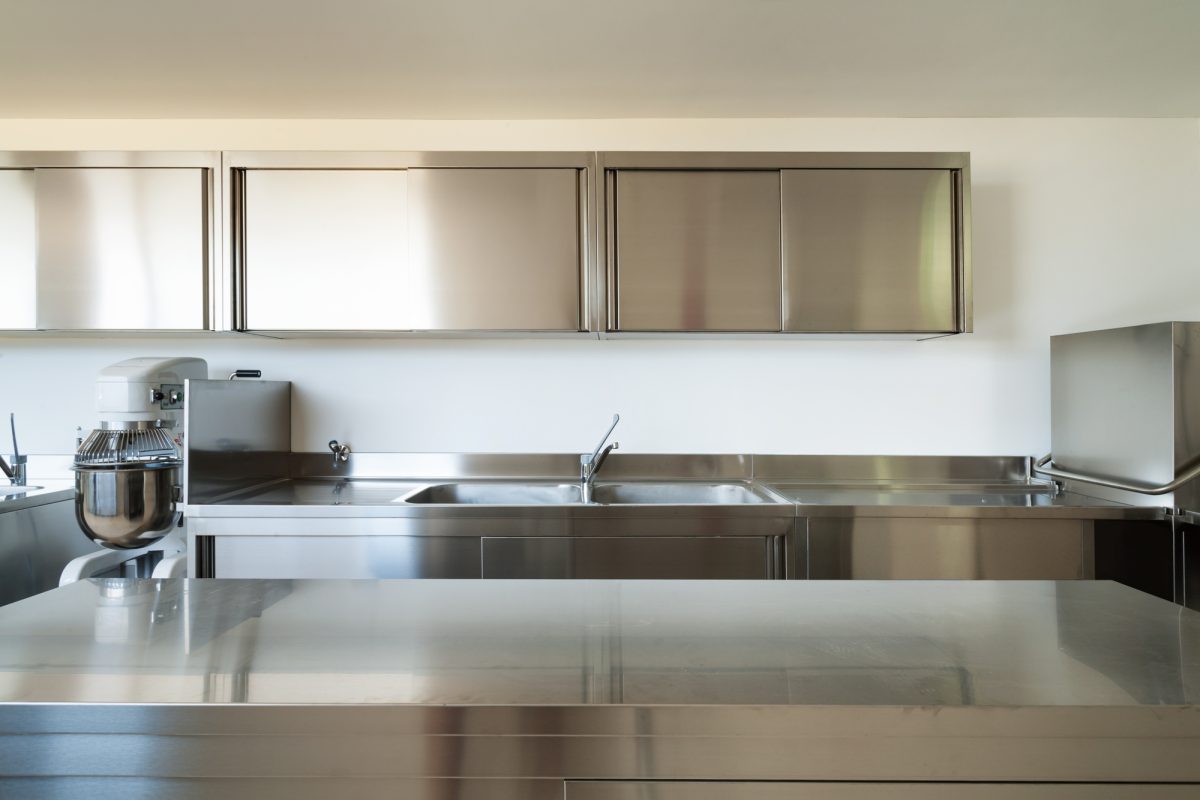
- You need excellent corrosion resistance.
- Food processing equipment is involved.
- General fabrication is required.
- Cost and performance need to be balanced.
Blog
News filters list
Aug 27, 2026
Understanding Stainless Steel Grading Systems: A Complete Guide

Selecting the right stainless steel grade is one of the most important decisions when sourcing stainless steel coil, sheet, or plate. Different grades offer varying levels of corrosion resistance, strength, weldability, machinability, and cost. Understanding how stainless steel grades are classified can help manufacturers, fabricators, engineers, and buyers choose the best material for their application.
Whether you're evaluating stainless steel for food processing equipment, architectural applications, medical devices, automotive components, or industrial fabrication, understanding the grading system is the first step toward making an informed purchasing decision.
What Are Stainless Steel Grades?
Stainless steel grades classify alloys based on their chemical composition, corrosion resistance, strength, magnetic properties, and intended applications. While all stainless steels contain a minimum of approximately 10.5% chromium, additional elements such as nickel, molybdenum, manganese, and carbon significantly influence material performance.
The most commonly used stainless steel families include:
- 200 Series Stainless Steel
- 300 Series Stainless Steel
- 400 Series Stainless Steel
- Duplex Stainless Steel
- Precipitation-Hardening Stainless Steel
Each family offers distinct advantages depending on environmental conditions, fabrication requirements, and performance expectations.
Understanding the Most Common Stainless Steel Families
Stainless Steel Grade Families at a Glance
| Family | Common Grades | Magnetic | Corrosion Resistance | Common Uses |
|---|---|---|---|---|
| 200 Series | 201, 202 | Generally No | Good | Appliances, trim, structural components |
| 300 Series | 301, 303, 304, 304L, 316 | Generally No | Excellent | Food, medical, architecture |
| 400 Series | 409, 430, 441 | Yes | Moderate | Automotive, appliances, HVAC |
| Duplex | 2205 | Mixed | Excellent | Marine, offshore, chemical processing |
| Precipitation Hardening | 17-4 PH | Usually Yes | High | Aerospace, industrial equipment |
200 Series Stainless Steel
200 Series stainless steels are austenitic grades that use manganese and nitrogen to replace some of the nickel found in 300 Series grades. This results in a more economical material that still provides good corrosion resistance and strength.
Common Grades
- 201 Stainless Steel
- 202 Stainless Steel
Typical Applications
- Appliances
- Kitchen equipment
- Automotive trim
- Structural components
300 Series Stainless Steel
300 Series stainless steels are the most commonly used stainless steel grades worldwide. These austenitic grades are known for their excellent corrosion resistance, weldability, and versatility across numerous industries.
Common Grades
301 Stainless Steel
Known for high strength and excellent cold-working characteristics, 301 is commonly used in springs, structural components, and automotive applications.
Learn More: 301 Stainless Steel vs. 304 Stainless Steel
303 Stainless Steel
303 stainless steel is specifically designed for superior machinability. The addition of sulfur improves machining performance, making it ideal for precision-machined components, fittings, fasteners, and CNC applications.
Learn More: 303 vs. 304 Stainless Steel
304 Stainless Steel
Often called the "workhorse" of stainless steel, 304 offers excellent corrosion resistance, formability, and weldability, making it one of the most versatile stainless steel grades available. It is commonly used in food processing, construction, manufacturing, and architectural applications.
304L Stainless Steel
304L is a low-carbon version of 304 stainless steel. Its reduced carbon content improves weldability and helps minimize the risk of intergranular corrosion in welded applications.
Learn More: 304L Stainless Steel vs. 304
316 Stainless Steel
316 stainless steel contains molybdenum, which improves resistance to chlorides and corrosive environments. It is commonly selected for marine, pharmaceutical, and chemical processing applications.
Learn More: 316 Stainless Steel vs. 304 Stainless Steel
400 Series Stainless Steel
400 Series stainless steels are ferritic grades containing chromium with little or no nickel. They provide good corrosion resistance, excellent heat resistance, and often represent a more cost-effective alternative to 300 Series grades.
Common Grades
409 Stainless Steel
409 stainless steel offers excellent heat and oxidation resistance and is widely used in automotive exhaust systems, HVAC equipment, and industrial applications.
430 Stainless Steel
430 stainless steel provides moderate corrosion resistance and is frequently used in appliances, decorative trim, architectural elements, and consumer products.
441 Stainless Steel
441 is often used as an upgraded ferritic alternative for applications requiring improved high-temperature performance and weldability.
Most Common Stainless Steel Grades Compared
| Grade | Corrosion Resistance | Formability | Weldability | Typical Applications |
|---|---|---|---|---|
| 301 | Excellent | Good | Good | Springs, structural components |
| 303 | Good | Good | Fair | Machined parts |
| 304 | Excellent | Excellent | Excellent | Fodd processing, fabrication |
| 304L | Excellent | Excellent | Superor | Welded equipemnt |
| 316 | Superior | Exellent | Excellent | Marine and chemical processing |
| 409 | Moderate | Good | Good | Automotive exhaust |
| 430 | Moderate | Good | Good | Appliances and decorative applications |
How to Choose the Right Stainless Steel Grade
Choosing the best stainless steel grade depends on the application's environment, fabrication requirements, and performance objectives.

Choose 304 Stainless Steel If:
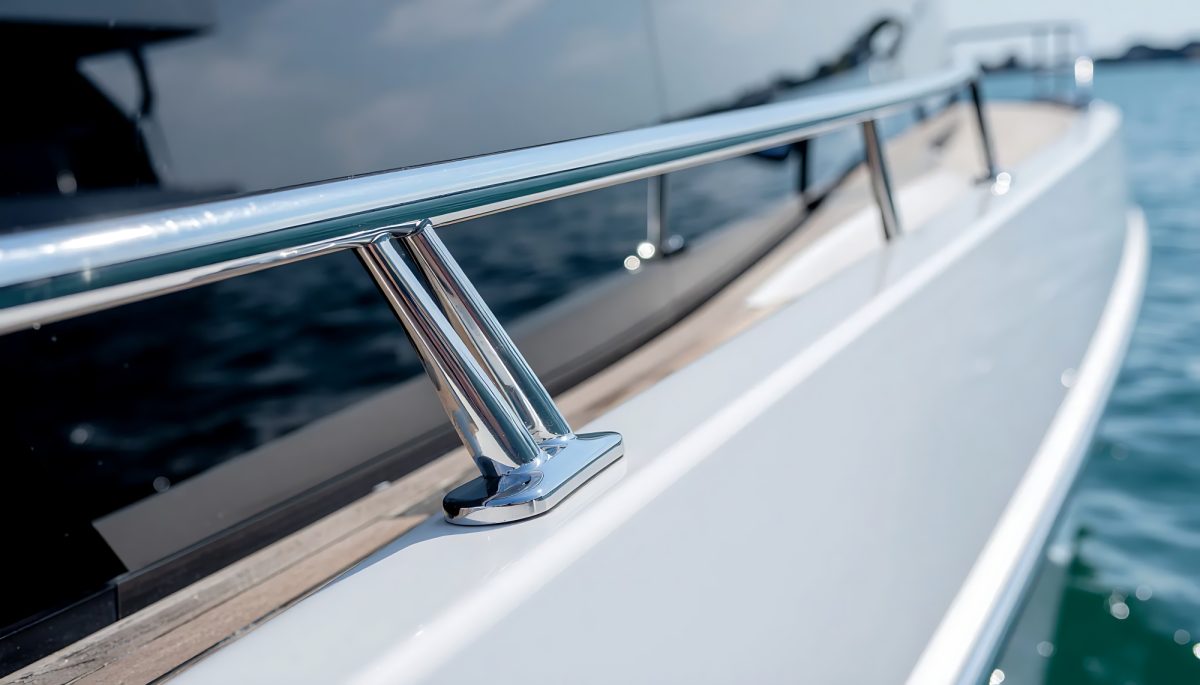
Choose 316 Stainless Steel If:
- Chlorides are present.
- Saltwater exposure is expected.
- Chemical resistance is critical.
- Marine applications are involved.
Choose 430 Stainless Steel If:
- Cost savings are a priority.
- Moderate corrosion resistance is sufficient.
- Decorative applications are involved.
- Magnetic properties are beneficial.

Choose 409 Stainless Steel If:
- High-temperature performance is important.
- Automotive exhaust applications are involved.
- Budget-conscious manufacturing is a priority.

Choose 303 Stainless Steel If:
- Extensive machining is required.
- Production efficiency is critical.
- Precision-machined components are being manufactured.
Common Stainless Steel Grades by Industry
| Industry | Common Grades |
|---|---|
| Food Processing | 304, 316 |
| Medical & Cleanroom | 304, 316 |
| Architecture | 304, 316 |
| Automotive | 301, 304, 409, 430 |
| Marine | 316, Duplex 2205 |
| Appliances | 430, 411 |
| Industrial Fabrication | 304, 316 |
| CNC Machining | 303 |
Frequently Asked Questions About Stainless Steel Grades
What is the most common stainless steel grade?
304 stainless steel is the most widely used grade because it provides an excellent balance of corrosion resistance, durability, weldability, and cost.
What is the difference between 304 and 316 stainless steel?
316 contains molybdenum, which improves corrosion resistance against chlorides, saltwater, and harsh chemical environments.
Is 430 stainless steel food grade?
430 stainless steel can be used in some food-related applications, but 304 is generally preferred due to its superior corrosion resistance and sanitation performance.
What stainless steel grades are magnetic?
Most 400 Series grades, including 409 and 430, are magnetic. Most 300 Series grades, including 304 and 316, are generally non-magnetic in their annealed condition.
What stainless steel grade is best for marine environments?
316 stainless steel and duplex stainless steels such as 2205 are commonly recommended for marine and coastal applications because of their enhanced chloride resistance.
How do I know which stainless steel grade is right for my project?
Consider:
- Corrosion exposure
- Fabrication requirements
- Weldability
- Operating temperatures
- Strength requirements
- Budget constraints
Working with an experienced stainless steel supplier can help ensure the selected grade meets your application's performance and cost objectives.
Key Takeaways
- Stainless steel grades are organized into families based on composition and performance characteristics.
- 300 Series grades offer excellent corrosion resistance and versatility.
- 400 Series grades provide cost-effective solutions with good heat resistance and magnetic properties.
- 304 remains the most widely used stainless steel grade.
- 316 is preferred for marine and chemical environments.
- Selecting the right grade improves performance, longevity, and total cost of ownership.
Related Stainless Steel Grade Resources
Grade Comparisons
- 301 Stainless Steel vs. 304 Stainless Steel
- 303 vs. 304 Stainless Steel
- 304L Stainless Steel vs. 304
- 304 vs. 430 Stainless Steel
- 316 Stainless Steel vs. 304 Stainless Steel
Grade Properties
Grade Selection
Understanding how stainless steel grades are classified—and when to use each one—can help manufacturers, engineers, and buyers make more