409 stainless steel is best known for its widespread use in automotive exhaust systems, including mufflers, tailpipes, exhaust manifolds, catalytic converter components, and heat shields. Its ability to withstand elevated temperatures and road exposure has made it a durable, affordable choice for automotive manufacturers for decades.
Blog
News filters list
Aug 28, 2026
The Value of 409 Stainless Steel in Budget-Conscious Projects

What Is 409 Stainless Steel?
409 stainless steel is a ferritic stainless steel designed to provide a cost-effective balance of corrosion resistance, heat resistance, durability, and formability. Containing approximately 11% chromium and little or no nickel, 409 offers a lower-cost alternative to many austenitic stainless steel grades while still delivering dependable performance in demanding environments. It is widely used in automotive, industrial, agricultural, and HVAC applications where maximum corrosion resistance is not required.
For manufacturers looking to control costs without sacrificing durability, 409 stainless steel often delivers the best combination of performance and value.
How Does 409 Stainless Steel Compare to Other Stainless Steel Grades?
One of the most important considerations when selecting stainless steel is understanding how different grades compare in terms of performance and cost.
Stainless Steel Grade Comparison
| Grade | Stainless Steel Family | Corrosion Resistance | Heat Resistance | Relative Cost | Common Applications |
|---|---|---|---|---|---|
| 304 | 300 Series Austenitic | Excellent | Very Good | Higher | Food processing, fabrication, architectural |
| 316 | 300 Series Austenitic | Superior | Very Good | Highest | Marine, chemical processing |
| 430 | 400 Series Ferritic | Moderate | Good | Lower | Appliances, decorative applications |
| 409 | 400 Series Ferritic | Moderate | Excellent | Low | Exhaust systems, HVAC, industrial equipment |
409 stainless steel occupies a unique position in the stainless steel market. It offers better corrosion and oxidation resistance than carbon steel while remaining more affordable than nickel-containing grades such as 304 and 316.
Related Grade Resources
What Type of Stainless Steel Is 409?
409 stainless steel belongs to the 400 Series ferritic stainless steel family. Ferritic grades differ from austenitic grades because they contain chromium but little or no nickel, making them more economical while maintaining good corrosion resistance and heat resistance.
Key characteristics of ferritic stainless steels include:
- Magnetic properties
- Good corrosion resistance
- Excellent oxidation resistance
- Lower cost than many 300 Series grades
- Strong performance in elevated-temperature applications
Other common ferritic grades include:
- 430 Stainless Steel
- 439 Stainless Steel
- 441 Stainless Steel
- 444 Stainless Steel
Is 409 Stainless Steel Magnetic?
Yes. 409 stainless steel is magnetic because it has a ferritic microstructure. This magnetic property is common among 400 Series stainless steel grades and can be beneficial in certain industrial, manufacturing, and automotive applications.
By comparison, many popular 300 Series grades—including 304 and 316 stainless steel—are generally non-magnetic in their annealed condition.
Does 409 Stainless Steel Rust?
Like all stainless steels, 409 can experience corrosion under certain conditions. However, it offers significantly better corrosion resistance than carbon steel and performs well in mildly corrosive environments and elevated-temperature applications.
409 stainless steel is particularly valued for its ability to resist:
- Oxidation from heat exposure
- Atmospheric corrosion
- Moisture-related degradation
- Automotive exhaust system conditions
While it may develop surface oxidation over time, especially in harsh environments, this typically does not compromise structural performance in its intended applications.
Is 409 Stainless Steel Better Than 304?
Neither grade is universally better—the right choice depends on the application.
Choose 409 Stainless Steel When:
- Cost control is a priority
- High-temperature performance is important
- Automotive exhaust applications are involved
- Moderate corrosion resistance is sufficient
Choose 304 Stainless Steel When:
- Maximum corrosion resistance is required
- Food processing equipment is involved
- A highly polished appearance is important
- The application requires extensive fabrication or welding flexibility
For many manufacturing applications, 409 provides a lower-cost solution while still delivering long-term performance and durability.
Common Applications for 409 Stainless Steel

Automotive Exhaust Systems
HVAC Equipment
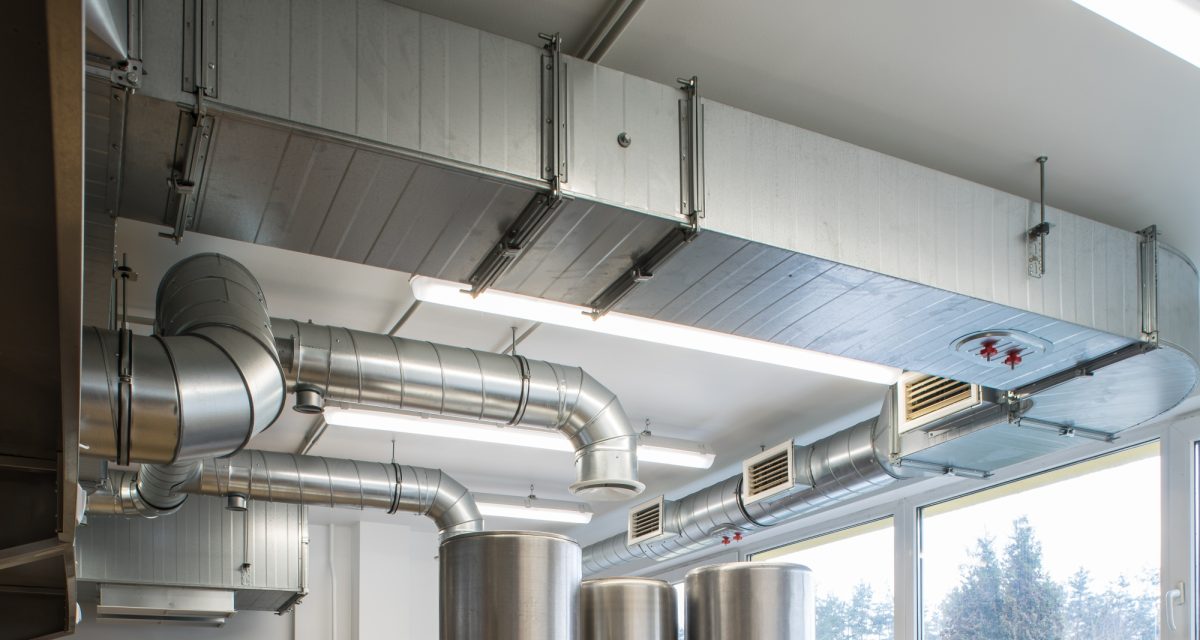
Heating, ventilation, and air conditioning systems often incorporate 409 stainless steel in components exposed to heat and moisture. Its oxidation resistance supports long service life in demanding operating conditions.

Agricultural Equipment
Agricultural environments expose equipment to weather, moisture, dirt, and temperature fluctuations. 409 stainless steel provides improved durability and corrosion resistance compared to painted carbon steel alternatives.
Industrial Equipment
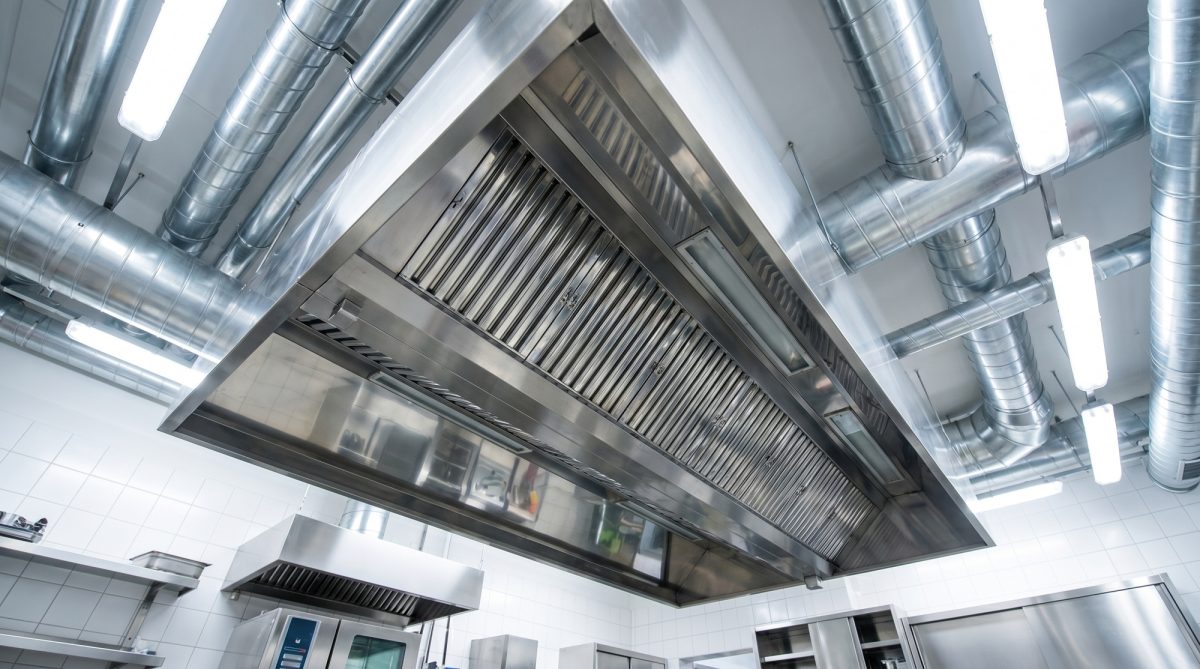
Industrial ductwork, furnace components, ventilation systems, and heat-processing equipment frequently use 409 stainless steel because it performs well in elevated-temperature environments while remaining cost-effective.

Food Service Structures
Certain support structures and food service applications that do not require the corrosion resistance of 304 stainless steel may benefit from the cost savings offered by 409.
Working With 409 Stainless Steel
Forming
409 stainless steel can be formed using conventional manufacturing processes. Its ductility supports bending, stamping, and shaping operations commonly used in automotive and industrial manufacturing. Cold working may modestly increase strength while maintaining performance characteristics.
Welding
409 is readily weldable using common fabrication methods, including:
- MIG welding
- TIG welding
In some applications, post-weld annealing may be considered to maximize corrosion resistance in welded areas.
Machining
While not considered a free-machining stainless steel, 409 machines effectively when proper speeds, feeds, tooling, and lubrication are used. Fabricators frequently choose 409 when balancing production efficiency with material performance.
Typical Properties of 409 Stainless Steel
| Property | Typica Characteristics |
|---|---|
| Stainless Steel Family | Ferritic (400 Series) |
| Magnetic | Yes |
| Corrosion Resistance | Moderate |
| Heat Resistance | Excellent |
| Weldability | Good |
| Formability | Good |
| Relative Cost | Low |
| Common Industries | Automotive, HVAC, Agriculture, Industrial Manufacturing |
Frequently Asked Questions About 409 Stainless Steel
What is 409 stainless steel?
409 stainless steel is a ferritic stainless steel grade known for its combination of heat resistance, moderate corrosion resistance, formability, and value-oriented pricing. It is commonly used in automotive exhaust systems and industrial applications.
Is 409 stainless steel magnetic?
Yes. Because it belongs to the ferritic stainless steel family, 409 stainless steel is magnetic.
Does 409 stainless steel rust?
409 offers significantly better corrosion resistance than carbon steel but can experience surface corrosion under certain conditions. It is designed primarily for heat resistance and value-driven applications.
Is 409 stainless steel cheaper than 304?
Generally, yes. The lower nickel content in 409 stainless steel helps make it a more economical option than 304 stainless steel.
Can 409 stainless steel be welded?
Yes. 409 stainless steel can be welded using conventional methods including TIG and MIG welding.
When should I choose 409 over 304?
Choose 409 when heat resistance, cost efficiency, and durability are priorities and maximum corrosion resistance is not required.
Key Takeaways
- 409 stainless steel is a cost-effective ferritic stainless steel grade.
- It provides excellent heat and oxidation resistance.
- It is widely used in automotive exhaust systems, HVAC equipment, agricultural equipment, and industrial applications.
- 409 stainless steel is magnetic and offers moderate corrosion resistance.
- While 304 provides greater corrosion resistance, 409 often delivers the best value for high-volume, budget-conscious manufacturing projects.
Related Stainless Steel Resources
- Understanding Stainless Steel Grading Systems
- 304 vs. 430 Stainless Steel: Key Differences Explained
- 316 Stainless Steel vs. 304 Stainless Steel
- Can 304 Stainless Steel Rust?
- Is 304 Stainless Steel Magnetic?
- Stainless Steel Grades & Specifications Guide
For manufacturers seeking a balance of performance, reliability, and cost control, 409 stainless steel continues to be one of the most practical stainless steel grades available.