How to Choose the Right Stainless Steel Supplier: A Complete Buyer's Guide
Choosing a stainless steel supplier is about far more than finding available inventory. The right supplier can help reduce lead times, improve material quality, simplify production, support compliance requirements, and strengthen your entire supply chain. Whether you're sourcing stainless steel for manufacturing, fabrication, construction, food processing, or industrial applications, selecting the right supplier can have a direct impact on project success, operational efficiency, and long-term costs.
A reliable stainless steel supplier becomes more than a vendor; they become a strategic partner who helps ensure material availability, product quality, technical accuracy, and consistent performance over time.
Quick Answer: How Do You Choose the Right Stainless Steel Supplier?
The best stainless steel supplier should offer reliable inventory, material traceability, precision processing capabilities, technical expertise, responsive customer service, and dependable delivery. Buyers should evaluate suppliers on their ability to support both immediate material requirements and long-term supply chain needs rather than focusing on price alone.
What Should You Look for in a Stainless Steel Supplier?
When evaluating potential suppliers, there are several key factors that can help separate a trusted long-term partner from a simple material distributor.
Stainless Steel Supplier Evaluation Checklist
| Evaluation Area | What to Look For |
|---|---|
| Inventory Availability | Multiple grades, gauges, and finishes |
| Processing Capabilities | Slitting, cut-to-length, blanking, etc. |
| Quality Assurance | ISO certification and ASTM compliance |
| Material Traceability | Mill Test Reports (MTRs) |
| Delivery Performance | Consistent inventory and reliable lead times |
| Technical Support | Material and application expertise |
| Sustainability | Recycled content and environmental support |
| Industry Experience | Reputation, longevity, and financial stability |
1. Product Range and Inventory Availability
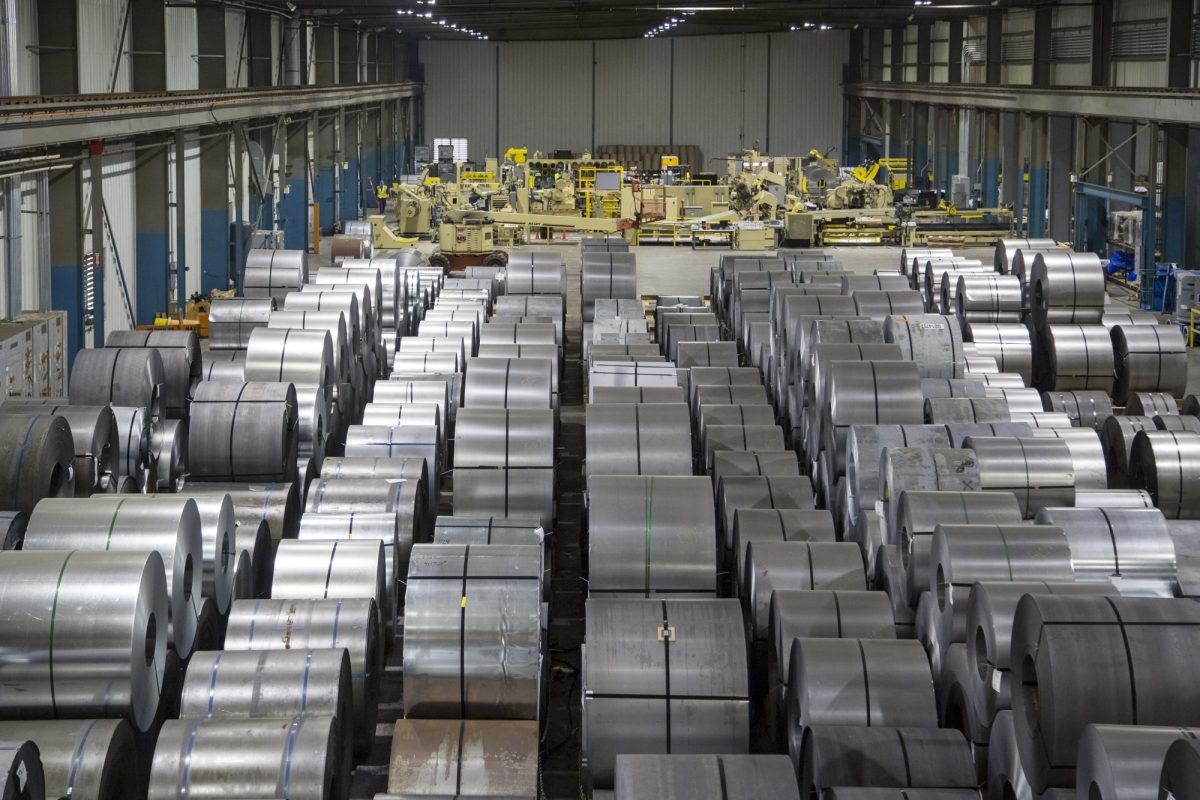
Inventory availability is one of the most important considerations when selecting a stainless steel supplier. A strong supplier should maintain a broad inventory of commonly specified grades and products while also supporting specialty applications when needed.
Look for suppliers that offer:
- 304 stainless steel
- 316 stainless steel
- 430 stainless steel
- Various gauges and thicknesses
- Multiple finishes
- Coil, sheet, plate, and blanks
A supplier with sufficient inventory can help prevent costly project delays and minimize supply chain disruptions.
2. Processing Capabilities
The best suppliers do more than simply stock material. They help customers eliminate unnecessary processing steps and improve production efficiency.
Common value-added processing services include:
- Slitting
- Cut-to-length
- Blanking
- Multi-blanking
- Polishing
- Protective film application
Why Processing Capabilities Matter
Receiving production-ready material can:
- Reduce labor costs
- Improve throughput
- Minimize waste
- Shorten manufacturing cycles
- Simplify inventory management
A supplier with extensive processing capabilities often becomes a valuable extension of your manufacturing operation.
3. Geographic Reach and Delivery Performance
Many buyers begin their search with the phrase:
"stainless steel supplier near me."
There is a good reason for this. Supplier proximity can significantly impact shipping costs, delivery speed, and overall responsiveness.
Benefits of working with a nearby supplier include:
- Faster delivery times
- Reduced freight costs
- Improved communication
- Better responsiveness during emergencies
However, nationwide suppliers with strategically located service centers can often provide many of the same advantages while offering broader inventory availability.
4. Quality Assurance and Material Traceability
Quality assurance should never be treated as optional.
Every shipment should meet industry standards and project specifications while providing complete transparency into material origin and performance.
Look for Suppliers That Provide:
- Mill Test Reports (MTRs)
- Material certifications
- ASTM-compliant products
- ISO-certified quality systems
- Documented inspection procedures
These safeguards help ensure that incoming material meets chemical, mechanical, and dimensional requirements.
Why Are Mill Test Reports Important?
Mill Test Reports (MTRs) verify a material's:
- Chemical composition
- Mechanical properties
- Heat number
- Specification compliance
MTRs provide traceability and help buyers verify that the material received matches project requirements and industry standards
5. Technical Expertise and Customer Support
A supplier should provide more than order fulfillment.
The best suppliers help customers make better purchasing decisions and solve technical challenges before they become costly problems.
Valuable Supplier Expertise Includes:
- Stainless steel grade selection
- Surface finish recommendations
- Welding considerations
- Corrosion-resistance guidance
- Fabrication recommendations
- Market and pricing insights
Technical expertise can help buyers select the most cost-effective material for their application while avoiding specification mistakes.
6. Sustainability and Responsible Sourcing
Sustainability has become an increasingly important factor in supplier selection.
Organizations pursuing environmental goals, LEED certification, or ESG initiatives often seek suppliers that support responsible sourcing practices.
Suppliers that support sustainability initiatives can help organizations meet both regulatory and customer expectations.
7. Financial Stability and Industry Reputation
Supplier relationships often extend for years. Choosing a financially stable partner can help reduce supply risk and improve long-term reliability.
Indicators of a Strong Supplier
- Large inventory investments
- Long operating history
- Positive customer reputation
- Industry certifications
- Continuous investments in equipment and facilities
Companies with established reputations are often better positioned to maintain service levels during market fluctuations and supply-chain disruptions.
Questions to Ask a Stainless Steel Supplier Before Buying
Before placing an order, buyers should ask several important questions.
Supplier Evaluation Questions
- What grades do you stock?
- What finishes and gauges are available?
- Can you provide Mill Test Reports?
- What certifications do you maintain?
- What processing services do you offer?
- What are your standard lead times?
- Do you support inventory management programs?
- Can you assist with material selection?
The answers to these questions often reveal significant differences between suppliers.
Warning Signs of a Poor Stainless Steel Supplier
Not every supplier is capable of supporting long-term success.
Red Flags to Watch For
- Limited inventory selection
- Inability to provide certifications
- Lack of Mill Test Reports
- Poor communication
- Unclear lead times
- No processing capabilities
- Weak technical support
- Inconsistent delivery performance
These warning signs can increase the risk of delays, quality issues, and unnecessary production costs.
Frequently Asked Questions About Stainless Steel Suppliers
What should I look for in a stainless steel supplier?
Look for inventory availability, certifications, material traceability, processing capabilities, technical expertise, and responsive customer support.
Why are Mill Test Reports important?
Mill Test Reports verify a material's chemical composition and mechanical properties and provide traceability for quality assurance purposes.
What certifications should a stainless steel supplier have?
Many buyers seek suppliers with ISO certifications, ASTM-compliant material programs, and documented quality management systems.
Should I choose a local stainless steel supplier?
Local suppliers can provide faster delivery and responsive service. However, national suppliers with multiple distribution centers may offer broader inventory while still maintaining regional support.
Why are processing capabilities important?
Processing services help reduce manufacturing steps, improve efficiency, lower labor costs, and reduce material waste.
What is the most important factor when selecting a supplier?
Inventory availability, quality assurance, technical expertise, and delivery reliability are typically among the most important evaluation criteria.
Key Takeaways
- The right stainless steel supplier should be a strategic partner, not just a material provider.
- Inventory availability, certifications, and technical expertise are critical evaluation factors.
- Processing capabilities can improve efficiency and reduce overall production costs.
- Material traceability and Mill Test Reports help ensure quality and compliance.
- Long-term supplier relationships can strengthen supply-chain performance and reduce risk.
- Buyers should evaluate suppliers holistically rather than selecting based solely on price.
Related Buying Resources
Buying Stainless Steel
- The Complete Guide to Stainless Steel Sheet: Grades, Sizes, and Applications
- Your Trusted Stainless Steel Coil Supplier & Distributor
- Understanding Stainless Steel Thickness Tolerances
Grade Selection
Selecting the right stainless steel supplier can significantly impact product quality, production efficiency, inventory management, and overall business performance. By evaluating suppliers across inventory, quality, processing, expertise, and reliability, buyers can make more informed purchasing decisions and build stronger long-term supply partnerships.