Request a quote or contact us today to ensure your supply chain keeps pace.
Blog
News filters list
May 20, 2026
The Overlooked Driver of Metal Roofing in Colorado: Insurance Requirements
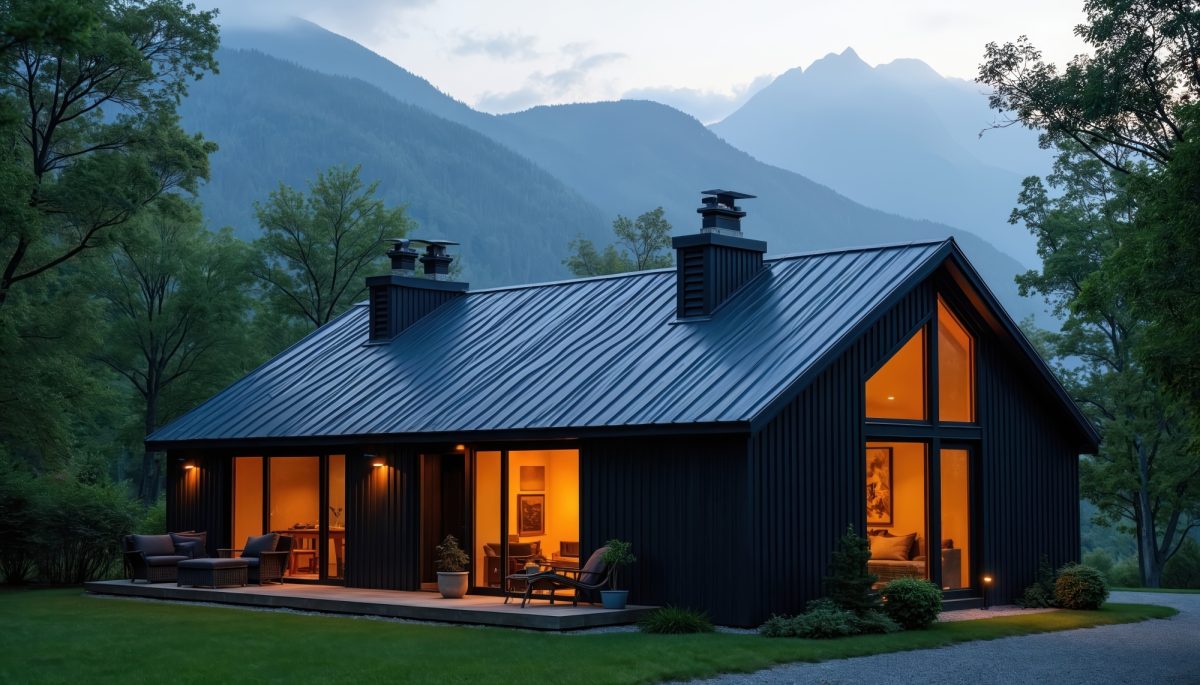
Many builders in Colorado are discovering that meeting building code is no longer enough to guarantee insurability.
Insurance companies are increasingly evaluating wildfire risk when underwriting homes and commercial buildings in wildfire-prone areas, and insurance costs are rising.
In many cases, insurers are:
- refusing to insure homes with certain roofing materials
- requiring wildfire mitigation upgrades
- increasing premiums for combustible materials
- offering discounts for fire-resistant construction
Organizations like the Insurance Institute for Business & Home Safety and the Rocky Mountain Insurance Information Association have both documented the growing insurance pressure in wildfire-exposed states like Colorado.
Why Roofing Materials Matter to Insurers
In a wildfire event, roofs are one of the most vulnerable components of a structure.
Wind-driven embers can travel miles ahead of the main fire front and land on roofs, gutters, and vents.
Combustible materials can ignite quickly when exposed to embers or radiant heat.
Because of this risk, insurers often look for Class A fire-rated roofing systems, which are the highest fire-resistance classification under testing standards referenced by the International Code Council.
Metal roofing systems commonly achieve Class A ratings when installed as part of a tested assembly.
Insurance Is Quietly Changing Material Decisions
While building codes set minimum requirements, insurance companies often set practical requirements for financing and project viability.
Builders are increasingly reporting that projects may face:
- delayed insurance approval
- higher premiums
- additional mitigation requirements
when combustible materials are used in wildfire-exposed areas.
In contrast, buildings using non-combustible materials such as steel roofing or steel siding systems may see:
- improved insurability
- reduced wildfire risk classification
- potential insurance incentives
Why This Matters for Roll Formers and Metal Manufacturers
This insurance trend creates a secondary demand driver for metal construction materials.
Even when code allows multiple material types, builders may choose steel roofing or siding systems because they are easier to insure.
For manufacturers producing those systems, that means increasing demand for:
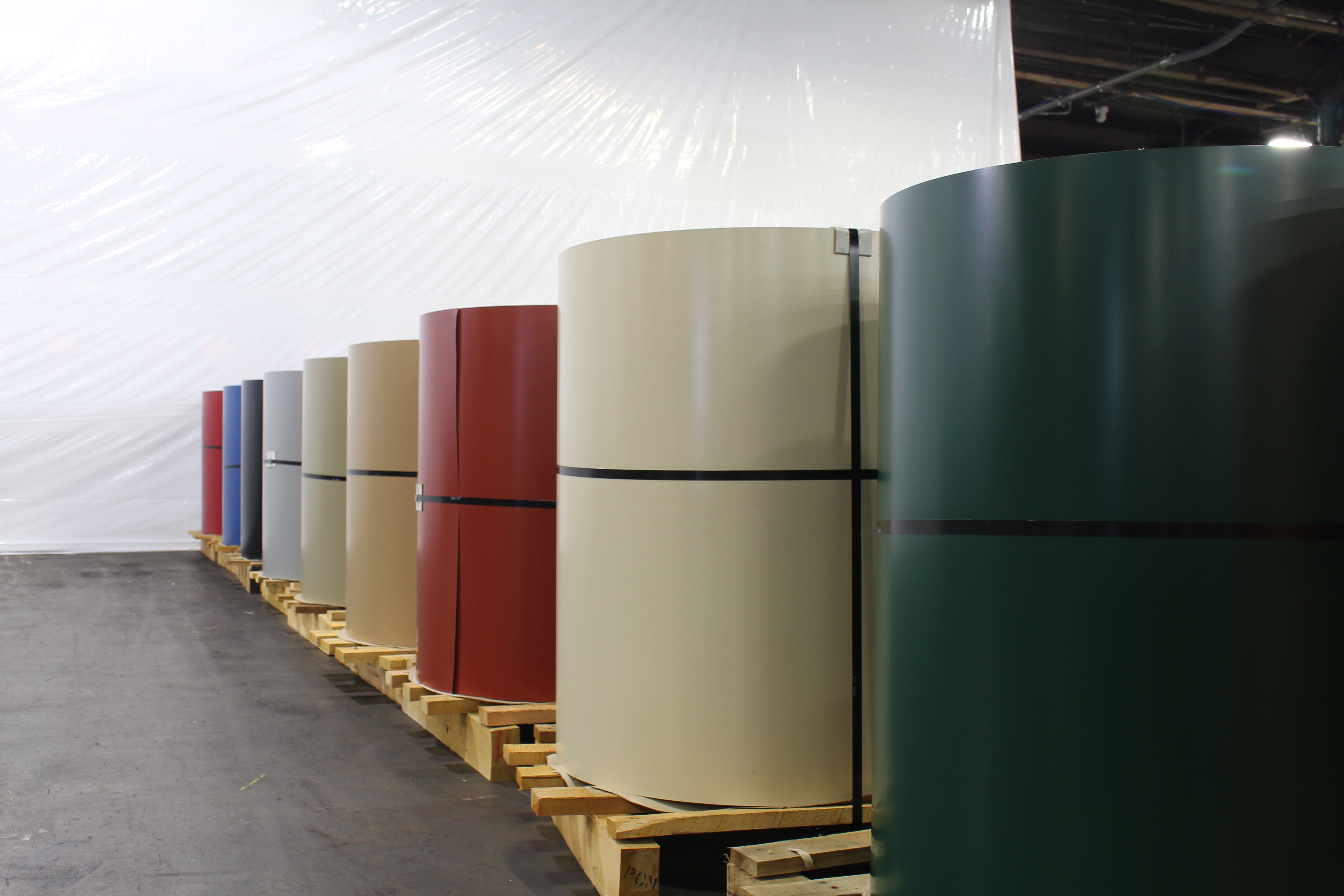
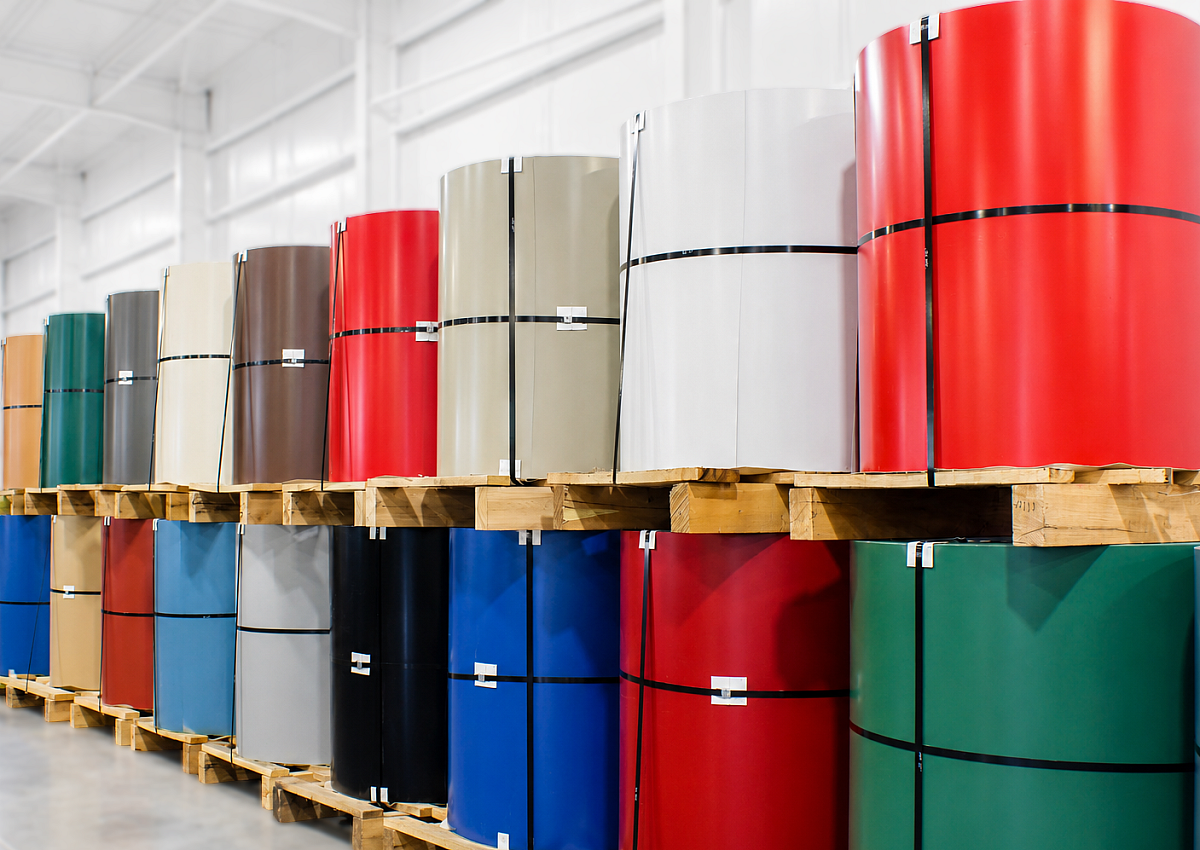
As this demand grows, manufacturers need reliable access to coated steel inventory from a dependable metal coil supplier.
A New Reality for Construction Supply Chains
Wildfire mitigation policy, insurance underwriting, and building code updates are now working together to influence construction materials in Colorado.
For manufacturers producing roofing panels, siding systems, and architectural components, this means:
- demand for non-combustible materials is likely to increase
- coating durability and corrosion resistance remain critical
- supply chain reliability becomes more important as production demand rises
Working with a reliable metal distribution partner helps ensure manufacturers can meet these evolving market needs. Our team works closely with manufacturers and roll formers to ensure they have the coated steel inventory and supply reliability needed to succeed in competitive construction markets.
Request a quote or contact us today to discuss your metal needs.