Colorado's Energy & Wildfire Codes Push Shift to Building With Steel
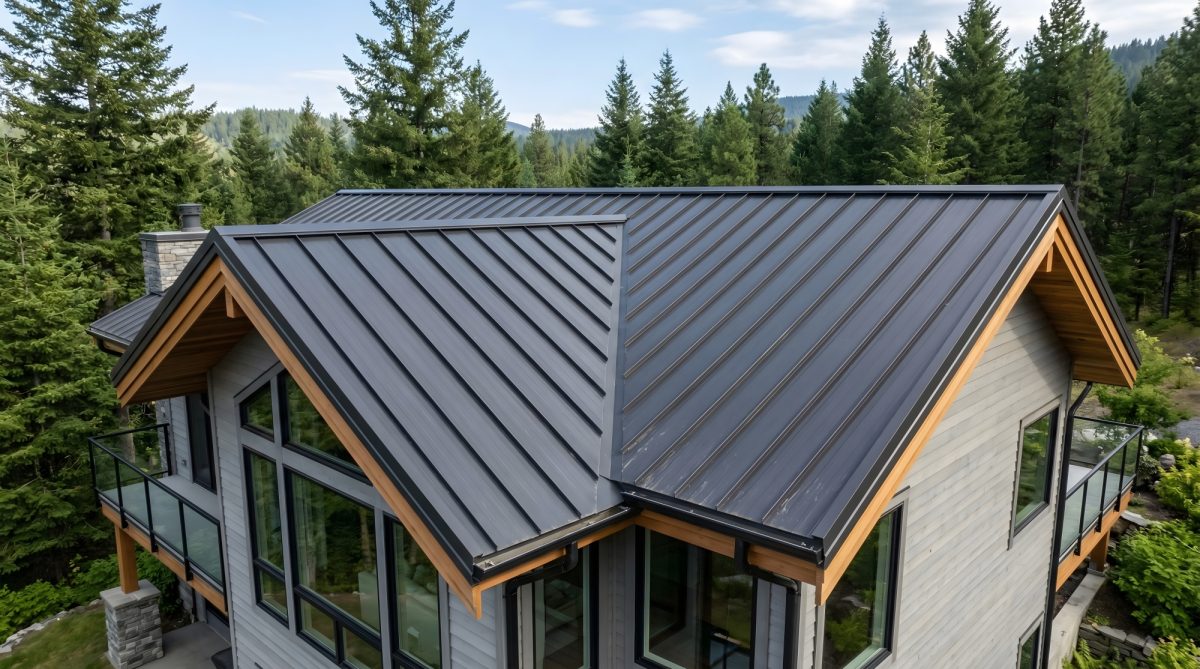
Across the Mountain West, construction practices are evolving quickly. In Colorado, new building standards, wildfire mitigation requirements, and aggressive sustainability goals are increasingly pushing architects, builders, and developers toward non-combustible building materials.
One result of this is the growing demand for steel and coated metal products across roofing, siding, structural components, and architectural applications.
For companies sourcing raw materials, this shift is creating new opportunities—and new supply chain pressures. Builders and manufacturers need reliable coil supply with consistent coatings.
At Mill Steel Company, we’re seeing these changes firsthand as more manufacturers and fabricators across the Mountain West explore building with steel to meet evolving regulations while maintaining cost efficiency and durability.
Below is a closer look at why Colorado is accelerating the use of metal in construction and what it means for the supply chain.
1. Wildfire Mitigation Is Driving Non-Combustible Construction
Colorado has experienced some of the most destructive wildfires in state history over the past decade. Events like the Marshall Fire have pushed local governments and building authorities to strengthen codes aimed at reducing ignition risk in residential and commercial structures.
Wildfire risk is increasingly shaping how buildings are designed and constructed across Colorado — particularly in rapidly growing areas near the wildland-urban interface (WUI). These areas, where human development meets natural landscapes, are classified as WUI zones and face elevated wildfire exposure.
As a result, developers, architects, and contractors are placing greater emphasis on ignition-resistant and non-combustible building materials like steel.
In 2025, the Colorado Wildfire Resiliency Code Board adopted the Colorado Wildfire Resiliency Code (CWRC), establishing statewide minimum standards for wildfire-resistant construction in designated WUI areas. Under Senate Bill 23-166, local jurisdictions with qualifying WUI zones are required to adopt codes that meet or exceed the state standards.
What the CWRC Focuses On
- Structure hardening
- Defensible space requirements
- Ignition-resistant construction materials
- Reduced wildfire fuel exposure around buildings
For builders and property owners, determining whether a project falls within a WUI-designated area is becoming a critical early step in planning and estimating. Colorado’s official WUI map allows users to search properties and identify whether additional wildfire resiliency requirements may apply:
Colorado Wildfire Resiliency Code WUI Map
What This Means for the Supply Chain
As wildfire resiliency requirements expand across Colorado and the Mountain West, supply chains will need to adapt alongside evolving building codes. Builders may face increased demand for:
- Non-combustible framing materials
- Steel roofing and siding systems
- Fire-resistant wall assemblies
- Faster material availability and regional inventory access
This shift is expected to place greater importance on sourcing partners that can provide consistent inventory, processing capabilities, and shorter lead times for steel and other ignition-resistant materials.
Steel is well-positioned to support these evolving requirements. Unlike combustible materials, steel framing and metal roofing systems do not contribute fuel to a fire event and can help improve overall building resiliency for commercial, industrial, agricultural, and residential construction projects.
2. Energy Efficiency Standards Favor Metal Roofing and Cladding
Colorado has also adopted increasingly stringent energy codes based on the International Code Council energy standards.
These codes emphasize:
- Reflective roofing materials
- Long-life building envelopes
- Reduced lifecycle energy consumption
Cool roof systems made from painted and reflective coated steel can help builders meet energy efficiency targets while improving building performance.
Metal roofing systems are often specified because they can:
- Reflect solar heat
- Reduce cooling loads
- Integrate easily with solar installations
- Deliver long service life
You can learn more about painted and coated metal roofing in our recent blog: Understanding Solar Reflectivity: A Buyer’s Guide to Cool Roofing & Metal Building Performance.
For manufacturers producing roofing systems, access to consistent painted coil inventory from a trusted coated steel supplier becomes a critical part of delivering compliant products.
3. Sustainability Goals Are Reinforcing Steel’s Advantages
Colorado has set ambitious sustainability and carbon-reduction goals across construction and infrastructure. Compared to many traditional building materials, steel offers several advantages:
- 100% recyclability
- Long service life
- Reduced material waste
- Efficient manufacturing processes
Steel also supports prefabrication and panelized construction, helping builders improve efficiency and reduce onsite labor challenges.
Organizations like the U.S. Green Building Council continue to emphasize the role of durable and recyclable materials in sustainable construction.
As sustainability initiatives expand across the Mountain West, the ability to source high-quality metal coil inventory from a dependable metal coil supplier becomes increasingly important.
4. What This Means for Metal Buyers and Manufacturers
For manufacturers and roll formers supplying the construction market, the shift toward steel creates both opportunity and pressure.
Demand is growing, but success depends on having a metal distribution partner who can support:
- Consistent coated coil supply
- Flexible inventory programs
- Reliable logistics to the Mountain West
- Technical expertise on coatings and substrates
Companies producing roofing panels, siding, trim, or architectural components rely on precision coil supply to maintain production schedules and meet tight project timelines.
In volatile markets, supply reliability becomes just as important as material performance.
Why More Manufacturers Are Choosing Mill Steel
For over six decades, Mill Steel Company has built its reputation as a trusted metal supplier serving manufacturers across North America.
Our customers rely on us for:
- Vast coil and sheet inventory, including but not limited to: steel, stainless, and aluminum
- Painted and specialty coating expertise
- Reliable delivery schedules
- Prompt customer service
- Processing capabilities that keep production lines moving
As construction demand evolves across Colorado and the broader Mountain West, we’re continuing to invest in our capabilities so we can remain a true metal distribution partner to our customers.
Because in this industry, supply chains matter – and when projects depend on your timely schedule, you need a partner who shows up.
Learn More About Coated Steel for Construction Applications
If you're evaluating materials for roofing, siding, or architectural metal products, these resources may be helpful:
Or explore Mill Steel’s coated product offerings here:
Our team works closely with manufacturers and roll formers to ensure they have the coated steel inventory and supply reliability needed to succeed in competitive construction markets.
Request a quote or contact us today to discuss your metal needs.