Gloss, Texture, and Film Thickness: Coil Coating Specs That Actually Matter
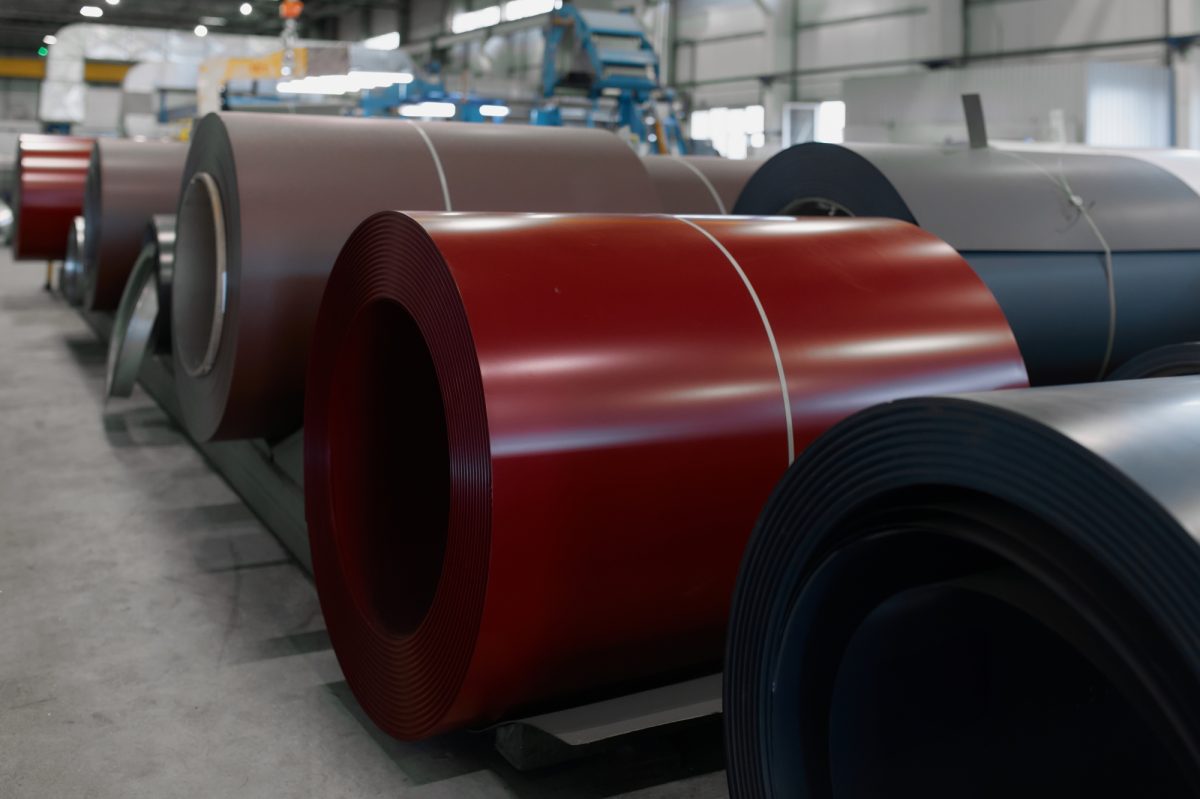
When you’re sourcing painted or coated steel, the spec sheet can feel like a checklist of numbers that don’t always translate to real-world performance. Gloss levels, texture profiles, and film thickness are often treated as secondary details—until something goes wrong in the field.
At Mill Steel Company, we’ve worked alongside OEMs, fabricators, and contractors long enough to know this: the right coating specs directly impact durability, formability, and long-term cost. Efficiency and margin pressure are constant so understanding these variables isn’t optional – it’s a competitive advantage.
This guide breaks down the coil coating specifications that actually matter and how to use them to make smarter buying decisions.
Why These Specs Matter More Than You Think
Whether you’re building with steel for roofing, siding, agricultural structures, or industrial applications, coating performance is often the difference between a project that holds up for decades and one that generates callbacks.
Gloss, texture, and film thickness influence:
- Corrosion resistance
- UV stability and fade performance
- Formability during fabrication
- Perceived product quality
- Long-term maintenance costs
Choosing the right combination isn’t about over-specifying—it’s about aligning performance with the environment and application.
Gloss: More Than Just Shine
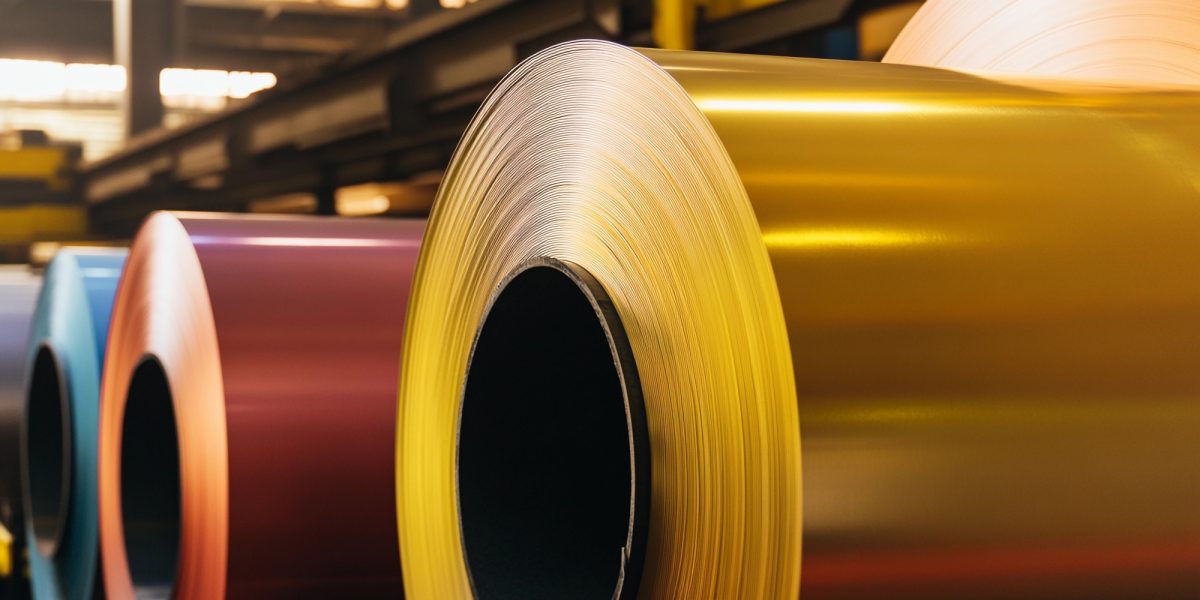
What is Gloss?
Gloss measures how much light reflects off a coated surface. It’s typically measured at a 60-degree angle using a gloss meter and expressed in gloss units (GU).
- High gloss (70+ GU): Highly reflective, smooth appearance
- Medium gloss (30–70 GU): Balanced finish
- Low gloss (under 30 GU): Matte or subdued look
Why Gloss Matters in Coil Coating
Gloss isn’t just aesthetic—it’s tied directly to coating chemistry and performance.
1. Durability and UV Resistance
Higher-performance coatings like PVDF (Polyvinylidene Fluoride)—commonly known under the brand Kynar®—are often formulated with controlled gloss levels to maximize UV resistance.
Lower gloss finishes tend to:
- Reduce visible fading over time
- Mask surface imperfections
- Provide a more consistent appearance across large installations
Higher gloss finishes:
- Enhance color vibrancy
- Show more surface variation and oil canning
- May highlight inconsistencies in fabrication
2. Application Fit
- Architectural panels: Often specify lower gloss for uniformity
- Agricultural buildings: Medium gloss for balance of cost and performance
- Interior applications: Higher gloss may be acceptable
3. Consistency Across Coils
One overlooked factor: gloss variation between coils. Even slight differences can be noticeable when panels are installed side-by-side.
A reliable steel coil supplier should maintain tight gloss tolerances across inventory – something we prioritize at Mill Steel to ensure continuity from coil to coil.
Texture: Performance Meets Practicality
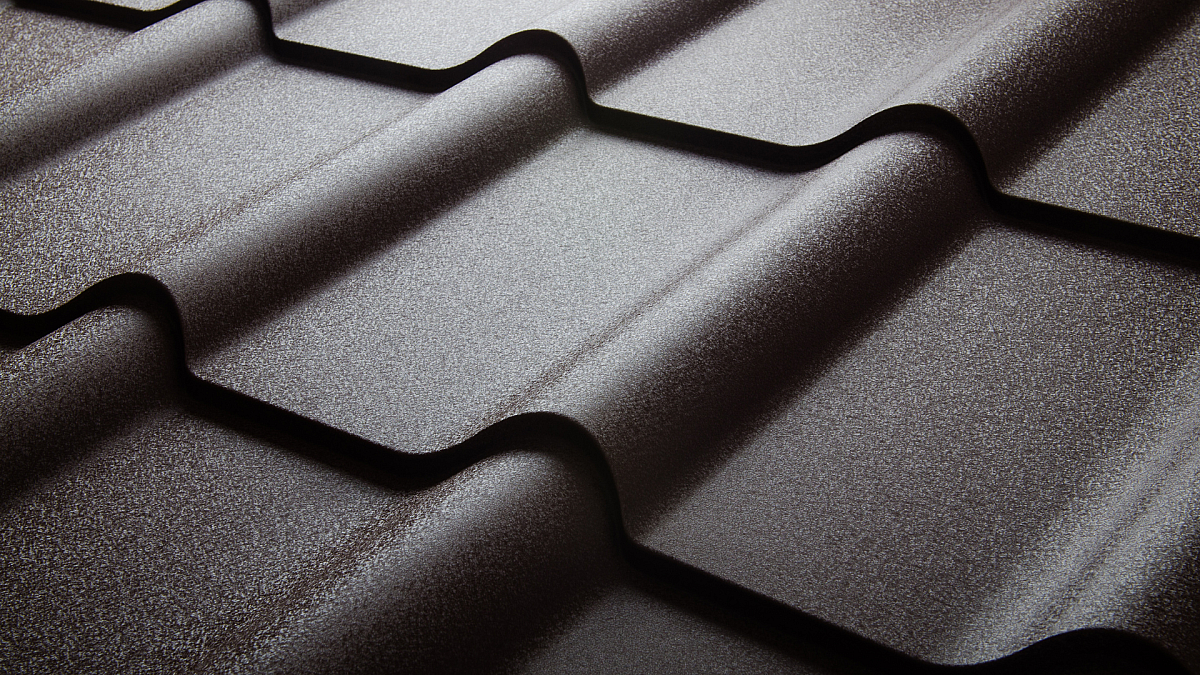
What is Texture in Coil Coatings?
Texture refers to the surface profile of the coated steel—ranging from smooth to embossed or wrinkled finishes.
Common texture types include:
- Smooth
- Embossed (e.g., woodgrain, stucco)
- Wrinkle or matte textured finishes
Why Texture Matters
1. Aesthetic Control
Texture helps mask:
- Oil canning
- Substrate imperfections
- Handling marks
This is especially valuable in large wall or roof applications where visual consistency is critical.
2. Durability Enhancement
Textured coatings can:
- Improve scratch resistance
- Reduce visible wear over time
- Provide better grip during handling and installation
3. Functional Benefits
In certain applications, texture can:
- Reduce glare (important for roofing)
- Improve walkability during installation
- Enhance perceived product quality
4. Impact on Forming
Not all textures behave the same during fabrication.
- Heavier textures may crack if over-formed
- Some embossed finishes require tighter forming tolerances
Working with a knowledgeable coated steel supplier ensures the texture aligns with your forming requirements—not just your aesthetic goals.
Film Thickness: The Most Critical (and Misunderstood) Spec
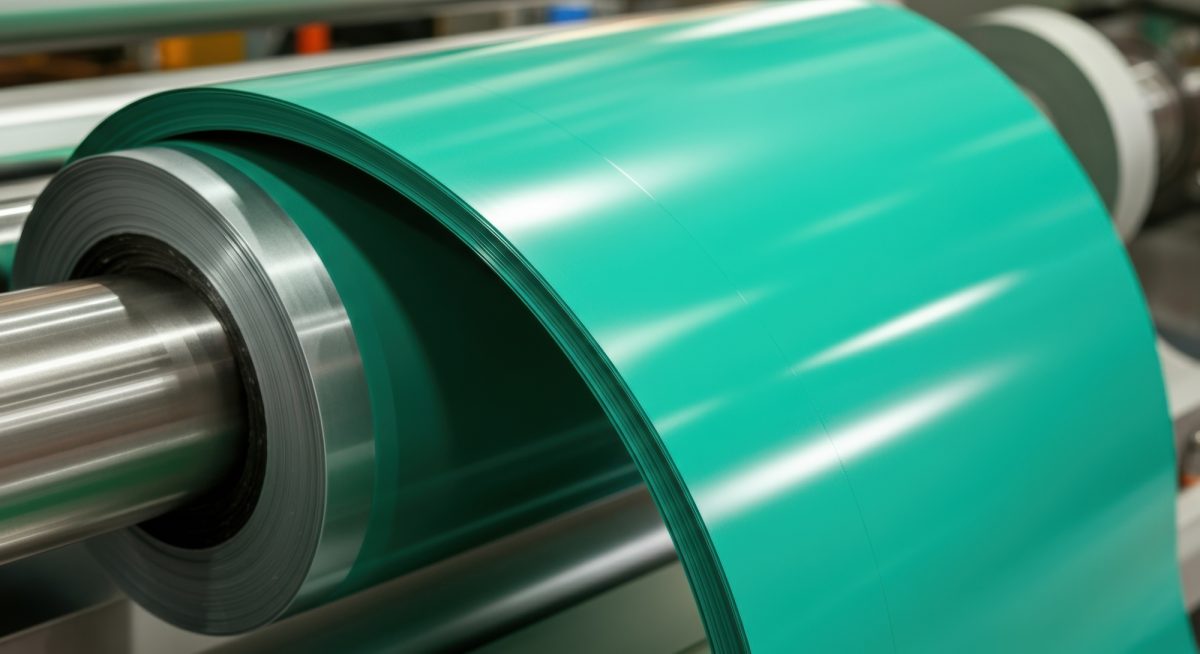
What is Film Thickness?
Film thickness refers to the total thickness of the coating system applied to the steel substrate, typically measured in mils (1 mil = 0.001 inch).
It includes:
- Primer layer
- Topcoat layer
- (Sometimes) Backer coat
Why Film Thickness Matters
If there’s one spec that directly correlates to long-term performance, it’s film thickness.
1. Corrosion Protection
Thicker coatings provide:
- Better barrier protection against moisture and contaminants
- Improved resistance in harsh environments (coastal, industrial, agricultural)
2. UV Resistance and Fade Protection
Premium systems like PVDF/Kynar coatings rely on sufficient film build to deliver:
- Superior color retention
- Resistance to chalking
- Long-term gloss stability
3. Formability Trade-Offs
More isn’t always better.
- Thicker coatings can crack during tight bends
- Thinner coatings may not provide adequate protection
The goal is balance—matching film thickness to both the environment and fabrication requirements.
Typical Film Thickness Ranges
While specs vary by application, here are general guidelines:
- Polyester systems: ~0.8–1.0 mil topcoat
- Silicone-modified polyester (SMP): ~0.8–1.2 mil
- PVDF (Kynar): ~0.9–1.2 mil topcoat + primer
Backer coats typically range from:
- 0.3–0.5 mil
For a deeper dive into coating systems and how they compare, check out our blog: The Complete Guide to Painted & Coated Steel Coil.
How These Specs Work Together
It’s not about choosing gloss, texture, and thickness independently—they function as a system.
Example 1: Architectural Exterior Panel
- Coating: PVDF (Kynar)
- Gloss: Low (20–30 GU)
- Texture: Smooth or subtle matte
- Film Thickness: ~1.0 mil topcoat
Why it works:
Low gloss minimizes visual variation, while PVDF chemistry and adequate film thickness ensure long-term color retention.
Example 2: Agricultural Building
- Coating: SMP or polyester
- Gloss: Medium
- Texture: Light embossed
- Film Thickness: Moderate
Why it works:
Balances cost with durability, while texture helps mask wear in demanding environments.
Example 3: Industrial Application
- Coating: High-performance system (often PVDF)
- Gloss: Low to medium
- Texture: Application-dependent
- Film Thickness: Higher end of range
Why it works:
Industrial environments demand stronger corrosion resistance—film thickness becomes critical.
Common Mistakes Buyers Make
Even experienced buyers can run into issues when these specs are overlooked.
1. Focusing Only on Price Per Ton
Lower-cost coatings often mean:
- Thinner films
- Lower-performance resins
- Shorter lifespan
That “savings” can disappear quickly in maintenance or replacement costs.
2. Ignoring End-Use Environment
Coastal, agricultural, and industrial environments demand different coating strategies.
For example:
- Salt exposure requires higher film thickness and premium coatings
- Agricultural environments introduce ammonia and moisture
3. Overlooking Coil-to-Coil Consistency
Inconsistent gloss or texture across coils can create visible variation after installation.
A reliable metal distributor should provide:
- Tight quality control
- Consistent sourcing
- Clear documentation
4. Not Aligning Coating with Fabrication
Some coatings perform well in the field—but fail during forming.
Always consider:
- Bend radii
- Roll forming requirements
- Fabrication stresses
Industry Standards and Testing
Coil coatings are governed by strict performance standards. For credible, detailed technical guidelines, refer to the National Coil Coating Association (NCCA).
They provide insights into:
- Coating processes
- Testing standards
- Performance expectations
Understanding these standards helps ensure you’re comparing apples to apples when evaluating suppliers.
Why Your Supplier Matters
Specs are only as good as the supplier behind them.
At Mill Steel, we understand that buyers today are under pressure to:
- Reduce costs
- Improve efficiency
- Deliver consistent quality
That’s why we focus on:
- Deep inventory of coated products, including PVDF/Kynar systems
- Tight quality control on gloss, texture, and film thickness
- Strategic sourcing to ensure consistency across coils
- Responsive service that keeps your projects moving
We don’t just supply metal—we help you make better decisions that protect your margins and your reputation.
Internal Resources to Support Your Decision
To continue building your knowledge and making informed sourcing decisions, explore our other blogs:
- The Complete Guide to Painted & Coated Steel Coil
- How to Choose Coil Coatings Based on Environment: Coastal, Agricultural, and Industrial
- Fade, Chalk, Crack, or Peel? Which Coil Coating Defends Against What
These resources are designed to give you a full-picture understanding of coating performance beyond just specs on a page.
Final Takeaway: Spec Smarter, Not Heavier
Gloss, texture, and film thickness aren’t just technical details—they’re levers you can pull to optimize performance, cost, and long-term value.
The key isn’t to over-engineer every project. It’s to align coating specs with:
- The environment
- The application
- The fabrication process
That’s where the right metal coil supplier makes a difference.
Mill Steel is committed to being that partner—helping you navigate complexity, reduce risk, and deliver quality steel and aluminum that hold up over time.
Shop our inventory online or contact us today to discuss your next project needs.