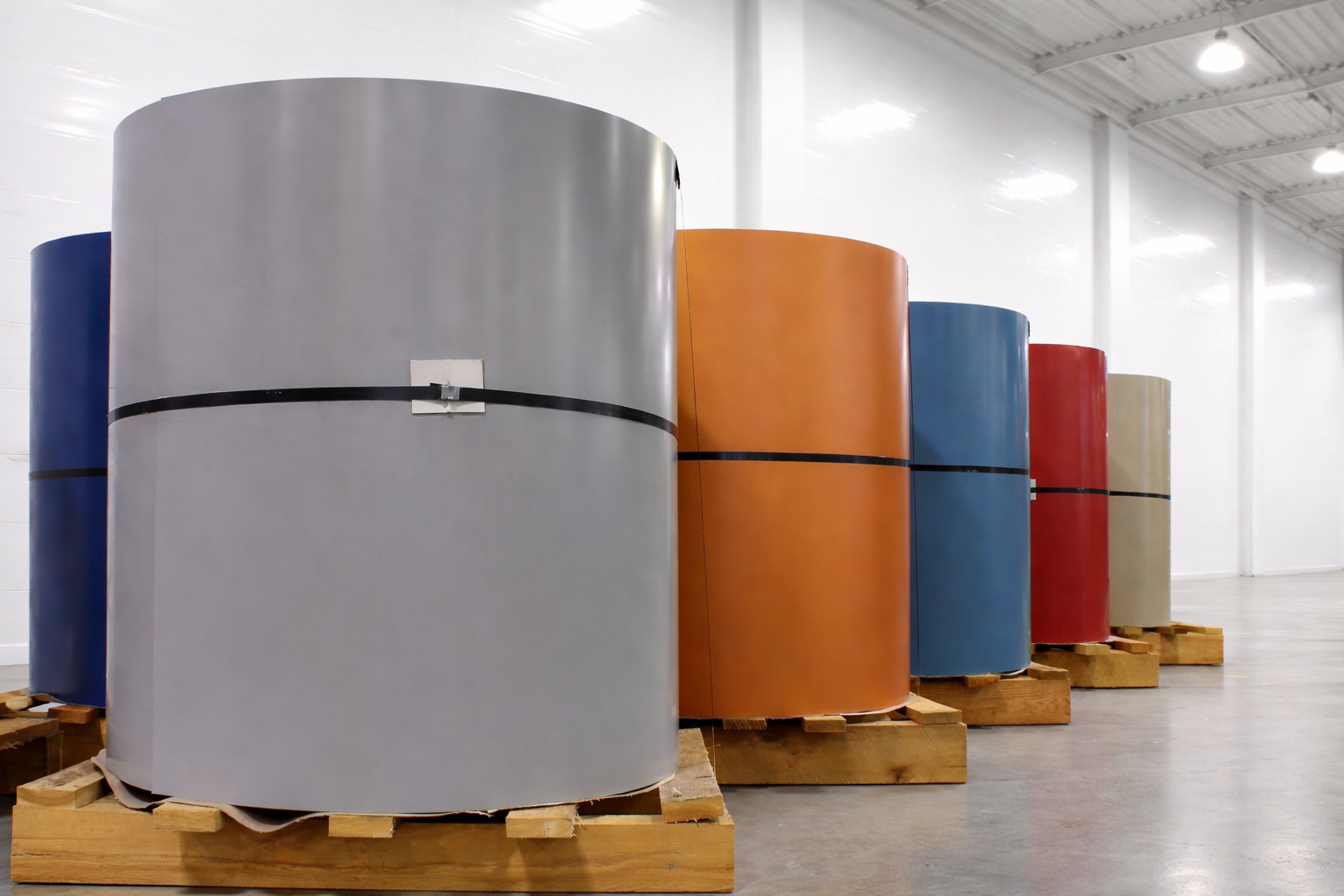
Not sure whether PVDF (Kynar®), SMP, or polyester is right for your project? Mill Steel helps you match coating performance to your application, budget, and long-term goals.
Blog
News filters list
Apr 22, 2026
Fade, Chalk, Crack, or Peel? Which Coil Coating Defends Against What
When you’re sourcing pre-painted steel, you’re buying long-term performance. And in today’s environment, where timelines are compressed, budgets are tight, and rework is not an option, coating failure is more than a cosmetic issue—it’s a cost driver.
Understanding how coil coatings respond to real-world exposure is critical. Fade. Chalk. Crack. Peel. These are the four most common failures in coil coatings, and each tells you something different about the coating system you’ve selected.
As a leading steel and aluminum coil supplier, Mill Steel works closely with customers to align coating performance with application demands. This guide breaks down what causes each type of failure and more importantly, which coil coatings are engineered to defend against them.
Why Coil Coating Performance Matters More Than Ever
Buyers are frequently being asked to do more with less—less time, less margin, and less room for error. That’s where coating selection becomes a strategic decision.
The right coating:
- Extends asset life
- Reduces maintenance costs
- Protects brand appearance
- Minimizes callbacks and warranty claims
The wrong coating? It shows up quickly and publicly.
If you haven’t already, we recommend starting with our foundational resource:
The Complete Guide to Painted & Coated Steel Coil — to help understand coating systems, substrates, and performance expectations.
The Four Failure Modes: What Are You Really Up Against?
Let’s break down the most common coating issues seen in the field.
1. Fade: Loss of Color Over Time
What it is:
Fade occurs when pigments in the coating degrade due to prolonged UV exposure, causing the color to lighten or shift.
Where it shows up most:
- Roofing and siding exposed to direct sunlight
- Southern-facing elevations
- Coastal and high-UV regions
Why it happens:
UV radiation breaks down the chemical bonds in lower-quality paint systems. Over time, this leads to visible color change—especially in darker or more vibrant hues.
Best Defense: PVDF (Kynar®)
PVDF coatings—commonly referred to as Kynar—are the gold standard for fade resistance.
Why PVDF performs:
- Exceptional UV stability
- Strong resin backbone that resists degradation
- Proven long-term color retention
In environments with high sun exposure, PVDF isn’t just a premium option—it’s often the most cost-effective when lifecycle performance is considered.
Bottom line:
If color consistency matters to your customer or brand, PVDF is your best defense against fade.
2. Chalk: The Powdery Residue Problem
What it is:
Chalking appears as a white, powdery residue on the surface of the coating. It’s caused by the breakdown of the paint resin, exposing pigment particles.
Where it shows up most:
- Industrial environments
- Areas with high moisture or pollution
- Older or lower-grade paint systems
Why it happens:
As the binder in the paint system degrades (often due to UV and environmental exposure), it releases pigment particles to the surface.
Best Defense: PVDF and SMP (Silicone-Modified Polyester)
- PVDF (Kynar): Best-in-class resistance to chalking
- SMP: Moderate resistance, depending on formulation
Key difference:
While SMP coatings offer improved durability over standard polyester, they can still exhibit chalking over time—especially in harsh environments.
Bottom line:
For projects where long-term surface integrity is critical, PVDF significantly outperforms SMP and polyester systems.
3. Crack: When Flexibility Fails
What it is:
Cracking occurs when the coating loses flexibility and fractures—often during forming or after repeated thermal expansion and contraction.
Where it shows up most:
- Tight-radius bends or complex profiles
- Cold climates with temperature swings
- Applications requiring post-paint forming
Why it happens:
All coatings have a limit to how much they can stretch. Lower-flexibility systems can crack when stressed beyond their tolerance.
Best Defense: SMP and Flexible Polyester Systems
- SMP coatings: Offer improved flexibility and durability
- Formulated polyesters: Designed for applications requiring high formability
PVDF coatings, while excellent for weathering, can be less flexible depending on formulation—making them less ideal for aggressive forming applications.
Bottom line:
If your application involves tight bends or roll forming, coating flexibility should be a top consideration.
4. Peel: Adhesion Failure
What it is:
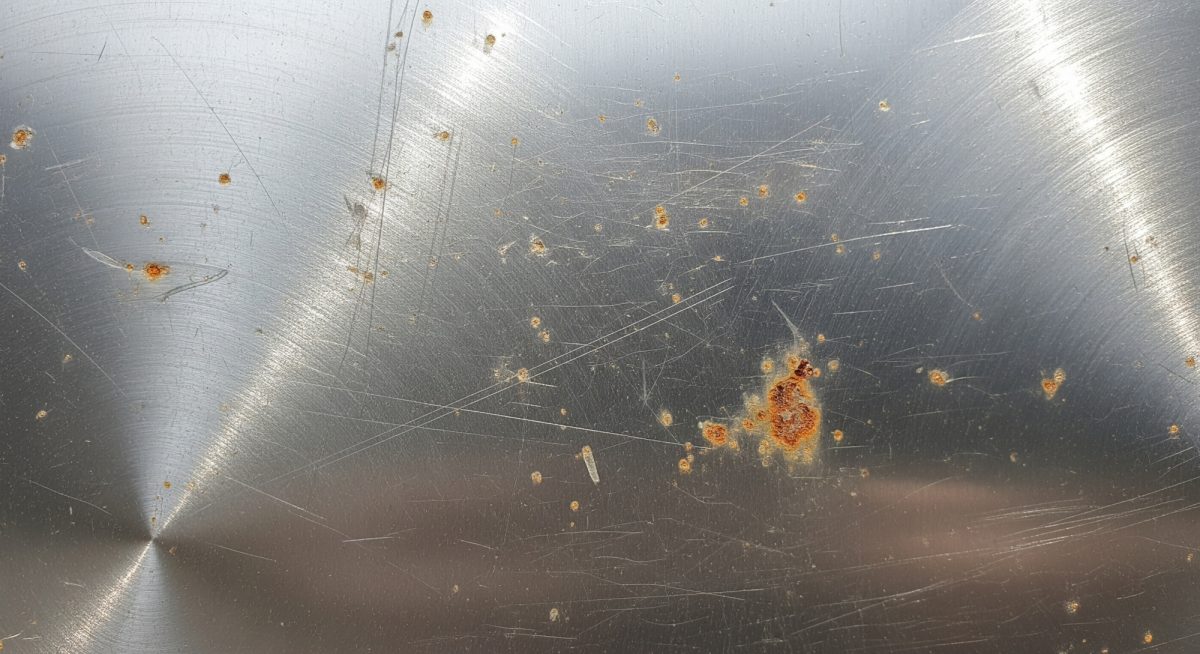
Peeling occurs when the coating separates from the metal substrate, often exposing bare steel.
Where it shows up most:
- Edges and cut lines
- Poorly prepared substrates
- Environments with high moisture or chemical exposure
Why it happens:
Peeling is typically the result of poor adhesion—either from inadequate surface preparation, improper curing, or environmental stressors.
Best Defense: System Quality + Supplier Reliability
No coating type alone guarantees adhesion. Instead, performance depends on:
- Proper substrate preparation
- High-quality primer systems
- Controlled curing processes
This is where your metal distributor matters.
Working with a trusted steel coil supplier ensures:
- Consistent coating application
- Verified mill sources
- Traceability and quality control
For a deeper dive into coating standards and performance testing, refer to the National Coil Coating Association (NCCA) — a leading authority on coil coating processes and specifications.
Bottom line:
Peeling isn’t just a coating issue – it’s a supply chain issue. Choose a partner who stands behind the material and is quick to support if an issue were to arise.
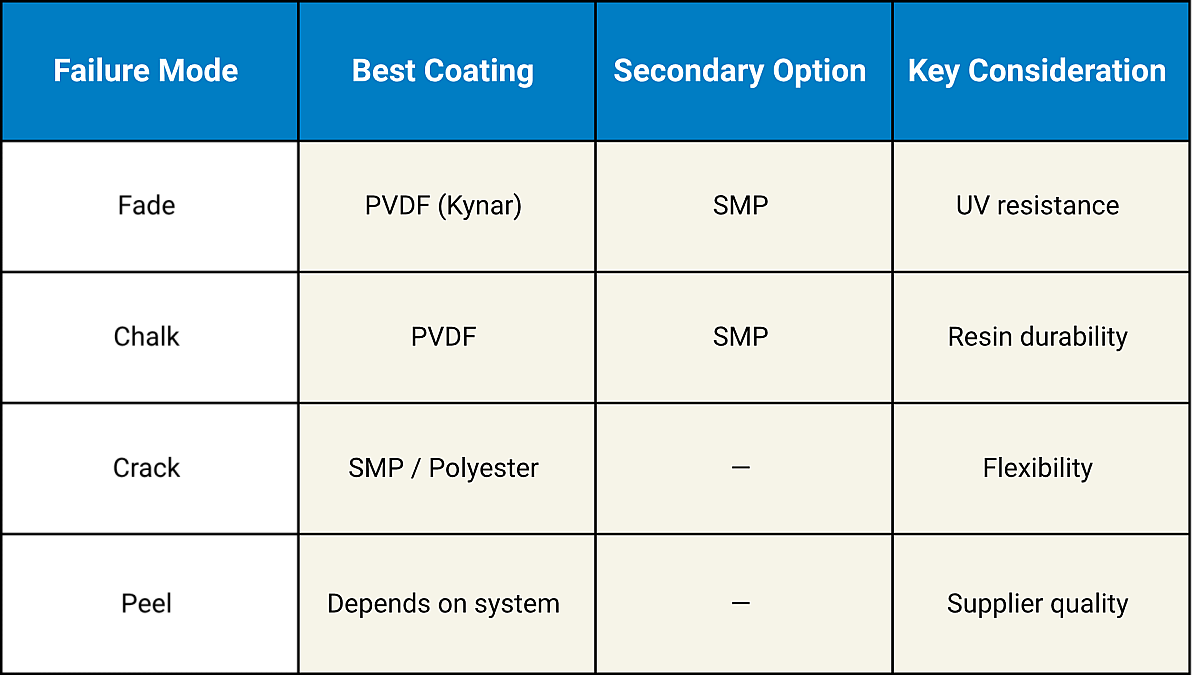
Comparing Coating Systems: Quick Reference
Choosing the Right Coating for Your Application
There’s no one-size-fits-all answer. The right coating depends on how—and where—the steel will be used.
Ask These Questions First:
1. What environment will the material face?
- Coastal → prioritize corrosion + UV resistance (PVDF)
- Industrial → prioritize chemical and chalk resistance
- Agricultural → balance durability and cost
2. What level of forming is required?
- Tight bends → prioritize flexibility (SMP/polyester)
- Flat panels → broader coating options
3. How important is long-term appearance?
- High visibility → invest in PVDF
- Utility application → SMP or polyester may suffice
4. What’s the total cost of ownership?
Cheaper coatings often cost more over time through:
- Maintenance
- Replacement
- Brand impact
The Mid-Atlantic Factor: Why Coating Selection Is Critical
For buyers in the Mid-Atlantic region, coating performance isn’t theoretical—it’s tested daily.
You’re dealing with:
- Humidity and moisture exposure
- Seasonal temperature swings
- Urban and industrial pollutants
- Coastal salt air (depending on proximity)
That combination accelerates:
- Chalking
- Corrosion
- Adhesion challenges
Choosing the right coating system upfront can mean the difference between a 5-year and a 20-year performance window.
Final Takeaway: Match the Coating to the Risk
Fade, chalk, crack, and peel are predictable outcomes based on coating selection, environment, and application.
The goal isn’t to eliminate risk entirely—it’s to manage it intelligently.
- Use PVDF (Kynar) when appearance and longevity are critical
- Use SMP or flexible systems when forming and cost balance matter
- Work with a trusted steel coil supplier to ensure system integrity
And when in doubt, ask.
Why Your Metal Supplier Matters
At the end of the day, even the best coating system can fail if the supply chain isn’t aligned.
As a metal coil supplier and coated steel supplier, Mill Steel focuses on:
- Deep inventory across PVDF, SMP, and polyester systems
- Sourcing from trusted, high-quality vendors
- Consistent processing and quality control
- Reliable delivery timelines
We understand the pressure our customers are under. You don’t just need material—you need certainty. That’s why we approach every order with the mindset of a long-term partner, not just a transaction. We stand behind our products and are dedicated to helping your business succeed.
Let’s Talk About Your Next Project
If you’re evaluating coating systems or sourcing material for an upcoming job, our team is here to help.
We’ll help you:
- Match coating performance to your application
- Navigate tradeoffs between cost and longevity
- Deliver material you can count on—when you need it
Because in this market, the right partner makes all the difference.