Why 304 Stainless Steel is the Top Choice for Food Processing Equipment
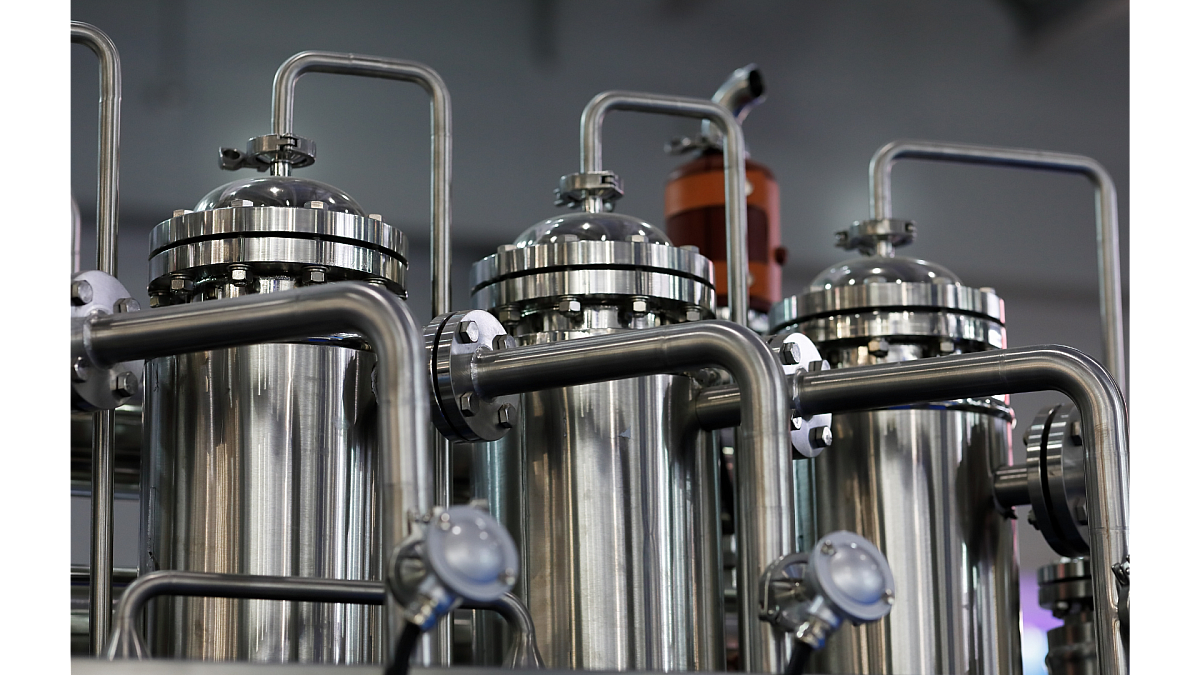
Food safety, sanitation, durability, and equipment reliability are critical considerations in food manufacturing environments. When food processors, equipment manufacturers, and facility managers evaluate materials for food-contact surfaces, 304 stainless steel is consistently the industry standard. Its combination of corrosion resistance, hygienic properties, durability, and cost-effectiveness makes it one of the most widely used materials in food processing facilities worldwide.
From mixing tanks and conveyors to storage bins and processing equipment, 304 stainless steel delivers the performance needed to support efficient operations while meeting the strict cleanliness standards required by the food industry.
Quick Answer: Why Is 304 Stainless Steel Used in Food Processing Equipment?
304 stainless steel is widely used in food processing equipment because it combines excellent corrosion resistance, food-safe hygienic properties, durability, weldability, and long service life. Its smooth, non-porous surface helps prevent bacterial growth and contamination, while its resistance to moisture, food acids, and cleaning chemicals makes it ideal for food-contact applications.
What Makes 304 Stainless Steel Ideal for Food Processing?
304 stainless steel belongs to the 300 Series austenitic stainless steel family and contains approximately:
- 18-20% chromium
- 8-10.5% nickel
These alloying elements create a protective chromium oxide layer that helps prevent corrosion and maintain long-term performance in demanding food production environments.
Its unique combination of corrosion resistance, cleanability, strength, and fabrication flexibility makes it one of the most versatile materials available for food processing equipment.
Superior Corrosion Resistance for Food Safety
Food processing environments regularly expose equipment to:
- Moisture
- Food acids
- Cleaning agents
- Sanitizing chemicals
- Frequent washdowns
Many materials degrade under these conditions, leading to contamination risks and increased maintenance costs. 304 stainless steel resists corrosion by forming a passive chromium oxide layer that protects the underlying metal from rust and deterioration.
This corrosion resistance helps maintain equipment integrity while reducing the likelihood of contamination, downtime, and costly repairs.
Why Is Stainless Steel Considered Food Safe?
One of the primary reasons the food industry relies on 304 stainless steel is its hygienic surface.
304 stainless steel features a smooth, non-porous finish that helps prevent the accumulation of:
- Bacteria
- Mold
- Moisture
- Food particles
- Contaminants
Unlike materials that can crack, absorb liquids, or degrade over time, stainless steel maintains its surface integrity even after repeated cleaning and sanitation cycles. This makes it especially valuable for food-contact surfaces where cleanliness is essential.
Common Food Processing Applications for 304 Stainless Steel
304 stainless steel is used throughout food manufacturing facilities because it performs well in a variety of production environments.
| Equipment Type | Why 304 Stainless Steel Is Used |
|---|---|
| Mixing Tanks | Corrosion resistance and sanitation |
| Conveyors | Durability and ease of cleaning |
| Storage Bins | Food-safe surface and long service life |
| Cutting Tables | Hygienic, non-porous surface |
| Processing Equipment | Corrosion resistance and weldability |
| Washdown Equipment | Resistance to water and cleaning chemicals |
| Workstations | Easy sanitation and durability |
| Food-Contact Surfaces | Compliance with hygiene requirements |
Durability and Long-Term Value
Food processing equipment often operates continuously in demanding environments. Frequent use, chemical exposure, sanitation procedures, and mechanical wear can take a significant toll on equipment materials.
304 stainless steel combines mechanical strength with corrosion resistance, helping equipment maintain performance over long operating lifecycles. As a result, manufacturers often experience:
- Reduced maintenance costs
- Longer equipment life
- Less unplanned downtime
- Improved operational efficiency
These benefits can significantly reduce total lifecycle costs compared to less durable materials.
Excellent Weldability and Fabrication Flexibility
Food processing equipment often requires complex fabrication, including:
- Tanks
- Hoppers
- Conveyors
- Piping systems
- Storage vessels
- Custom processing equipment
304 stainless steel offers excellent weldability and formability, allowing manufacturers to create intricate designs while maintaining structural integrity and corrosion resistance. This flexibility contributes to its widespread use across the food industry.
304 vs. 316 Stainless Steel for Food Processing
A common question among equipment manufacturers and processors is whether to use 304 or 316 stainless steel.
When to Choose 304 Stainless Steel
304 is the preferred choice when:
- General food processing is involved
- Cost-effectiveness is important
- Excellent corrosion resistance is sufficient
- Standard cleaning procedures are used
When to Choose 316 Stainless Steel
316 may be preferred when:
- High chloride exposure exists
- Salt-heavy products are processed
- Aggressive cleaning chemicals are used
- Highly corrosive environments are present
For most food processing applications, 304 stainless steel delivers the ideal balance of performance and value. However, operations involving brining, salt processing, or aggressive sanitizing protocols may benefit from upgrading to 316 stainless steel.
Food Industry Standards and Compliance
Food processing facilities operate under strict sanitation and material requirements. 304 stainless steel is commonly specified because it supports the hygienic and performance requirements expected in food manufacturing environments.
Its combination of corrosion resistance, cleanability, durability, and food-contact suitability helps manufacturers maintain operational standards while protecting product quality and consumer safety
Frequently Asked Questions About 304 Stainless Steel in Food Processing
Why is 304 stainless steel used in food processing?
304 stainless steel provides corrosion resistance, durability, cleanability, and food-safe performance, making it ideal for food-contact equipment and processing environments.
Is 304 stainless steel food grade?
Yes. 304 stainless steel is one of the most commonly specified materials for food processing equipment because of its hygienic properties and corrosion resistance.
Can 304 stainless steel rust in food processing environments?
While highly corrosion resistant, 304 stainless steel can experience corrosion under certain conditions, particularly when exposed to chlorides, contamination, or improper maintenance.
Is 304 or 316 better for food processing?
304 is suitable for most food processing environments. 316 is often preferred when equipment is exposed to chlorides, salt-rich products, or aggressive cleaning chemicals.
What food processing equipment uses 304 stainless steel?
Common applications include mixing tanks, conveyors, cutting tables, storage bins, processing equipment, washdown systems, and food-contact surfaces.
Key Takeaways
- 304 stainless steel is the most commonly specified material for food processing equipment.
- Its corrosion resistance helps protect against moisture, food acids, and cleaning chemicals.
- The smooth, non-porous surface supports sanitation and food safety.
- Common applications include tanks, conveyors, cutting tables, storage systems, and processing equipment.
- Excellent weldability and formability support complex equipment fabrication.
- 316 stainless steel may be preferred in highly corrosive or chloride-rich environments.
Related Stainless Steel Resources
Grade Selection
Grade Properties
Related Industry Applications
- Cleanroom & Medical Uses of 304 Stainless Steel
- Automotive Manufacturing and Stainless Steel: Why 304 Is a Go-To
- Stainless Steel for Architectural Applications: 304 vs. 316
Choosing the right material is critical to food safety, operational efficiency, and long-term equipment performance. For most food processing applications, 304 stainless steel continues to set the standard for reliability, sanitation, and value.