Stainless Steel for Architectural Applications: 304 vs 316
When specifying stainless steel for architectural projects, one of the most common questions architects, designers, engineers, and contractors ask is:
Should I use 304 or 316 stainless steel?
Both grades offer excellent durability, corrosion resistance, and aesthetic appeal, making them popular choices for modern construction and architectural design. However, environmental conditions, project location, maintenance expectations, and long-term performance requirements can significantly influence which grade is the best fit.
This guide explains the differences between 304 and 316 stainless steel and helps determine which grade is best for your architectural application.
Quick Answer: 304 vs. 316 Stainless Steel for Architecture
304 stainless steel is typically the preferred choice for interior architectural applications because it offers excellent corrosion resistance, attractive appearance, ease of fabrication, and cost-effectiveness. 316 stainless steel is generally recommended for exterior, coastal, marine, and chloride-exposed environments because its molybdenum content provides enhanced corrosion resistance and longer service life in harsh conditions.
For most interior projects, 304 delivers exceptional performance and value. For demanding outdoor environments, 316 is often worth the additional investment.
Understanding 304 and 316 Stainless Steel
What Is 304 Stainless Steel?
304 stainless steel is the most widely used stainless steel grade in the world. Known as the "workhorse" of the stainless steel family, it contains approximately:
- 18% chromium
- 8% nickel
This composition provides excellent corrosion resistance, durability, and fabrication characteristics, making it ideal for a wide range of architectural applications.
Benefits of 304 Stainless Steel
- Excellent corrosion resistance
- Attractive appearance
- Easy fabrication and welding
- Widely available
- Cost-effective for most projects
What Is 316 Stainless Steel?
316 stainless steel contains chromium and nickel similar to 304 but also includes molybdenum. This additional alloying element significantly improves resistance to chlorides, salt spray, and corrosive environments.
Because of its superior corrosion resistance, 316 is frequently specified for coastal and high-exposure architectural applications.
Benefits of 316 Stainless Steel
- Superior corrosion resistance
- Outstanding chloride resistance
- Excellent performance in coastal environments
- Lower long-term maintenance requirements
- Extended service life in harsh conditions
304 vs. 316 Stainless Steel Comparison
| Feature | 304 Stainless Steel | 316 Stainless Steel |
|---|---|---|
| Corrosion Resistance | Excellent | Superior |
| Chloride Resistance | Moderate | Excellent |
| Coastal Performance | Good | Outstanding |
| Interior Applications | Recommended | Suitable |
| Exterior Applications | Good | Preferred |
| Marine Applications | Limited | Recommended |
| Maintenance Requirements | Moderate | Lower in harsh environments |
| Cost | Lower | Higher |
Best Stainless Steel for Interior Architectural Applications
For most interior environments, 304 stainless steel is the preferred specification. It provides an ideal balance of aesthetics, performance, durability, and cost.
Common Interior Applications
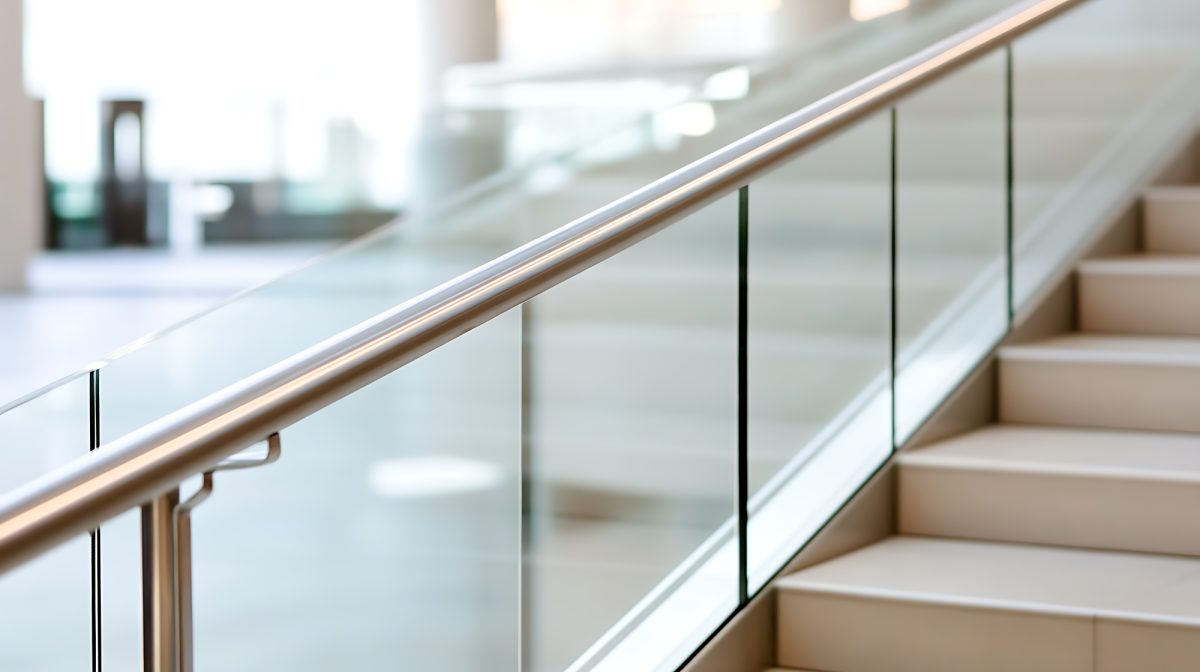
- Handrails
- Elevator interiors
- Wall panels
- Ceiling systems
- Decorative trim
- Interior cladding
- Columns and accents
- Architectural feature elements
Because interior environments typically have limited exposure to chlorides and harsh contaminants, 304 stainless steel delivers long service life with minimal maintenance.
Best Stainless Steel for Exterior Architectural Applications
Exterior environments expose materials to moisture, pollution, weather fluctuations, and airborne contaminants. In these conditions, material selection becomes increasingly important.
Common Exterior Applications
- Building facades
- Exterior railings
- Public infrastructure
- Transit stations
- Commercial exteriors
- Public plazas
- Canopies
- Outdoor architectural features
316 stainless steel is often preferred because of its ability to withstand long-term environmental exposure with reduced maintenance requirements.
When Should You Upgrade from 304 to 316 Stainless Steel?
One of the most important decisions in architectural specification is identifying environments where 304 may not provide sufficient long-term protection.
Consider specifying 316 stainless steel when your project is exposed to:
- Coastal salt spray
- Marine environments
- Road salt
- Parking structures
- Pool environments
- HVAC exhaust discharge zones
- Industrial emissions
- Persistent moisture exposure
Even in inland locations, localized conditions can create corrosive microenvironments that justify upgrading from 304 to 316.
Understanding Microclimates in Architectural Design
One of the most overlooked factors in stainless steel selection is the effect of microclimates. A project does not need to be located directly on the coast to experience aggressive corrosion conditions.
Examples include:
Road Salt Exposure
Entrances, walkways, and parking structures frequently encounter de-icing salts that can accelerate corrosion.
HVAC Exhaust Zones
Condensation mixed with exhaust byproducts can create unexpected corrosion challenges around building systems.
Poor Drainage Areas
Joints, crevices, and architectural details that retain moisture can create localized corrosion conditions that exceed the severity of the surrounding environment.
Understanding these conditions early in the design process helps avoid premature material degradation and costly maintenance programs.
Common Architectural Applications and Recommended Grades
| Application | Recommended Grade |
|---|---|
| Interior Handrails | 304 |
| Elevator Cabs | 304 |
| Decorative Wall Panels | 304 |
| Ceiling Systems | 304 |
| Interior Cladding | 304 |
| Exterior Railings | 316 |
| Building Facades | 304 or 316 |
| Coastal Structures | 316 |
| Parking Structures | 316 |
| Transit Infrastructure | 316 |
| Marine Architecture | 316 |
Architectural Trends Driving Stainless Steel Demand
Biophilic Design Integration
Architects are increasingly incorporating natural materials and daylight-focused designs to create healthier, more engaging spaces. Stainless steel complements wood, stone, glass, and other natural materials while reflecting light and supporting clean, contemporary aesthetics.
Sustainable Building Certifications
As LEED, WELL, and other sustainability programs become increasingly important, stainless steel's recyclability, durability, and long service life continue to make it attractive for environmentally conscious projects.
Both 304 and 316 stainless steel can contribute to sustainable design strategies by reducing replacement frequency and supporting circular material use.
Custom Finishes and Decorative Surfaces
Advances in fabrication technology now allow architects to specify:
- Brushed finishes
- Bead-blasted finishes
- Patterned surfaces
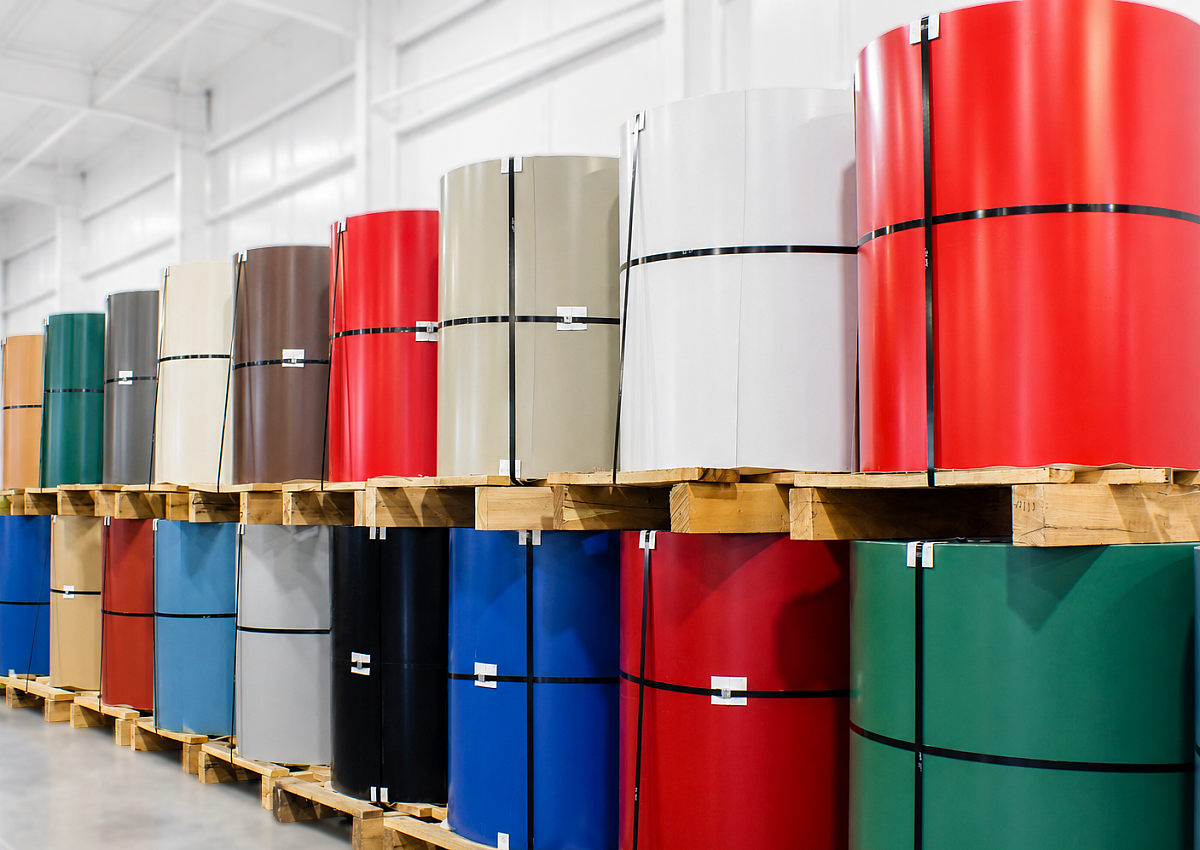
- Colored stainless steel
- Textured cladding systems
Both 304 and 316 can accommodate these aesthetic treatments while maintaining structural integrity and corrosion resistance.
Frequently Asked Questions About Architectural Stainless Steel
Is 304 stainless steel good for outdoor architecture?
Yes. 304 stainless steel performs well in many outdoor environments. However, 316 is typically preferred for coastal projects and areas exposed to chlorides.
Why is 316 stainless steel used near the ocean?
316 contains molybdenum, which improves resistance to salt exposure and chloride-induced corrosion.
Is 316 stainless steel worth the additional cost?
For coastal, marine, and highly corrosive environments, the improved durability and reduced maintenance often justify the higher upfront cost.
What stainless steel grade is best for handrails?
304 is commonly used for interior handrails, while 316 is generally recommended for exterior and coastal installations.
Can stainless steel support sustainable building certification goals?
Yes. Stainless steel's recyclability, durability, and long service life make it a valuable material for sustainable building initiatives.
Key Takeaways
- 304 and 316 are the most commonly specified stainless steel grades for architectural applications.
- 304 stainless steel is typically preferred for interior applications.
- 316 stainless steel provides superior corrosion resistance for exterior and coastal environments.
- Microclimates such as road salt, HVAC exhaust, and standing moisture can significantly impact grade selection.
- Both grades support sustainable building practices through durability and recyclability.
- Selecting the correct grade at the specification stage can reduce maintenance costs and extend service life.
Related Stainless Steel Resources
Grade Selection
Grade Properties
Related Applications
- Cleanroom & Medical Uses of 304 Stainless Steel
- Why 304 Stainless Steel is the Top Choice for Food Processing Equipment
- Automotive Manufacturing and Stainless Steel: Why 304 Is a Go-To
Choosing between 304 and 316 stainless steel is ultimately about matching material performance to environmental conditions. Understanding exposure risks, microclimates, and lifecycle costs helps ensure architectural projects achieve both their design goals and long-term performance expectations.