The Complete Guide to Stainless Steel Sheet: Grades, Sizes, and Applications
Stainless steel sheet is one of the most widely used materials in manufacturing, construction, food processing, transportation, medical equipment, and industrial fabrication. Its combination of corrosion resistance, strength, cleanability, and appearance makes it a preferred material for applications requiring long-term durability and performance.
Whether you're purchasing stainless steel sheet for fabrication, designing a new product, or evaluating material options for a project, understanding grades, thicknesses, finishes, and applications can help ensure the best result.
Quick Answer: What Is Stainless Steel Sheet?
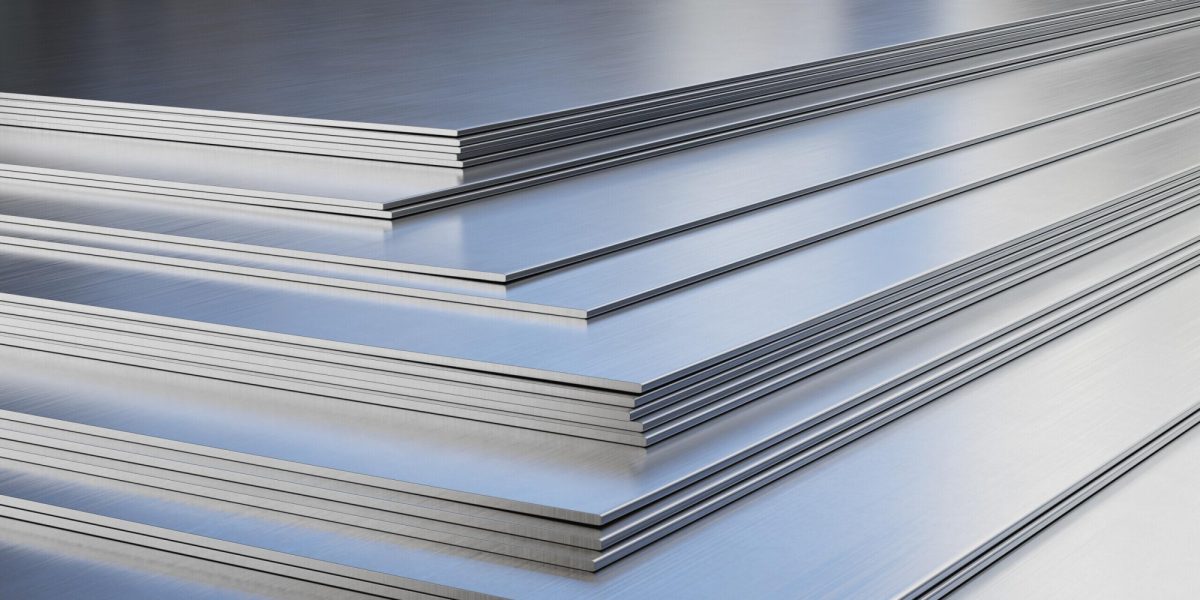
Stainless steel sheet is a flat-rolled metal product manufactured from corrosion-resistant stainless steel alloys containing chromium and other alloying elements. Available in a wide range of grades, thicknesses, sizes, and surface finishes, stainless steel sheet is used across industries such as manufacturing, food processing, architecture, transportation, and industrial fabrication because of its strength, corrosion resistance, cleanability, and attractive appearance.
Stainless steel sheet typically ranges from thin gauges used in precision applications to thicker gauges designed for demanding industrial and structural environments. Its versatility allows manufacturers, fabricators, and engineers to select the right combination of grade, finish, and thickness for specific performance requirements.
Key Benefits of Stainless Steel Sheet
- Corrosion resistance
- High strength
- Long service life
- Easy cleaning and sanitation
- Attractive appearance
- Excellent fabrication and weldability characteristics
Because it combines durability, performance, and aesthetic appeal, stainless steel sheet remains one of the most widely specified materials for commercial, industrial, and consumer applications.
How to Choose Stainless Steel Sheet
Selecting stainless steel sheet typically involves four key decisions:
Step 1: Choose the Right Grade
The grade determines corrosion resistance, strength, weldability, and overall performance.
Common Stainless Steel Sheet Grades
| Grade | Primary Advantage | Typical Applications |
|---|---|---|
| 304 | Excellent all-around performance | Manufacturing, food processing, architecture |
| 316 | Superior corrosion resistance | Marine, pharmaceutical, chemical processing |
| 430 | Cost-effective corrosion resistance | Appliances, trim, decorative applicaions |
Step 2: Choose the Appropriate Finish
Surface finish affects appearance, cleanability, corrosion resistance, and fabrication performance.
Stainless Steel Finishes Compared
| Finish | Appearance | Common Uses |
|---|---|---|
| #2B | Smooth matte finish | Industrial fabrication |
| #4 | Brushed finish | Food equipment, architecture |
| #8 | Mirror finish | Decorative applications |
| BA (Bright Annealed) | Bright reflective finish | Medical and food processing |
Step 3: Select the Proper Gauge
Gauge selection affects:
- Strength
- Weight
- Cost
- Formability
- Structural performance
Thinner gauges are often preferred for appliances, enclosures, and formed components, while thicker gauges may be required for industrial and structural applications.
Step 4: Determine Size Requirements
The correct sheet size can reduce waste, improve production efficiency, and lower overall project costs.
Common Grades of Stainless Steel Sheet
304 Stainless Steel Sheet
304 stainless steel is the most widely used stainless steel grade worldwide.
Benefits
- Excellent corrosion resistance
- Easy to form and weld
- Good value
- Suitable for many environments
Common Applications
- Food processing equipment
- Architectural components
- Manufacturing equipment
- Industrial fabrication
Related Resource
316 Stainless Steel Sheet
316 stainless steel contains molybdenum, which improves corrosion resistance in chloride-rich and highly corrosive environments.
Benefits
- Superior corrosion resistance
- Excellent marine performance
- Resistant to chlorides
- Strong chemical resistance
Common Applications
- Marine equipment
- Pharmaceutical facilities
- Chemical processing
- Coastal architecture
430 Stainless Steel Sheet
430 stainless steel is a ferritic grade that provides a more economical alternative for many applications.
Benefits
- Good corrosion resistance
- Lower cost
- Good oxidation resistance
- Magnetic properties
Common Applications
- Appliances
- Decorative trim
- Consumer products
- Automotive components
Standard Stainless Steel Sheet Sizes
Typical sheet gauges include:
| Gauge | Approximate Thickness |
|---|---|
| 26 Gauge | 0.0187" |
| 20 Gauge | 0.0359" |
| 16 Gauge | 0.0598" |
| 11 Gauge | 0.1196" |
| 7 Gauge | 0.1793" |
Sheet vs. Plate
Stainless steel sheet is generally 7 gauge (3/16 inch) or thinner, while thicker material is classified as stainless steel plate and is typically used in structural and heavy-duty applications.
Common Stainless Steel Sheet Applications
Food Processing and Commercial Kitchens
Typical Uses
- Work tables
- Sinks
- Conveyor systems
- Splash panels
Recommended Grades
- 304 for most food-contact surfaces
- 316 for chloride-rich environments
Recommended Finish
- #4 brushed finish
Architectural Applications
Typical Uses
- Elevator interiors
- Column covers
- Handrails
- Decorative panels
Recommended Grades
- 304 for interior applications
- 316 for coastal and exterior environments
Recommended Finish
- #4 brushed finish or #8 mirror finish
Medical and Pharmaceutical Equipment
Typical Uses
- Tanks
- Hoppers
- Processing equipment
- Laboratory surfaces
Recommended Grades
- 304
- 316L
Recommended Finish
- BA or #2B
Marine Applications
Typical Uses
- Enclosures
- Boat hardware
- Structural supports
Recommended Grades
- 316
- Duplex 2205
Recommended Finish
- BA finish
- Smooth polished finishes
Transportation and Automotive
Typical Uses
- Trailer skins
- Fuel tanks
- Truck bodies
- Automotive components
Recommended Grades
- 304
- 430
Recommended Finish
- #2B or #4
Recommended Stainless Steel Sheet Grades by Industry
| Industry | Recommended Grades |
|---|---|
| Food Processing | 304, 316 |
| Medical & Parmaceutical | 304, 316L |
| Architecture | 304, 316 |
| Marine | 316, 2205 |
| Automotive | 304, 430 |
| Industrial Fabrication | 304, 316 |
What Information Do You Need Before Buying Stainless Steel Sheet?
Before requesting a quote or placing an order, identify:
Material Grade
Examples:
- 304
- 316
- 430
Thickness or Gauge
Specify required thickness based on performance and fabrication requirements.
Sheet Size
Determine standard or custom dimensions.
Surface Finish
Choose:
- #2B
- #4
- #8
- BA
Quantity
Order volume may affect availability, lead times, and pricing.
Processing Requirements
Consider:
- Slitting
- Cut-to-length
- Protective film application
- Custom processing
Frequently Asked Questions About Stainless Steel Sheet
What is the most common stainless steel sheet grade?
304 stainless steel is the most widely used grade because it offers an excellent balance of corrosion resistance, durability, weldability, and cost.
What is the difference between 304 and 316 stainless steel sheet?
316 contains molybdenum, which improves resistance to chlorides and highly corrosive environments.
What is the best stainless steel finish for food processing equipment?
#4 finish is commonly specified because it provides excellent cleanability and appearance.
What gauge stainless steel sheet should I use?
The ideal gauge depends on structural requirements, fabrication methods, environmental conditions, and budget.
What is the difference between stainless steel sheet and stainless steel plate?
Sheet is generally 3/16 inch thick or less, while thicker material is classified as plate.
Key Takeaways
- Stainless steel sheet is a versatile flat-rolled product used across manufacturing, construction, food processing, medical, and industrial applications.
- 304, 316, and 430 are among the most common stainless steel sheet grades.
- Grade selection should be based on corrosion resistance, fabrication requirements, and operating environment.
- Surface finish affects appearance, cleanability, and performance.
- Gauge selection impacts strength, durability, and manufacturing costs.
- Buyers should identify grade, gauge, finish, size, and processing requirements before purchasing.
Related Resources
Stainless Steel Grades
- Understanding Stainless Steel Grading Systems
- 301 Stainless Steel vs. 304 Stainless Steel
- 303 vs. 304 Stainless Steel
- 304L Stainless Steel vs. 304
- 316 Stainless Steel vs. 304 Stainless Steel
Buying Stainless Steel
- Stainless Steel Thickness Tolerances
- How to Choose the Right Stainless Steel Supplier Near You
- Your Trusted Stainless Steel Coil Supplier & Distributor
Grade Properties
Understanding grades, sizes, finishes, and application requirements helps buyers select the right stainless steel sheet for performance, reliability, manufacturability, and long-term value.