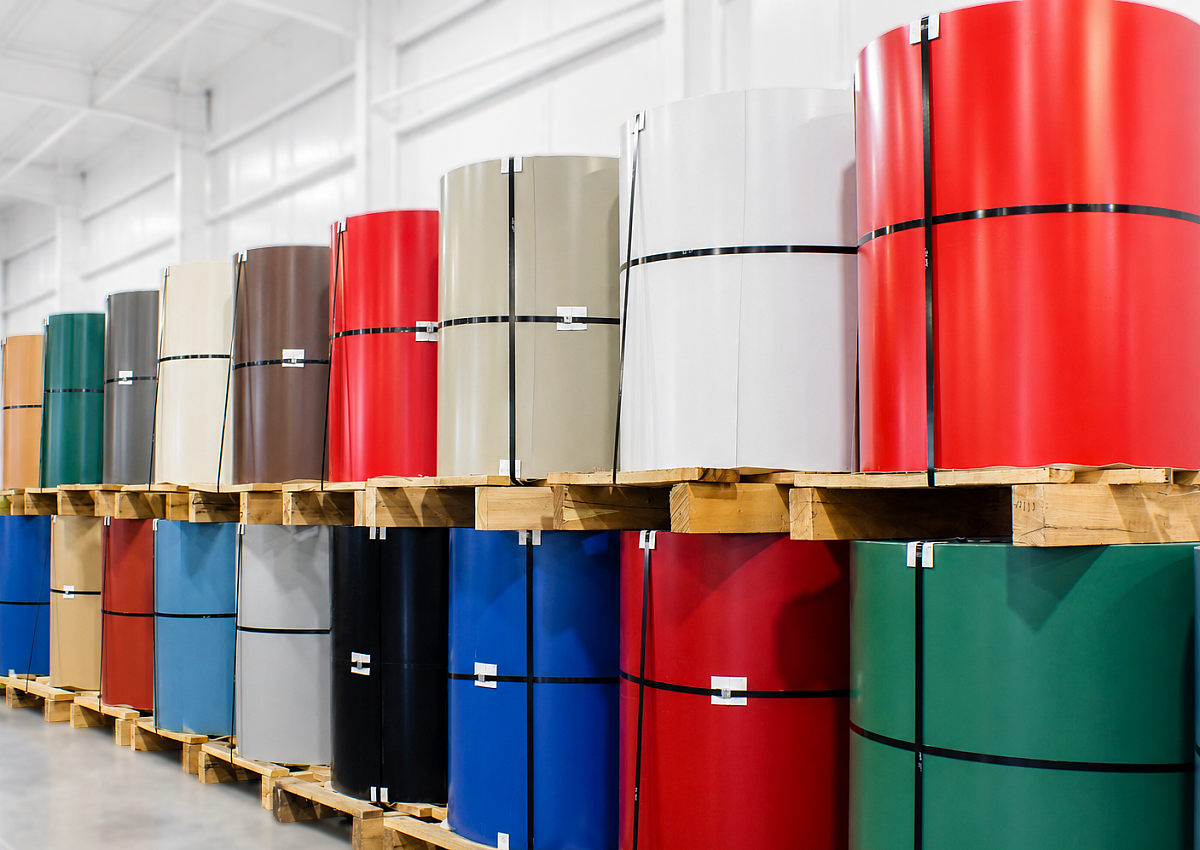
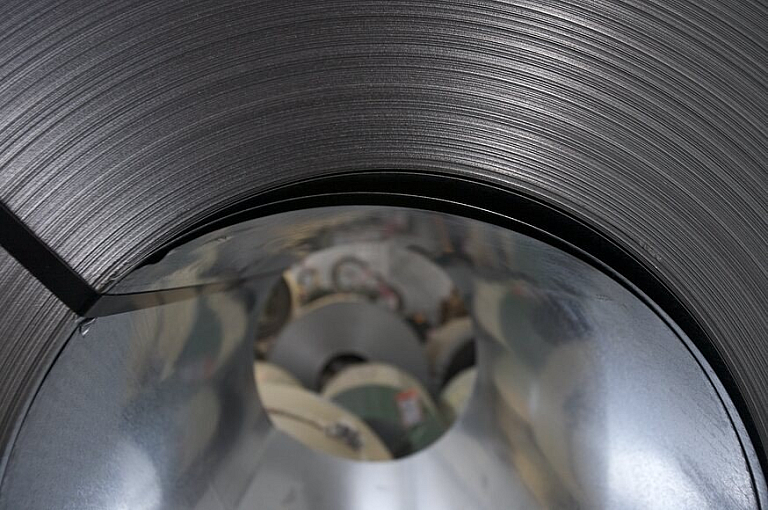
Your Trusted Stainless Steel Coil Supplier & Distributor

Finding the right stainless steel supplier is about more than sourcing material. The best suppliers help manufacturers, fabricators, OEMs, and contractors improve production efficiency, reduce lead times, maintain quality standards, and ensure reliable material availability. Whether you're purchasing stainless steel coil, sheet, slit coil, or blanks, selecting the right supplier can have a significant impact on project performance and long-term business success.
As a trusted stainless steel coil supplier and distributor, Mill Steel provides inventory, processing capabilities, technical expertise, and supply chain support designed to help customers source the right material for every application.
Quick Answer: What Should You Look for in a Stainless Steel Supplier?
A reliable stainless steel supplier should offer multiple stainless steel grades and finishes, value-added processing services, material traceability, technical support, and dependable delivery performance. The best suppliers help customers optimize material selection while reducing procurement risk and improving operational efficiency.
Why Work With a Stainless Steel Distributor?
A stainless steel distributor acts as a supply chain partner by maintaining inventory, providing processing services, managing logistics, and helping customers select the right materials for their applications. Instead of sourcing directly from mills for every order, buyers can often improve flexibility and reduce lead times by working with an experienced distributor.
Benefits of working with a stainless steel distributor include:
- Faster delivery times
- Wider inventory availability
- Material traceability
- Processing capabilities
- Technical expertise
- Inventory management solutions
Stainless Steel Products Available
A full-service stainless steel supplier should offer a wide selection of products in various forms – from master coil to precision processed – to support different industries and manufacturing requirements.
Available Material Options
- Multiple grades
- Various gauges and thicknesses
- Brushed finishes
- Polished finishes
- Mill finishes
Common Stainless Steel Grades
Different industries require different performance characteristics. Understanding available grades helps ensure the right material is selected for each application.
| Grade | Common Applications |
|---|---|
| 304 Stainless Steel | Food processing, fabrication, architecture |
| 316 Stainless Steel | Marine, pharmaceutical, chemical processing |
| 430 Stainless Steel | Appliances, decorative applications |
| 409 Stainless Steel | Automotive exhaust systems |
| 2205 Duplex Stainless Steel | Industrial and offshore applications |
| 17-4 PH Stainless Steel | Aerospace and high-strength applications |
Learn More About Stainless Steel Grades
For a deeper understanding of stainless steel families, mechanical properties, corrosion resistance, and applications, see:
What Services Should a Stainless Steel Supplier Provide?
The best stainless steel suppliers offer more than inventory. Value-added processing services help manufacturers receive production-ready material while reducing internal labor and handling requirements.
Stainless Steel Supplier Capabilities
| Capability | Why It Matters |
|---|---|
| Coil Inventory | Immediate material availability |
| Sheet Inventory | Flexible sourcing options |
| Slitting | Flexible sourcing options |
| Cut-to-Length | Improved production efficiency |
| Blanking | Production-ready material |
| Technical Support | Better material selection |
| Mill Test Reports | Material traceability |
| Nationwide Distribution | Faster delivery |
Common Processing Services
- Slitting
- Cut-to-length
- Blanking
- Polishing
- Protective film application
How to Buy Stainless Steel Coil
Before requesting a quote, buyers should identify several key material specifications to ensure accurate pricing and material selection.
Information Needed to Purchase Stainless Steel Coil
Material Grade
Examples include:
- 304 stainless steel
- 316 stainless steel
- 430 stainless steel
- 409 stainless steel
Gauge or Thickness
Material thickness impacts strength, weight, fabrication performance, and cost.
Width Requirements
Specify coil width and any slitting requirements.
Surface Finish
Common options include:
- #2B
- #4 Brushed
- Bright Annealed (BA)
- Mirror Finish
Quantity Requirements
Volume can impact inventory availability, pricing, and lead times.
Processing Requirements
Determine whether slitting, cut-to-length, blanking, or protective film application is required.
Why Quality and Traceability Matter
Quality assurance is critical when sourcing stainless steel for manufacturing, food processing, medical equipment, construction, and other demanding applications.
Look for Suppliers That Provide
- Mill Test Reports (MTRs)
- Material certifications
- ASTM-compliant products
- Documented traceability programs
These safeguards help verify chemical composition, mechanical properties, and specification compliance.
National Reach With Local Expertise
Material availability and logistics support play a major role in supplier performance.
Mill Steel operates strategically located processing and distribution facilities that support customers across North America while maintaining responsive service and efficient delivery capabilities.
Benefits include:
- Reduced lead times
- Reliable inventory access
- Regional support
- Flexible logistics options
Industries Served
Stainless steel coil and sheet products support a wide range of industries.
Manufacturing
Components, assemblies, and industrial equipment.
Food Processing
Food-contact equipment, tanks, conveyors, and processing systems.
Construction & Architecture
Handrails, panels, trim, facades, and structural components.
Automotive
Exhaust systems, trim, structural elements, and EV applications.
Medical & Cleanroom
Laboratory equipment, hospital fixtures, and pharmaceutical systems.
Frequently Asked Questions About Stainless Steel Suppliers
How do I choose a stainless steel supplier?
Look for inventory availability, processing capabilities, certifications, technical expertise, and reliable delivery performance.
What is a stainless steel distributor?
A stainless steel distributor maintains inventory and provides supply-chain, logistics, processing, and material-support services for manufacturers and buyers.
What products do stainless steel suppliers sell?
Most suppliers offer stainless steel coil, sheet, blanks, slit coil, and custom-processed materials.
What certifications should a supplier provide?
Many buyers require material certifications and documented quality-management programs.
Why are processing services important?
Processing services can reduce production steps, improve efficiency, lower labor costs, and minimize material waste.
What grades of stainless steel are most commonly stocked?
304, 316, 430, and 409 stainless steel are among the most commonly stocked grades because of their broad application across industries.
Key Takeaways
- A stainless steel supplier should provide more than inventory.
- Inventory availability, processing services, and technical expertise are key evaluation factors.
- Common stocked grades include 304, 316, 430, 409, and duplex stainless steels.
- Buyers should identify grade, gauge, finish, quantity, and processing requirements before purchasing.
- Material traceability and quality documentation help ensure compliance and performance.
- Strong supplier partnerships can improve quality, delivery performance, and overall supply-chain reliability.
Related Resources
Buying Stainless Steel
- The Complete Guide to Stainless Steel Sheet: Grades, Sizes, and Applications
- How to Choose the Right Stainless Steel Supplier Near You
- Stainless Steel Thickness Tolerances
Grade Selection
- Understanding Stainless Steel Grading Systems
- 316 Stainless Steel vs. 304 Stainless Steel
- The Value of 409 Stainless Steel in Budget-Conscious Projects
Grade Properties
Whether you're sourcing stainless steel coil, sheet, or custom-processed material, working with an experienced stainless steel supplier can help improve efficiency, reduce risk, and ensure the right material reaches your operation when you need it most.