Can 304 Stainless Steel Rust? What You Should Know
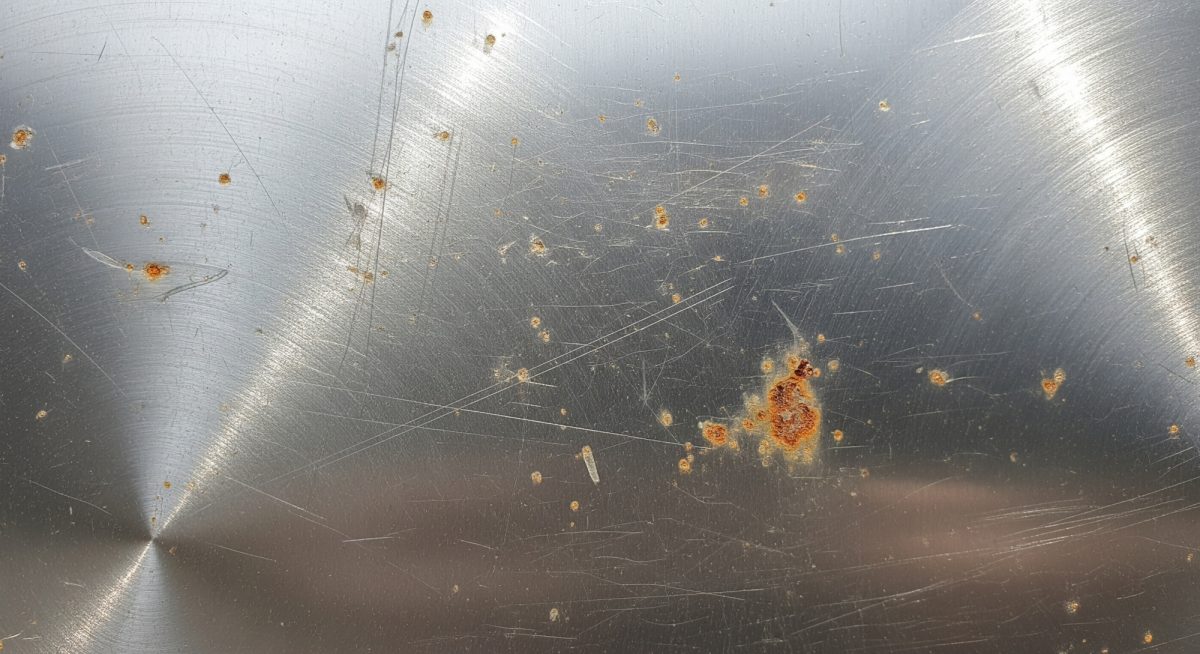
When it comes to stainless steel, 304 is one of the most widely used grades across industries—from food processing to construction to automotive. Its reputation for corrosion resistance is well earned. But a question we often hear is: Can 304 stainless steel rust?
The short answer: Yes, under certain conditions.
304 stainless steel isn’t “rust-proof.” It’s “rust-resistant,” which is a critical distinction for engineers, buyers, and manufacturers. Let’s break down why.
Why 304 Stainless Steel Resists Rust
304 stainless steel contains 18–20% chromium and 8–10.5% nickel, which allows it to form a passive layer of chromium oxide on its surface. This ultra-thin barrier prevents oxygen from reaching the steel underneath, shielding it from corrosion in most environments.
This is why 304 stainless steel is the industry standard for:
When 304 Stainless Steel Can Rust
Even with its passive layer, 304 stainless steel can still rust under certain environmental or handling conditions:
- Chloride Exposure: Saltwater and de-icing salts break down the protective chromium oxide layer, making 304 prone to localized corrosion like pitting or crevice corrosion.
- Contaminants During Fabrication: Grinding dust or carbon steel tool contamination can “seed” rust on stainless surfaces.
- High-Humidity Environments: Stagnant moisture or condensation can limit oxygen access, slowing oxide regeneration and causing surface staining.
- Industrial Pollutants: Acids, sulfides, and harsh cleaning chemicals may compromise the protective layer.
👉 If your application faces these conditions, 316 stainless steel—with its added molybdenum—may provide superior resistance.
Why This Matters for Lifecycle Costing
Here’s a perspective not often discussed: the real cost of rust isn’t just replacement material—it’s downtime, sanitation risks, and reputational impact.
- In food processing, even minor surface rust can be seen as a contamination hazard.
- In architectural settings, staining undermines aesthetics and perceived quality.
- In automotive exhaust systems, corrosion can mean warranty claims and field failures.
More companies are now using lifecycle costing models that factor in cleaning, passivation, and maintenance—not just initial material cost. Choosing 304 (or upgrading to 316 in harsher conditions) is as much about risk mitigation as upfront pricing.
Preventing Rust on 304 Stainless Steel
You can maximize corrosion resistance with the right practices:
- Proper Fabrication: Use stainless-only tools and keep carbon steel contamination away.
- Regular Cleaning: Mild detergents or specialized stainless cleaners prevent buildup of chlorides or pollutants.
- Surface Finishes: Polished finishes are more resistant than rough, brushed textures because they trap fewer contaminants.
- Design Considerations: Avoid crevices where moisture or chemicals can stagnate.
The Bottom Line
304 stainless steel doesn’t rust easily, but it’s not invincible. By understanding the conditions that can compromise its passive layer, you can make informed choices for your applications.
At Mill Steel, we don’t just supply material—we help you select the right grade and finish for performance, longevity, and value. Explore our stainless steel products or connect with our team for guidance tailored to your project.