Skip to content
Blog
May 22, 2026

Key Design Considerations for Data Center Buildings

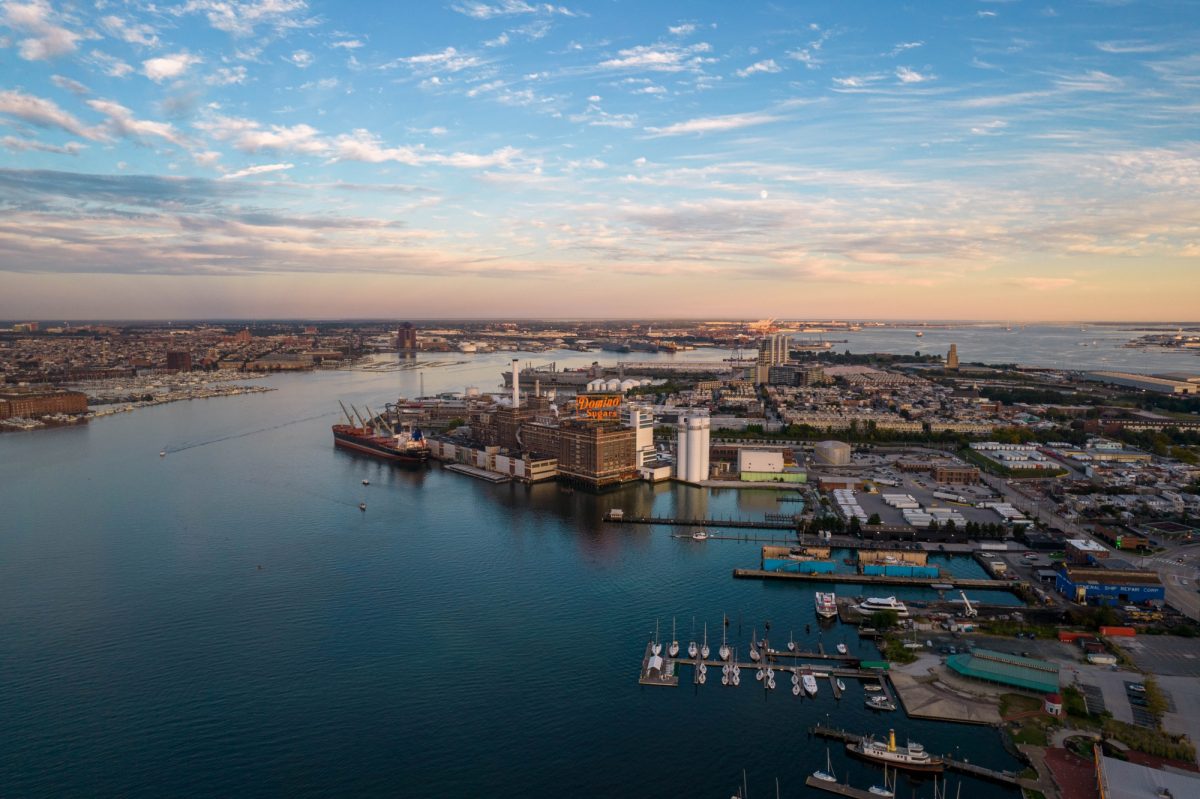
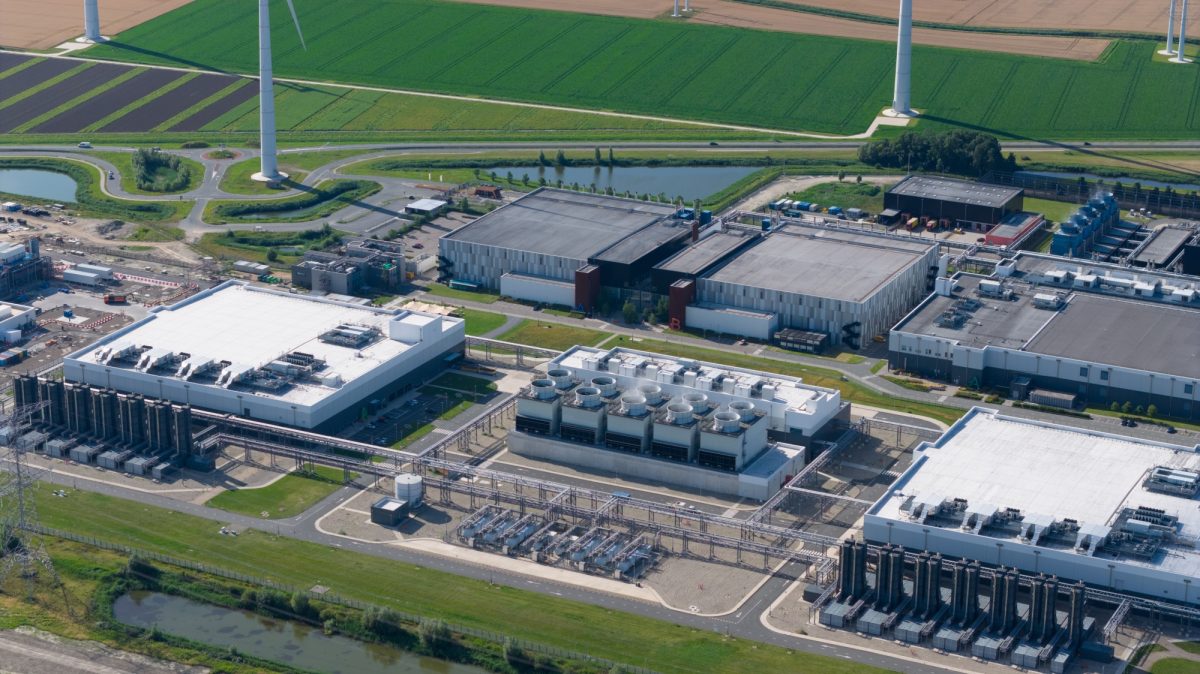
Overhead View of Data Center

As demand for cloud computing, AI, edge computing, and digital infrastructure continues to accelerate, the pace of hyperscale data center construction is pushing the limits of traditional building strategies. Developers, OEMs, and manufacturers are under increasing pressure to build faster, scale smarter, and maintain long-term reliability — all while navigating supply chain uncertainty and evolving technology requirements. 

For manufacturers and metal buyers supplying components into this market, understanding the key design considerations behind modern data center buildings is critical. Material decisions made early in the process directly impact structural performance, energy efficiency, thermal management, speed to market, and long-term operational success. 

At Mill Steel Company, we understand the urgency and complexity behind these projects because we work alongside customers building the infrastructure that powers today’s digital economy. From structural framing and enclosure systems to HVAC, electrical, and server infrastructure components, steel plays a foundational role in nearly every aspect of a data center build. 
What Are the Most Important Design Factors in Data Centers? 

Overhead View of Data Center

The most important design factors in data centers include: 

  • Speed of construction and scalability
  • Structural performance and durability
  • Thermal management and cooling efficiency
  • Power distribution and redundancy
  • Energy efficiency and sustainability
  • Security and resiliency
  • Supply chain reliability and material availability
  • Long-term operational flexibility  

Each of these considerations influences how steel for data centers is specified, sourced, and manufactured throughout the project lifecycle.

Why Hyperscale Data Center Construction Demands a Different Approach 

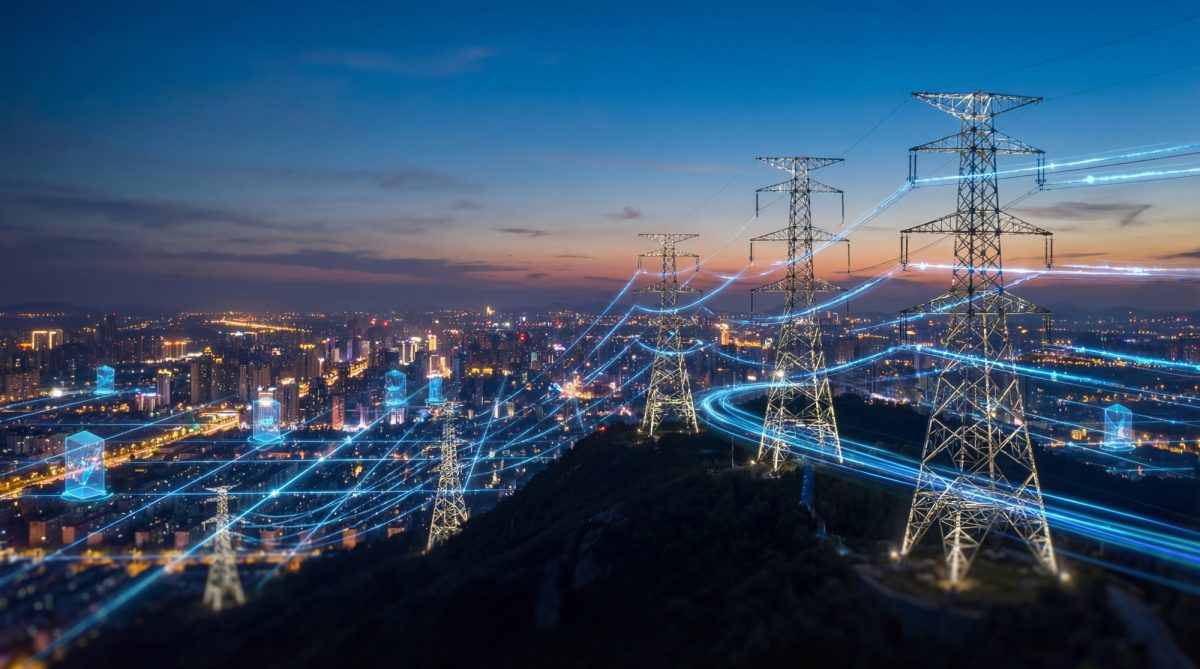
Power lines

Unlike conventional commercial buildings, hyperscale data center construction operates on compressed timelines with extremely high operational expectations. Downtime is unacceptable, scalability is essential, and infrastructure requirements continue evolving alongside AI and cloud technologies. 

According to the Uptime Institute, reliability, resiliency, and energy efficiency remain among the top priorities for operators worldwide as facilities become increasingly mission-critical. 

That pressure extends throughout the supply chain. Manufacturers producing enclosures, cable trays, racks, cooling systems, structural components, and electrical equipment need reliable access to high-quality flat-rolled steel products capable of supporting precision fabrication and demanding performance standards.

1. Speed to Market and Modular Construction 

Large technology companies and colocation providers are racing to expand capacity, particularly as AI workloads dramatically increase demand for computing power. Many projects are now expected to move from planning to operation in significantly shorter timelines than traditional commercial construction. 

This has accelerated the adoption of: 

  • Modular construction strategies
  • Prefabricated assemblies
  • Off-site manufacturing
  • Standardized component systems  

Steel is especially valuable in these environments because it enables: 

  • Faster fabrication cycles
  • Consistent dimensional accuracy
  • Simplified assembly
  • Scalable production across multiple facilities  

Manufacturers supplying components into data center projects often need materials that are immediately available, processed to tight tolerances, and delivered on predictable schedules. 

That level of responsiveness requires more than transactional material sourcing. It requires a supply partner that understands production schedules, inventory planning, and the realities of hyperscale project timelines. 

2. Structural Strength and Long-Term Durability 

Data center buildings house highly sensitive and extremely valuable equipment. Structural reliability is non-negotiable. 

Design teams must account for: 

  • Heavy equipment loads 
  • Rooftop cooling systems 
  • Seismic requirements 
  • Wind loads 
  • Floor vibration control 
  • Future expansion capacity  

Steel continues to be one of the most trusted materials in data center construction because of its: 

  • High strength-to-weight ratio
  • Design flexibility
  • Long-span capabilities
  • Proven durability
  • Fire resistance compatibility  

Galvanized and coated steel products are also commonly used to improve corrosion resistance and extend the lifespan of both interior and exterior systems. 

As facilities grow larger and more complex, manufacturers need steel products that perform consistently across demanding applications while supporting efficient fabrication processes.

3. Thermal Management and Cooling Efficiency 

Cooling infrastructure has become one of the most important design considerations in modern data centers. 

AI-driven workloads generate substantially higher heat densities than traditional computing environments. According to ASHRAE, data center thermal management strategies are rapidly evolving to support higher rack densities and improved energy performance. 

This affects nearly every building system, including: 

  • HVAC equipment
  • Air handling systems
  • Containment structures
  • Liquid cooling infrastructure
  • Ventilation assemblies
  • Mechanical support systems  

Steel is widely used throughout these systems because it offers: 

  • Structural integrity
  • Fabrication precision
  • Consistent performance
  • Compatibility with coated and corrosion-resistant finishes  

As cooling demands increase, manufacturers are also balancing efficiency with scalability, designing systems that can evolve as technology changes. 

4. Power Infrastructure and Redundancy 

Reliable power distribution is central to data center performance. 

Hyperscale facilities require extensive electrical infrastructure capable of maintaining uninterrupted uptime even during failures or maintenance events. Many facilities are designed with N+1 or 2N redundancy configurations to minimize operational risk. 

This creates demand for: 

  • Electrical enclosures
  • Cable management systems
  • Generator infrastructure
  • Battery storage systems
  • Switchgear housings
  • Busway and support structures

Steel plays a major role in protecting and supporting this infrastructure while allowing manufacturers to maintain consistency across large production volumes. 

For suppliers, reliability matters just as much as material quality. Delays in steel availability can create cascading disruptions across production schedules and installation timelines. 

5. Energy Efficiency and Sustainability 

Sustainability expectations are reshaping how data centers are designed and constructed. 

Operators are increasingly focused on: 

  • Reducing Power Usage Effectiveness (PUE) 
  • Improving energy efficiency 
  • Lowering carbon emissions 
  • Incorporating renewable energy systems 
  • Supporting circular economy initiatives  

The U.S. Department of Energy Better Buildings Initiative highlights the growing importance of energy optimization across data center operations and infrastructure design. 

Steel contributes to sustainability goals through: 

  • Recyclability 
  • Long service life 
  • Lightweight structural performance 
  • Compatibility with high-efficiency building systems  

Additionally, efficient material planning and supply chain coordination help reduce waste, minimize downtime, and improve project efficiency overall. 

6. Supply Chain Reliability and Material Availability 

One of the biggest challenges facing the data center market today is supply chain volatility. 

As demand surges across North America, manufacturers are navigating: 

  • Longer lead times 
  • Material shortages 
  • Pricing fluctuations 
  • Freight disruptions 
  • Rapid project schedule changes  

This makes strategic inventory management and supplier partnerships increasingly important. 

Reliable steel sourcing can help manufacturers: 

  • Maintain production schedules 
  • Reduce project delays 
  • Improve forecasting accuracy 
  • Respond faster to design changes 
  • Scale production as project demands increase  

At Mill Steel, we understand that supplying steel for data centers requires more than simply shipping material. It requires visibility, communication, flexibility, and a deep understanding of how manufacturing timelines impact the broader project ecosystem. 

Our teams work closely with customers to help support continuity across fast-moving and highly demanding projects – because in this market, responsiveness matters. 

7. Flexibility for Future Expansion 

Data center technology continues evolving rapidly. 

Facilities designed today may need to support: 

  • Higher rack densities 
  • Expanded cooling systems 
  • Additional power requirements 
  • AI-specific infrastructure 
  • Edge computing integration  

That means buildings must be designed with flexibility in mind. 

Steel supports future scalability because it allows for: 

  • Modular expansion 
  • Retrofit adaptability 
  • Simplified structural modifications 
  • Long-term performance reliability  

Manufacturers supplying into this market benefit from material solutions that support both current production needs and future innovation.

The Growing Role of Steel in Data Center Infrastructure 

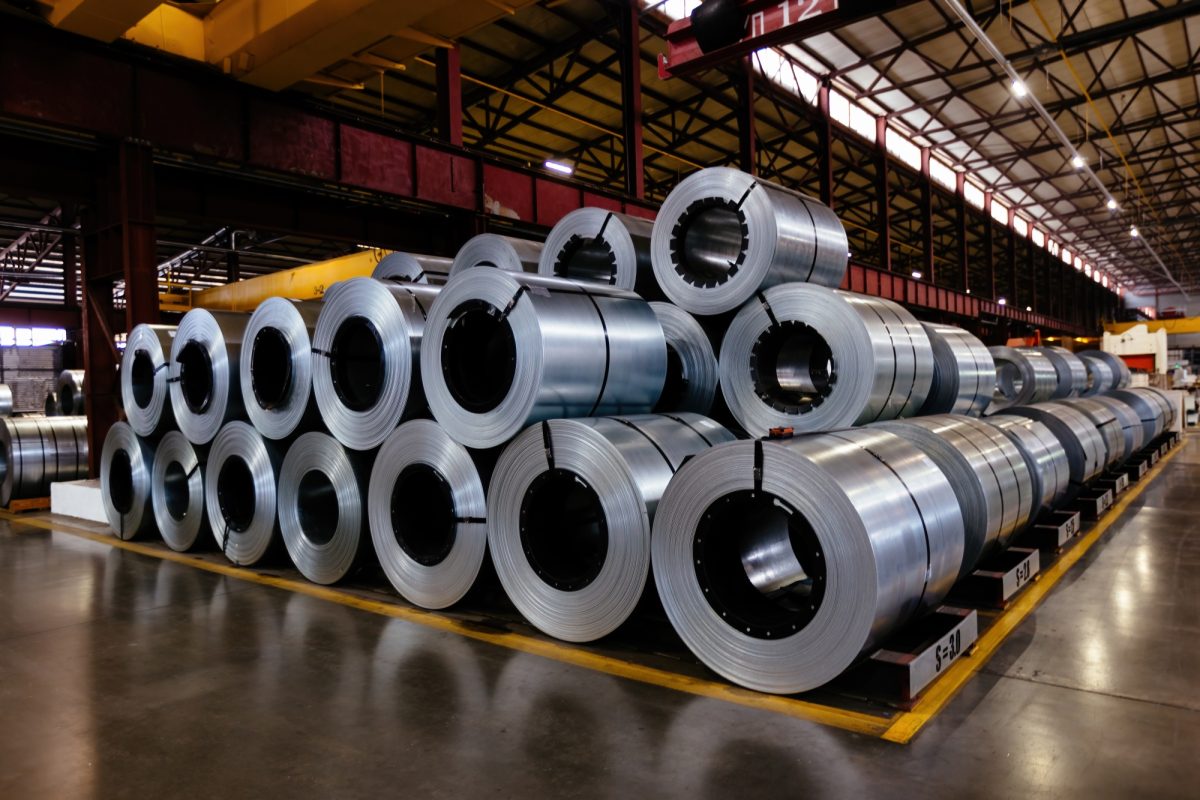
Steel Coils

As hyperscale data center construction continues accelerating, steel remains one of the most critical materials enabling the industry’s growth. 

From structural framing and roofing systems to HVAC components and electrical infrastructure, steel helps manufacturers meet the demanding requirements of modern data center projects while supporting scalability, durability, and efficiency. 

For buyers and manufacturers operating in this space, choosing the right material partner can help reduce risk, improve responsiveness, and create greater confidence throughout the supply chain. 

Check out the Mill Steel’s Data Center Market Page to see how we support customers supplying components into the rapidly evolving data center market with high-quality flat-rolled steel solutions, processing capabilities, and a customer-first approach designed to keep projects moving forward. 

Because when timelines are tight and expectations are high, having a dependable partner matters.