Best Practices for Storing and Handling Stainless Steel Coils & Sheets

Stainless steel is valued for its corrosion resistance, durability, and appearance, but even high-quality material can be damaged if it is improperly stored or handled. Surface scratches, contamination, edge damage, moisture exposure, and poor inventory management can lead to unnecessary waste, rework, and increased costs. Whether you're storing 304 stainless steel coils, sheets, or processed material, following proven storage and handling practices helps preserve material quality and maximize performance throughout the supply chain.
From humidity control and inventory rotation to proper lifting techniques and protective packaging, every step plays a role in protecting your investment.
Quick Answer: How Should Stainless Steel Coils and Sheets Be Stored?
Stainless steel coils and sheets should be stored in a clean, dry environment away from moisture, chlorides, and contaminants. Material should remain properly supported, clearly labeled, protected from physical damage, and monitored for environmental conditions such as humidity and condensation. Proper storage helps preserve corrosion resistance, surface quality, dimensional stability, and long-term performance.
Why Proper Storage and Handling Matter
304 stainless steel and other stainless grades rely on a protective chromium oxide layer for corrosion resistance. If that passive layer becomes damaged through contamination, scratching, moisture exposure, or improper handling, the material may experience staining, cosmetic defects, or corrosion.
Common storage and handling issues can result in:
- Surface blemishes
- Scratches and abrasion
- Edge deformation
- Coating or film degradation
- Contamination
- Corrosion-related damage
- Increased scrap rates
Many of these issues are preventable through proper storage practices and employee training.
Stainless Steel Storage Checklist
Use the following checklist to maintain material quality during storage:
- Store indoors whenever possible
- Maintain low humidity levels
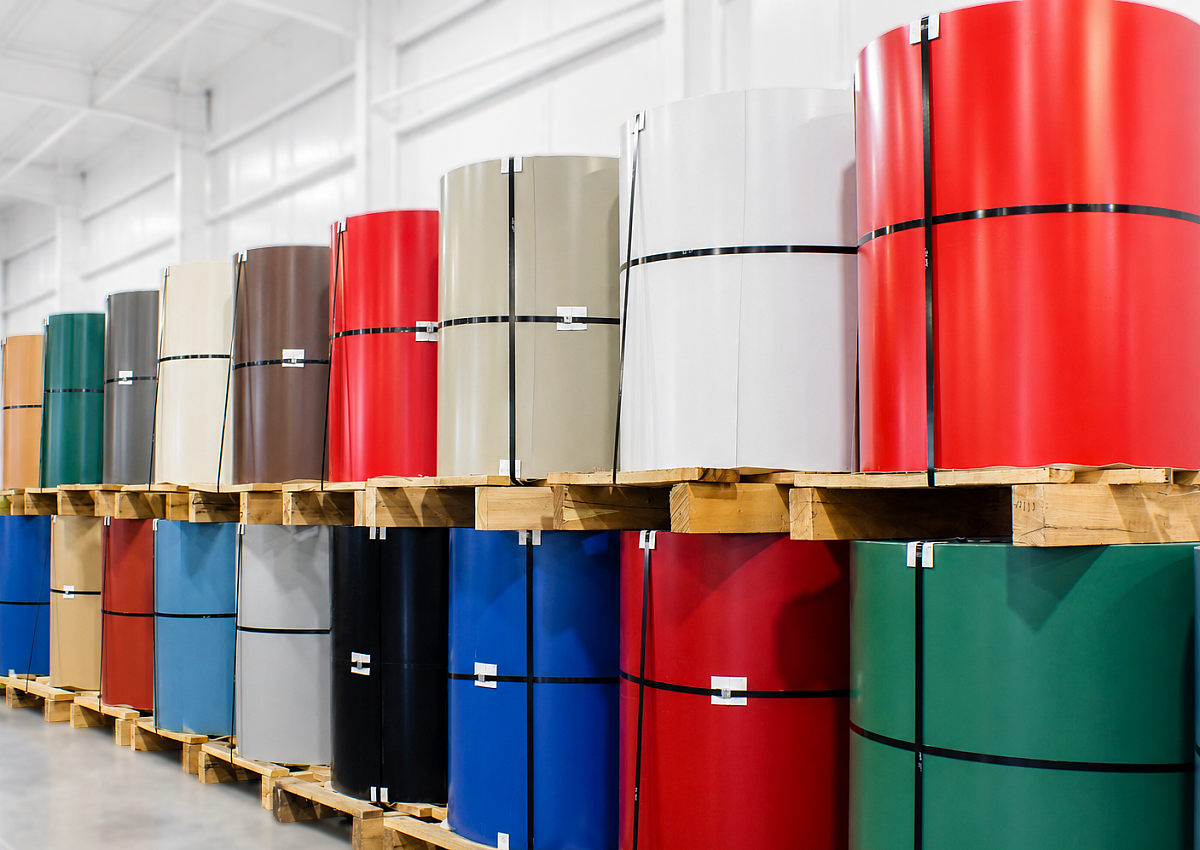
- Keep coils and sheets off the floor
- Prevent exposure to chlorides
- Protect surface finishes
- Inspect material regularly
- Rotate inventory using FIFO methods
- Monitor protective packaging condition
- Label and track stored material
Best Practices for Storing Stainless Steel Coils and Sheets
Store Material Indoors
Indoor storage provides the best protection against moisture, temperature fluctuations, airborne contaminants, and UV exposure. Whenever possible, store stainless steel in a clean, dry facility specifically designed for metal inventory.
Control Humidity and Condensation
Moisture is one of the most common causes of storage-related stainless steel issues.
Best Practices
- Maintain relative humidity below approximately 60%
- Avoid rapid temperature swings
- Improve ventilation when necessary
- Address condensation immediately
Even corrosion-resistant grades such as 304 stainless steel can experience surface staining or contamination issues when condensation is allowed to remain on stored material.
Keep Material Off the Floor
Coils and sheets should never be stored directly on concrete floors or surfaces where moisture can accumulate.
Use:
- Pallets
- Racks
- Coil cradles
- Elevated storage systems
This minimizes exposure to moisture and reduces the risk of contamination and physical damage.
Protect Surface Finishes
Many stainless steel products are supplied with protective films to preserve appearance during transport and storage.
Best Practices
- Leave protective film in place until fabrication
- Inspect film regularly for degradation
- Avoid excessive UV exposure
- Replace damaged protective coverings when necessary
This is especially important for polished, brushed, and decorative finishes.
Best Practices for Handling Stainless Steel Coils and Sheets
Improper handling is one of the leading causes of material damage before fabrication even begins.
Use Proper Lifting Equipment
Always use lifting equipment designed for the weight and dimensions of the material being moved.
Examples include:
- Coil hooks
- Overhead cranes
- Forklifts with appropriate attachments
This helps prevent deformation, edge damage, and safety incidents.
Avoid Surface Damage
Never drag stainless steel sheets or coils across floors, storage racks, or other metal surfaces.
Doing so can create:
- Scratches
- Abrasion marks
- Surface contamination
- Cosmetic defects
Even minor surface damage may become highly visible during fabrication or in finished products.
Protect Coil and Sheet Edges
Edges are particularly vulnerable to damage during transportation and handling.
Protecting edges helps reduce:
- Material waste
- Scrap rates
- Processing issues
- Fit-up problems during fabrication
Prevent Carbon Steel Contamination
Stainless steel should always be handled separately from carbon steel whenever possible.
Why This Matters
Carbon steel particles can become embedded in stainless steel surfaces and create rust spots that appear to originate from the stainless material itself.
Maintain dedicated:
- Storage areas
- Fabrication equipment
- Grinding tools
- Handling equipment
for stainless steel materials whenever practical.
Can Stainless Steel Rust in Storage?
Yes.
Although stainless steel is highly corrosion resistant, improper storage conditions can lead to surface staining, contamination-related corrosion, and localized rust.
Common causes include:
- Moisture exposure
- Condensation
- Chlorides
- Carbon steel contamination
- Poor ventilation
- Damaged packaging
These issues do not necessarily indicate defective material but often result from environmental or handling conditions.
What Causes Stainless Steel Damage During Storage?
The most common causes of storage-related damage include:
- Moisture
- Condensation
- Chloride exposure
- Carbon steel contamination
- Forklift damage
- Surface abrasion
- Improper stacking
- UV degradation of protective films
- Poor packaging
- Extended storage periods
Understanding these risks helps organizations implement preventative measures before problems occur.
What Is VCI Packaging?
VCI (Volatile Corrosion Inhibitor) packaging provides an additional layer of protection during transportation and long-term storage. These materials release corrosion-inhibiting compounds that help protect metal surfaces from moisture-related damage.
VCI packaging can be particularly beneficial when:
- Material will be stored longer than three to six months
- Environmental conditions are uncertain
- Protective films may not provide adequate protection
- Products require long-distance transportation
Inventory Management Best Practices
Use FIFO Inventory Rotation
First-In, First-Out (FIFO) inventory management helps minimize storage duration and reduce the likelihood of storage-related issues.
Benefits include:
- Reduced risk of packaging degradation
- Better inventory turnover
- Improved material traceability
- Lower quality risks
Monitor Storage Conditions
Organizations storing large quantities of stainless steel may benefit from monitoring:
- Temperature
- Humidity
- Inventory age
- Packaging condition
Some facilities are now incorporating QR code, RFID, and digital inventory systems to improve traceability and monitor storage conditions more effectively.
Common Storage and Handling Mistakes to Avoid
Avoid these common pitfalls:
- Storing stainless steel directly on the floor
- Allowing material to remain wet
- Mixing stainless steel with carbon steel inventory
- Damaging protective films
- Dragging sheets across surfaces
- Improper lifting practices
- Long-term storage without inspection
- Ignoring humidity and condensation
Each of these practices can increase the risk of material damage and reduce overall product quality.
Frequently Asked Questions About Stainless Steel Storage
How should stainless steel coils be stored?
Store coils indoors in a clean, dry environment using proper supports and protection from moisture, contaminants, and physical damage.
Can stainless steel be stored outside?
Indoor storage is recommended. If outdoor storage is unavoidable, additional packaging and environmental protection measures should be used.
What is FIFO inventory management?
FIFO (First-In, First-Out) inventory rotation ensures older inventory is used first, reducing storage duration and improving material quality management.
Key Takeaways
- Proper storage and handling help preserve stainless steel quality and performance.
- Moisture, chlorides, and carbon steel contamination are among the most common causes of damage.
- Humidity control, protective packaging, and FIFO inventory practices can reduce risk.
- Proper lifting and handling procedures help prevent surface defects and deformation.
- VCI packaging and inventory monitoring can provide additional protection during long-term storage.
- Good storage practices help maintain appearance, corrosion resistance, and overall material value.
Related Resources
Processing & Finishing
Buying Stainless Steel
Material Selection
Proper storage and handling are essential for protecting stainless steel coil and sheet investments. By controlling environmental conditions, preventing contamination, and following proven material-handling practices, manufacturers can reduce waste, improve quality, and maximize the long-term performance of their stainless steel inventory.