WUI Building Codes and Metal Roofing: What Manufacturers Need to Know
Understanding How Wildfire Regulations Are Changing Material Demand in the Mountain West
Across the Mountain West, wildfire risk is reshaping how communities think about construction materials. In Colorado and neighboring states, Wildland-Urban Interface (WUI) building codes are increasingly influencing the materials specified for residential and commercial construction.
For manufacturers producing roofing panels, siding systems, and architectural metal components, these changes are creating growing demand for steel-based products.
Understanding how WUI regulations impact building materials can help manufacturers anticipate demand and ensure their supply chains are ready.
What Are WUI Building Codes?
Wildland-Urban Interface codes are designed to reduce the risk of structures igniting during a wildfire. They apply to areas where developed land meets undeveloped wildland vegetation, which describes a large portion of communities across Colorado and the broader Mountain West.
Guidance from the International Code Council and wildfire mitigation programs encourage construction practices that limit ignition sources, including the use of non-combustible exterior materials.
Typical WUI construction recommendations include:
- Non-combustible roofing materials
- Fire-resistant siding and trim
- Ember-resistant vents
- Ignition-resistant decks and attachments
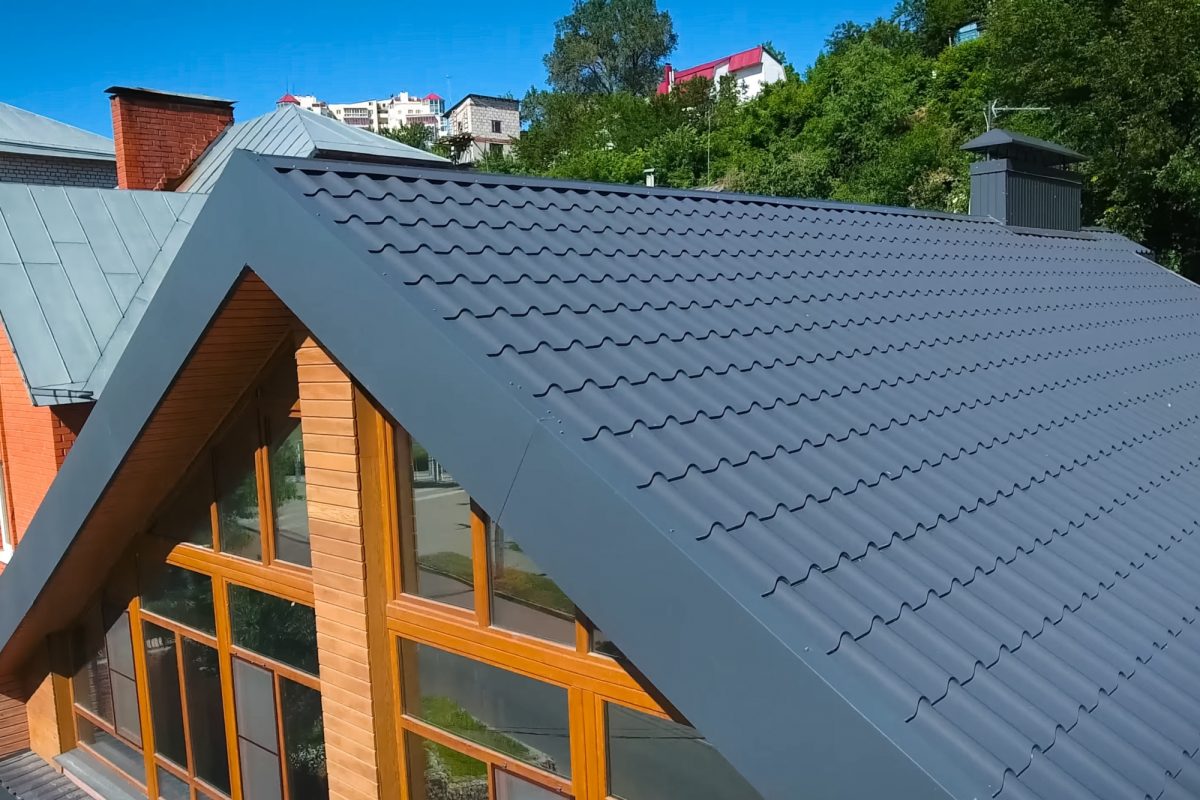
Because steel is non-combustible and durable, metal roofing and steel cladding systems are often preferred materials in these environments.
Why Metal Roofing Performs Well in Wildfire Zones
Metal roofing systems have several characteristics that make them effective in wildfire-prone regions.
Non-combustible material
Steel roofing panels will not ignite when exposed to embers or radiant heat.
Ember resistance
Properly installed metal roofing systems can reduce the ability for embers to lodge and ignite a structure.
Durability in harsh climates
Mountain environments expose buildings to intense UV exposure, snow loads, and temperature swings—conditions where coated steel performs well.
Organizations such as the National Fire Protection Association emphasize the importance of fire-resistant building materials as a key component of wildfire mitigation.
What This Means for Metal Manufacturers
As WUI codes expand, many manufacturers producing roofing and siding systems are seeing increased demand for steel-based construction materials.
For roll formers and panel manufacturers, this shift creates several operational considerations:
- Reliable access to painted and coated steel coils
- Consistent coating performance for long-term durability
- Stable supply chains that can support production increases
Manufacturers operating in the Mountain West rely on coated steel suppliers capable of maintaining consistent inventory and delivery schedules.
When project timelines are tight, supply reliability becomes a major competitive advantage.
The Importance of a Strong Metal Distribution Partner
For manufacturers producing construction products, the relationship with a metal distribution partner is critical.
The right supplier provides more than material—they provide:
- Deep coated coil inventory
- Market insight during volatile steel cycles
- Reliable logistics
- Prompt customer service
- Precision processing capabilities
At Mill Steel Company, we support manufacturers across North America with painted and coated steel coil inventory used in construction applications.
As demand for building with steel continues to grow across Colorado and the Mountain West, we’re committed to helping our customers maintain the supply consistency their production operations depend on.
Request a quote or contact us today to discuss your metal needs.
Additional Resources
If you’re evaluating coated steel for construction applications, these resources may also be helpful: