Understanding Common Steel Coil Defects in Painted and Coated Material
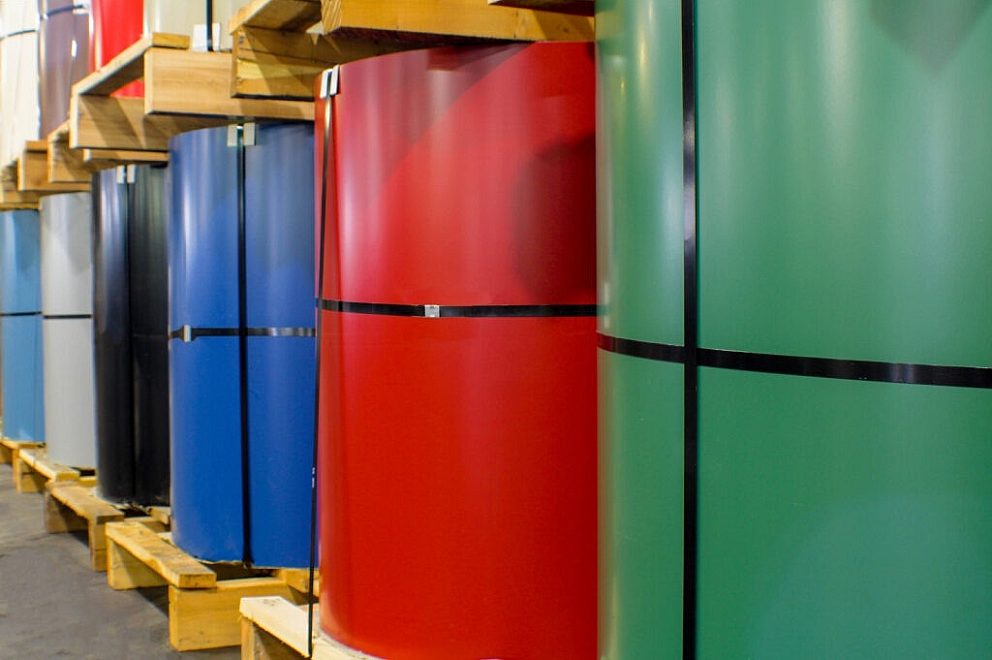
Steel coils play a pivotal role across a range of industries—from construction and HVAC to appliance manufacturing and beyond. When working with pre-painted and coated coils, surface quality is especially important, as visual appeal and long-term performance are often closely tied to finish integrity.
At Mill Steel Company, we take pride in supplying premium, defect-free steel products. However, understanding potential imperfections can help you identify issues quickly and make informed decisions on the job site.
1. Oil Canning
What is it: Oil canning appears as waviness or buckling in the flat surfaces of metal panels, especially visible under reflective lighting.
Causes:
- Stresses from manufacturing or coil slitting
- Uneven fastener spacing during installation
- Thermal expansion and contraction
Impact: Primarily cosmetic. While not a structural defect, it can affect appearance in architectural settings.
2. Paint Cracking or Flaking
What is it: Fractures or delamination in the paint layer, especially near bends or sharp edges.
Causes:
- Improper bend radius during forming
- Incompatible paint system for the forming method
- Exposure to extreme environmental conditions
Impact: May lead to substrate exposure and corrosion if left unaddressed.
3. Edge Wave
What is it: A flatness issue where the coil edges are wavy, often resulting in challenges during forming.
Causes:
- Uneven rolling or tension during production
- Inconsistent cooling across the strip width
Impact: Can affect downstream panel fabrication, especially with tight-tolerance applications.
4. Coil Coating Delamination
What is it: Peeling or lifting of the paint or coating layer from the metal substrate.
Causes:
- Improper cleaning or surface prep before coating
- Moisture intrusion during storage
- Incompatible coating system
Impact: Loss of protective properties and compromised appearance.
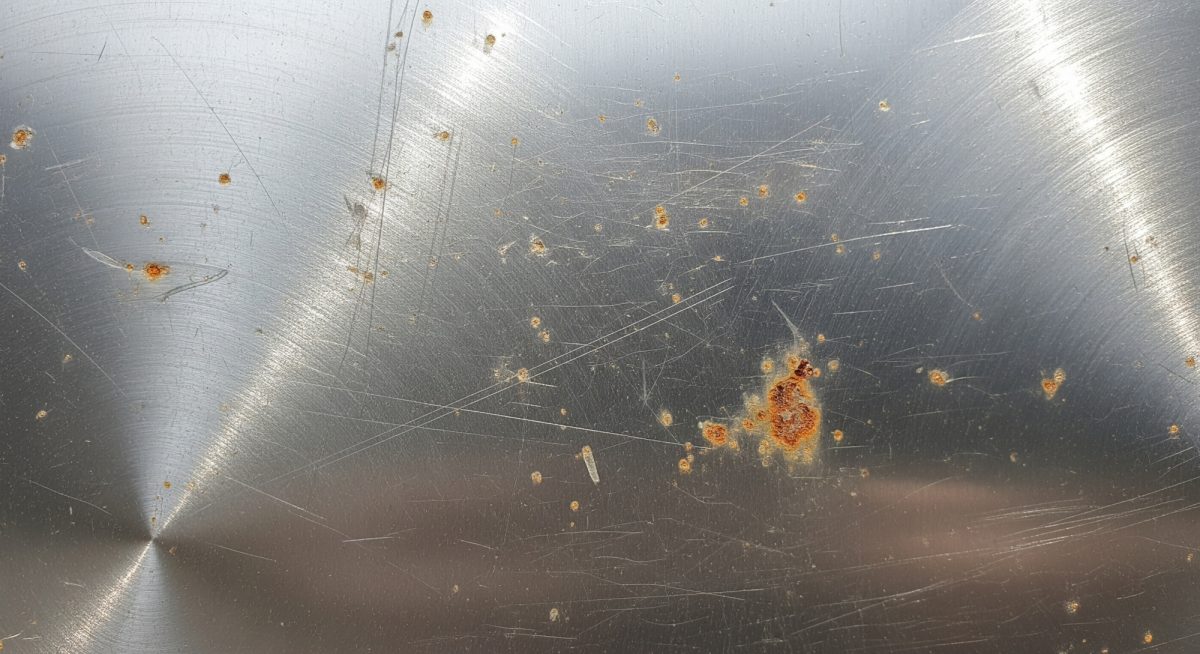
5. Scratches and Scuffs
What is it: Surface abrasions caused during handling, storage, or transport.
Causes:
- Mechanical damage
- Dirty rollers or tools
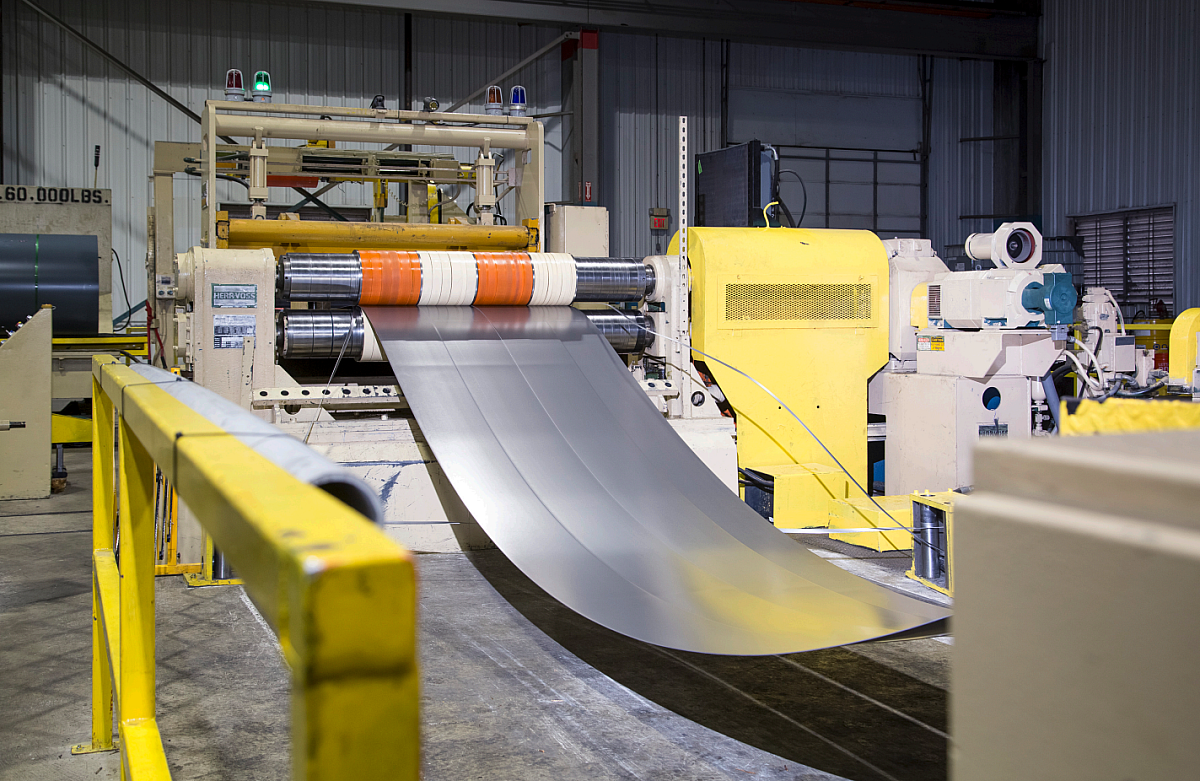
- Friction during slitting, uncoiling, or transit
Impact: Primarily cosmetic; however, deeper marks can expose base metal and lead to rust.
6. Pinholes
What is it: Tiny holes or voids in the coating that can expose the metal substrate.
Causes:
- Contaminants like oil or moisture during coating
- Inadequate film thickness
- Incomplete curing or surface preparation
Impact: May lead to localized corrosion over time.
7. Blistering
What is it: Raised areas or bubbles on the coil surface, typically under the coating layer.
Causes:
- Entrapped moisture or contaminants
- Improper curing or coating adhesion
- Excessive heat during baking
Impact: Compromises appearance and can reduce corrosion protection.
8. Staining or Discoloration
What is it: Unintended marks, spots, or color variations on coated material.
Causes:
- Water or chemical exposure during transit
- Coil stacking or poor packaging
- Reaction to incompatible storage materials
Impact: Usually cosmetic, but may signal deeper issues if caused by corrosion or chemical breakdown.
Download a Full Industry Defect Guide
For a complete reference to painted and coated coil surface issues, download this comprehensive guide from the National Coil Coating Association:
🔗 Visual Guide to Coil Coating Defects (PDF)
This free resource covers dozens of potential issues with images and descriptions – perfect for quality teams, architects, and contractors.
What Mill Steel Does to Prevent Surface Defects
Mill Steel takes proactive steps to help customers avoid defects:
- Strict quality assurance processes
- Best-in-class packaging and handling practices
- Coatings engineered for real-world durability
- Technical support and education
With Mill Steel, you're not just getting material—you’re getting peace of mind.
Final Thoughts
Surface defects in steel coils can impact both aesthetics and long-term performance. By understanding the causes and effects, you can take proactive steps during specification, handling, and installation to ensure the best possible results.
When quality, consistency, and support matter, Mill Steel is your trusted partner in supply.
Contact us today to speak with a painted steel expert or our Quality Team if you have a specific inquiry.