Aluminum Sheet Metal 101: What to Know Before You Buy

When sourcing aluminum sheet metal for your project, understanding what you need can save you time, money, and frustration. As a trusted aluminum sheet supplier near you, Mill Steel Company is here to help you cut through the confusion.
Below, we break down the essential considerations: alloy types and tempers, strength-to-weight ratios, corrosion resistance, and how to choose the right sheet for your application.
Understanding Alloy Types and Temper Designations
One of the first things you’ll encounter when reviewing aluminum sheet metal specs is the alloy number and temper designation.
Common Alloys You’ll See:
- 3003: General-purpose alloy with good workability and moderate strength. Ideal for panels, signs, and HVAC applications.
- 5052: Excellent corrosion resistance, higher strength than 3003, commonly used in marine environments and fuel tanks.
- 6061: Strong structural alloy with excellent machinability, popular for frames and welded assemblies.
Temper Designations (How it’s Processed):
- H14: Strain-hardened to half-hard condition (common for 3003).
- H32: Partially strain-hardened and stabilized.
- T6: Solution heat-treated and artificially aged (most common for 6061).
When comparing grades, always confirm both alloy and temper—they dramatically affect performance and cost.
Strength vs. Weight: The Balancing Act
Aluminum is prized for its exceptional strength-to-weight ratio. For example, 6061-T6 aluminum sheet has a tensile strength around 42,000 psi and weighs roughly a third as much as steel. This balance makes it a favorite in aerospace, automotive, and structural applications.
When sourcing material, consider:
· Load requirements—structural vs. decorative
· Gauge/thickness—thicker gauges add weight and cost
· Fabrication method—bending, welding, or machining
If you need guidance selecting the optimal gauge, our metallurgists can provide material recommendations tailored to your project load demands.
Corrosion Resistance Explained
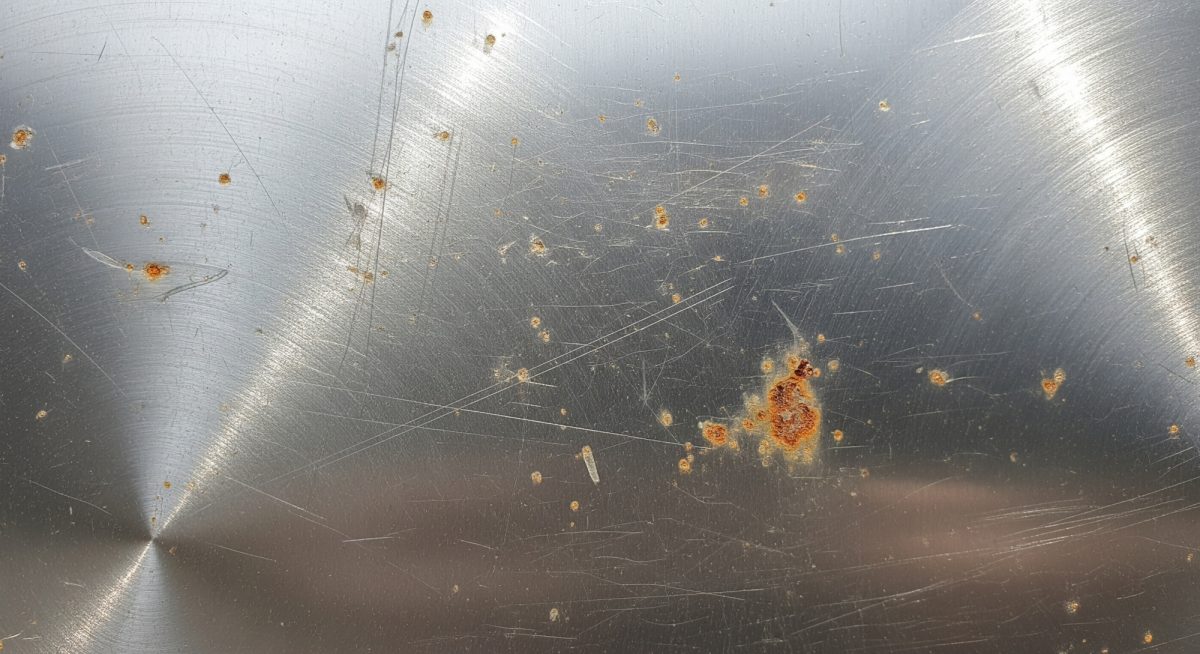
Aluminum naturally forms a thin oxide layer, giving it excellent corrosion resistance—but alloy selection matters:
- 3003: Good general corrosion resistance but not suited to saltwater exposure.
- 5052: Outstanding resistance to marine environments.
- 6061: Good corrosion resistance but may require protective coatings in aggressive conditions.
Even corrosion-resistant aluminum benefits from anodizing or protective finishes, especially for outdoor use. Powder coating and painting are both popular options.
How to Choose the Right Aluminum Sheet Metal
Here are 5 questions to ask before placing your order with an aluminum supplier near you:
- What’s the application?
- Which alloy and temper are appropriate?
- What gauge meets strength requirements without over-specifying?
- Are corrosion or finishing treatments needed?
- Does the supplier provide mill certifications and traceability?
Ready to Buy Aluminum Sheet Metal?
Whether you’re fabricating enclosures, panels, or structural components, choosing the right material is essential. As a leading aluminum sheet supplier near you, Mill Steel Company has the inventory and expertise to help you move forward with confidence.
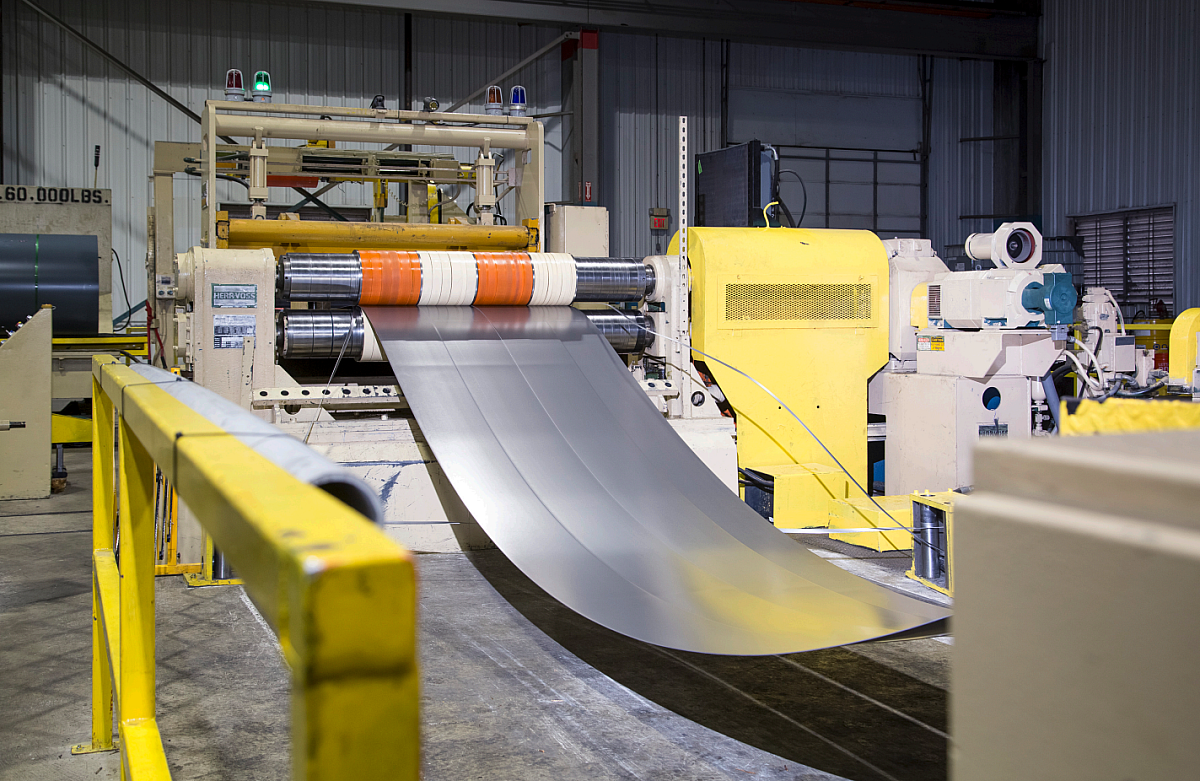
We stock a wide range of aluminum sheets and offer cut-to-length processing, fast delivery, and expert support to ensure you get exactly what you need—on time.
Explore our aluminum products or request a quote today!