8 Painted & Coated Metal Trends From Our METALCON & WRE Survey
Short answer: In a 2026 survey of 93 metal construction professionals at METALCON and the Western Roofing Expo, material availability, lead times, and pricing were the top sourcing challenges, each ranked in the top three by roughly three out of four respondents. Beyond supply and cost, the clearest demand signals were darker colors, a wider range of custom and specialty colors, and textured, matte, wood-look, and printed finishes. Looking two to three years out, respondents expect cost pressures and technology, especially AI, to have the biggest impact on the industry.
The painted and coated metals industry is entering a new phase. Price remains a critical factor in purchasing decisions, but it is no longer the only one. To understand where the market is headed, we asked attendees at two of the industry’s major trade shows what they are struggling with, what their customers are asking for, and what they think will change next. Their answers point to eight trends that manufacturers, distributors, roll formers, and contractors should be watching.
Key Findings at a Glance
- About 3 in 4 respondents ranked material availability (78%), lead times (77%), and pricing (76%) among their top three sourcing challenges.
- Nearly half (44%) named those exact three as their top three, ahead of color matching (26%), product quality and consistency (22%), and finding the right material (18%).
- About 1 in 3 said customers are asking for lower prices, discounts, price matching, or better payment terms more often than a year ago.
- About 1 in 5 specifically cited textured, matte, crinkle, wood-look, metallic, or printed finishes as increasing in demand.
- About 3 in 10 expect technology or automation to have the biggest impact over the next two to three years, many citing AI specifically.
1. Availability, Lead Times, and Price Are a Three-Way Tie at the Top
Material availability, lead times, and pricing are the three biggest challenges in sourcing painted and coated steel and aluminum today, and no other issue comes close. We asked respondents to rank seven common sourcing challenges and here are the numbers.
| Sourcing Challenge | Ranked In Top Three | Ranked #1 |
|---|---|---|
| Material Availability | 78% | 33% |
| Lead Times | 77% | 24% |
| Pricing | 76% | 32% |
| Color Matching | 26% | 3% |
| Product Quality / Consistency | 22% | 3% |
| Finding the Right Material | 18% | 4% |
The race for the single biggest challenge was close: availability and pricing were each ranked first by about a third of respondents, and lead times by about a quarter. In other words, the industry is split almost evenly between buyers whose biggest headache is cost and buyers whose biggest headache is getting material on time.
Key Insight
Two of the top three challenges are about supply, not price. Suppliers that can reliably source steel are solving the problem most respondents care about most.
2. Buyers Want Lower Prices, and Prices They Can Count On
About one in three respondents said customers are asking for lower prices, discounts, price matching, or better payment terms more often than they were a year ago. But the responses also show that buyers want more than the lowest number on a quote. They want certainty.
Respondents described customers asking for:
- Lower prices and discounts
- Price holds that match the timeline of a bid (“How long can you hold the price?”)
- Pricing visibility as projects get pushed further out
- Extended payment terms and inventory programs
- Price matching against competing quotes
Cost pressure is also shaping what gets built. Several respondents said customers are value engineering more often, and one described price-conscious roofers moving from hidden-fastener standing seam toward exposed-fastener systems. Others worry that rising prices across the board will push customers toward cheaper materials.
Key Insight
In a volatile market, dependable pricing can be as valuable as low pricing. Companies that help customers reduce uncertainty may gain a stronger advantage than those competing on price alone.
3. Speed and Responsiveness Have Become the Baseline
Without being prompted, about one in five respondents cited faster delivery, shorter lead times, quicker quote responses, or reliable inventory as something customers increasingly expect. Some of the most common requests were also the shortest: “How soon can we get delivery?” and “Do you have inventory?”
Respondents also described customers who are more willing to shop around. As one supply chain manager put it:
“Previously, it was not common practice for our customer to ‘shop around’ for each order.”
Expectations are rising alongside prices. One respondent noted that as prices increase and more options become available, customers expect higher quality and better service to come with them.
Key Insight
Responsiveness is no longer a service perk. For many buyers, it is part of the product, and slow answers can cost the order.
4. Dark Colors Lead, But the Palette Is Widening
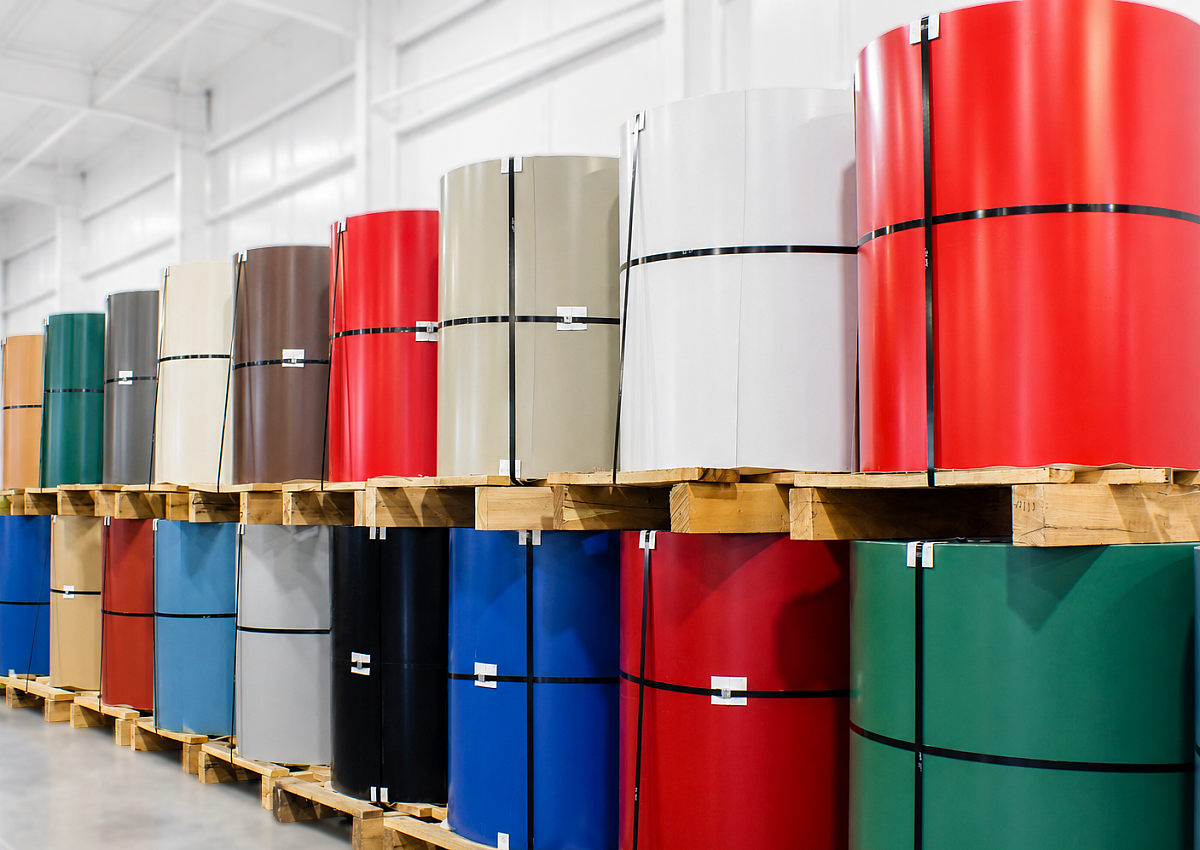
Dark colors remain the most frequently named color trend, but demand is broadening toward custom, specialty, and more varied colors. About one in ten respondents volunteered black, dark bronze, or darker colors as a trend, with comments like “Everyone wants black.” About one in five said customers want special, custom, or simply more color options, including metallic colors and colors outside what suppliers typically stock.
Not every signal points the same way. One respondent sees the pendulum swinging away from black and white toward browns and greens, and another reported customers moving toward fewer “exotic” colors. Several also noted a broader shift from bare Galvalume toward painted products.
Consistency matters as much as variety. Color matching made the top-three challenge list for about one in four respondents.
Key Insight
The market is shifting from a short list of standard colors toward a broader palette. Suppliers that can offer more colors and match them consistently across runs will be best positioned.
5. Textured, Matte, Wood-Look, and Printed Finishes Are Gaining, With a Price Caveat
About one in five respondents mentioned specialty finishes as something customers want more of, making them one of the most frequently cited product trends in the survey. Finishes named included:
- Textured coatings
- Matte and low-gloss finishes
- Crinkle finishes
- Wood-grain and wood-look prints
- Printed patterns, including printed board and batten
- Metallic finishes
Much of the appeal is achieving the look of traditional materials with the durability of coated metal. One architect described demand for faux finishes such as batten, horizontal wood siding, and cedar shake: “anything that can make it look more old fashioned but with metal level maintenance.”
The caveat is price. One respondent said textured and printed options are generating more interest but prices are holding some buyers back, another asked for a more cost-effective wood-print solution, and a supply chain manager offered this reality check:
“Everyone talks prints, but they still don’t move like the standard colors or some crinkle colors.”
Key Insight
Value-added finishes are moving from niche toward mainstream, but price point will determine how fast. Specialty finishes that stay within reach of a standard project budget have the most room to grow.
6. Technology and AI Rank Just Behind Cost as the Next Big Disruptor
When asked what will have the biggest impact on the industry over the next two to three years, about a third of respondents pointed to prices, costs, or the economy, and about three in ten pointed to technology or automation. About one in six named AI specifically.
Respondents described AI and technology being used for:
- Anticipating supply constraints and price increases before they hit
- Product ordering and order processing
- Customer education
- Takeoff and estimating software
- Logistics automation
Not all of the commentary was enthusiastic. One architect cautioned that AI-generated designs can produce attractive visuals without considering whether the materials will actually work, leaving builders to figure out how to deliver what the client saw.
Key Insight
The question is no longer whether AI will affect the coated metals supply chain, but where it creates the most value. Early signals point to forecasting, ordering, and estimating.
7. Metal Is Gaining Ground, and Performance Is Why
Respondents see metal winning projects that once went to other materials, driven by durability, insurance and code changes, and performance in harsh environments. They described metal displacing asphalt shingles, tile, lumber, and, on some larger bids, aluminum composite material (ACM).
Performance themes that came up included:
- Corrosion and rust resistance in coastal environments, with painted steel being warranted closer to the coastline
- Wildfire resistance and wildland-urban interface (WUI) requirements, especially among Western Roofing Expo respondents
- Fire-rated systems
- Solar-reflective and energy-efficient coatings, and ways to meet energy codes
- Longer service life and lower maintenance
- Insurance and HOA changes that allow more metal roofing
Durability and performance were mentioned by about one in ten respondents, fewer than color or finish trends. Sustainability came up by name only rarely. Respondents framed the value of metal mainly in terms of service life, resilience, and lower maintenance.
Key Insights
The strongest case for coated metal is long-term performance. Buyers respond to durability they can measure, such as coastal warranties, fire ratings, and energy code compliance.
8. Labor Constraints Are Changing How Metal Gets Installed
A smaller but consistent group of respondents named labor as a major challenge ahead, including a shortage of skilled installers, the difficulty of proper installation with unskilled crews, and the loss of experience as industry veterans retire. As one purchasing manager put it:
“A lot of talent, knowledge and experience are aging and retiring from our industry.”
Respondents also pointed to responses already underway, including:
- Installation-friendly product designs
- Prefabricated metal systems
- On-site and portable rollforming, with more contractors buying their own equipment
- Better machinery that requires less labor
- Faster, more efficient estimating tools
Key Insight
Products and services that save labor may become as valuable as products that save money.
Frequently Asked Questions
What are the biggest challenges in sourcing painted and coated steel and aluminum?
In our survey of 93 industry professionals, material availability (78%), lead times (77%), and pricing (76%) were each ranked among the top three sourcing challenges by roughly three out of four respondents. Color matching, product quality, and finding the right material trailed well behind.
What colors are trending for metal roofing and wall panels?
Black, dark bronze, and other dark colors are the most frequently named color trend. Demand is also growing for custom and specialty colors, metallic colors, and a wider palette overall, along with consistent color matching from batch to batch.
Are textured and wood-grain metal finishes becoming more popular?
Yes. About one in five respondents said customers are asking for more textured, matte, crinkle, wood-look, metallic, or printed finishes. However, several noted that price is still holding some buyers back and that prints do not yet sell at the volume of standard colors.
How will AI affect the painted and coated metals industry?
About one in six respondents named AI as the biggest change coming in the next two to three years. They expect it to help with forecasting supply and price changes, ordering, order processing, customer education, and estimating.
What will have the biggest impact on the metal construction industry in the next two to three years?
Respondents most often cited cost-related factors, including material prices, the economy, tariffs, and fuel costs. Technology and automation, including AI, came next, followed by supply availability, labor, and insurance and building code changes.
About This Survey
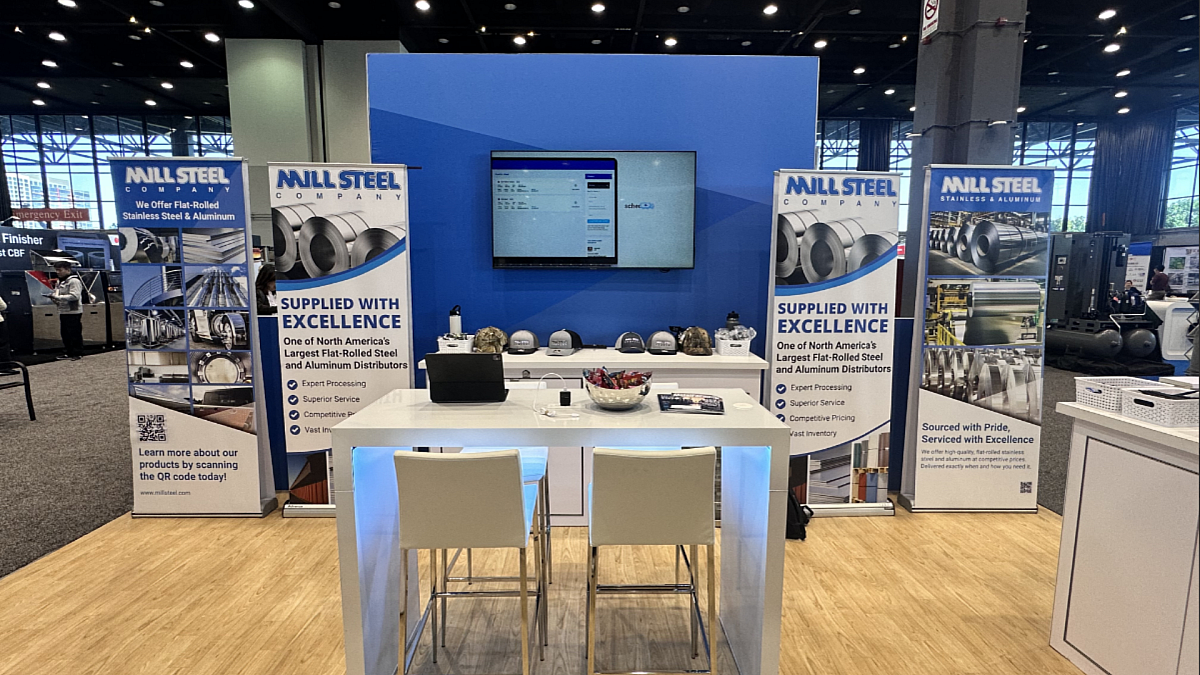
Mill Steel surveyed attendees at METALCON and the Western Roofing Expo between late August and early October 2026. We received 93 unique respondents. Respondents included business owners and executives, sales and business development professionals, purchasing and supply chain managers, estimators, production and operations staff, architects, and contractors.
The survey asked respondents to rank seven sourcing challenges and answer three open-ended questions about customer demand, market trends, and the biggest expected changes over the next two to three years. We grouped open-ended answers into themes; a single response can appear in more than one theme, and percentages are rounded.
This is a pulse survey of trade show attendees rather than a statistically representative sample of the industry, and the findings should be read as directional.
Looking Ahead
The painted and coated metals market is evolving beyond traditional measures of cost and availability, but our survey is a reminder that those fundamentals still come first. Several themes stand out:
- Availability, lead times, and price remain the top sourcing challenges.
- Buyers want price certainty as much as lower prices.
- Speed and responsiveness are now baseline expectations.
- Dark colors lead, but the color palette is widening.
- Specialty finishes are gaining traction, with price as the main barrier.
- Technology and AI are expected to be the next big disruptor after cost.
- Durability and performance are helping metal win share from other materials.
- Labor constraints are driving installation-friendly and prefabricated solutions.
Together, these trends point toward a marketplace that values partnership, expertise, and innovation as much as the products themselves. For organizations throughout the coated metals supply chain, success will increasingly depend on helping customers solve broader business challenges, not simply supplying material. The future of painted and coated metals is not just about what is being manufactured. It is about how suppliers enable customers to build, design, and operate more effectively in an increasingly demanding market.